

When that perfect zipline tour or ATV adventure gets headlines for all the wrong reasons, it leaves you wondering: how do you separate the truly dangerous operators from the safe ones? After 40+ cruises and witnessing the aftermath of several shore excursion incidents, I've developed a systematic approach to researching tour safety that goes way beyond reading TripAdvisor reviews.
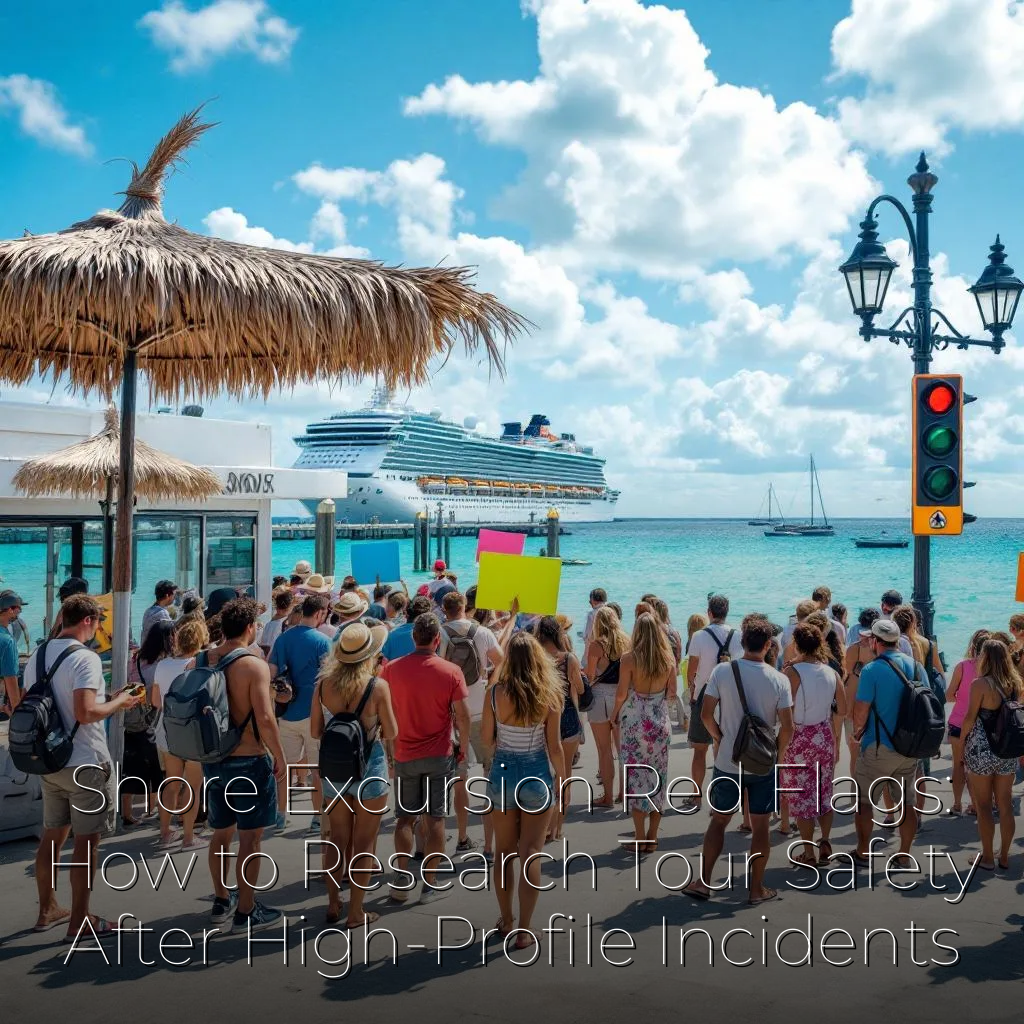
The reality is that shore excursion accidents happen – and when they do, they can derail not just your vacation, but your entire perspective on cruising. But here's what the cruise lines won't tell you: most incidents are preventable if you know what warning signs to look for.
I learned this lesson the hard way in Cozumel back on Carnival Vista. The zip line tour that looked amazing in the glossy brochure had equipment that hadn't been inspected in months. How did I find out? By asking the right questions – questions I wish I'd known to ask years earlier.
Here are the immediate red flags that should make you walk away:
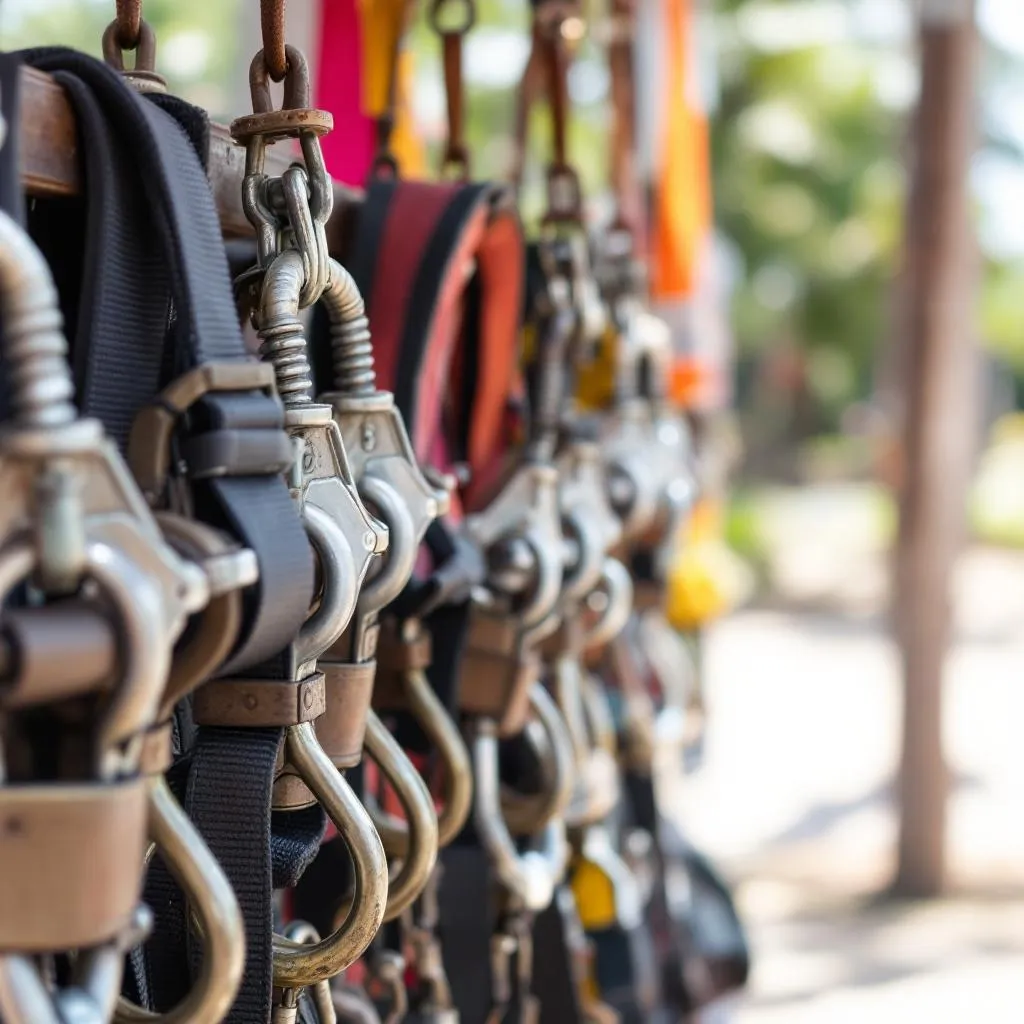
The tricky part? These red flags aren't always obvious until you're already there. That's why your research needs to happen before you step off the ship.
When a shore excursion makes headlines for an incident, I don't automatically cross it off my list. Instead, I dig deeper using this step-by-step process that's saved me from questionable operators in Jamaica, Mexico, and the Bahamas.
Step 1: Check Multiple Government Resources
Start with the U.S. State Department's country-specific safety reports, but don't stop there. The CDC's travel health notices often mention tour-related incidents that don't make mainstream news. I also check the local tourism board websites – they're surprisingly transparent about operator licensing issues.
Step 2: Cross-Reference Incident Reports
Google the tour operator's name plus terms like "accident," "incident," or "injury." But here's the insider tip: also search in the local language. When I was researching horseback tours in Costa Rica, the Spanish-language news sites revealed safety violations that never appeared in English-language reports.

Step 3: Verify Current Certifications
This is where most people give up, but it's the most crucial step. Contact the tour operator directly and ask for:
Legitimate operators will provide this information proudly. Sketchy ones will give you the runaround.
Here's something that might surprise you: booking through your cruise line doesn't guarantee safety. Norwegian, Royal Caribbean, Celebrity – they all use third-party contractors in ports, and their vetting process isn't as thorough as their marketing suggests.
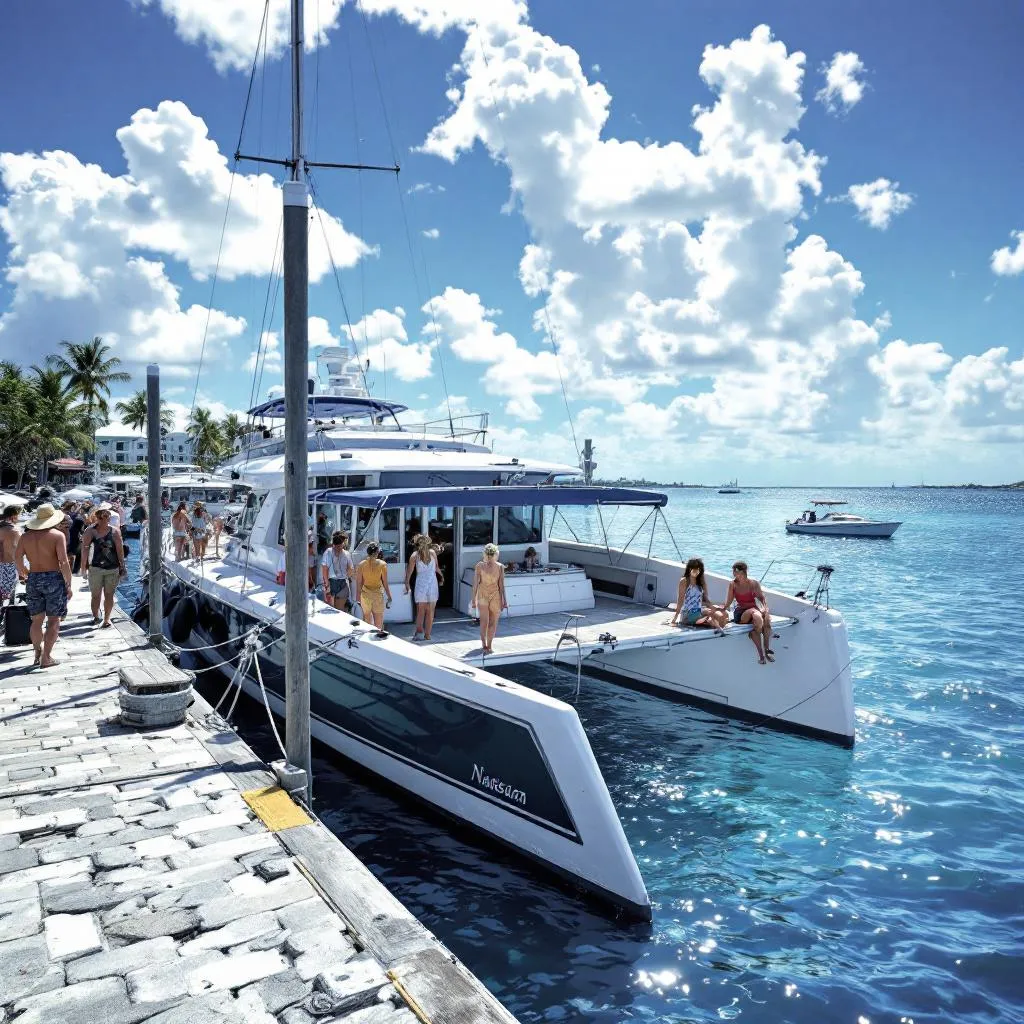
I witnessed this firsthand on Harmony of the Seas in Nassau. The "cruise line approved" catamaran excursion we booked had life jackets that didn't fit properly and a captain who was clearly intoxicated. The only advantage to booking through the cruise line? They'll hold the ship if your excursion runs late – but that's cold comfort if you're injured.
That said, cruise line excursions do offer some protections:
After years of testing both approaches, here's my decision framework:
Book through the cruise line when:
Book independently when:
I've been on three cruises where fellow passengers were injured on shore excursions – twice on "safe" beach breaks and once on a supposedly vetted snorkeling tour. Here's what I learned about the aftermath:
The cruise line's response varies dramatically depending on whether you booked through them or independently. If you booked independently and get hurt, you're largely on your own. Your travel insurance becomes critical, and medical evacuation from some Caribbean islands can cost $50,000+.
If you booked through the cruise line, they'll coordinate medical care and transportation, but don't expect them to cover all costs. Read the fine print in your cruise contract – their liability is more limited than most passengers realize.
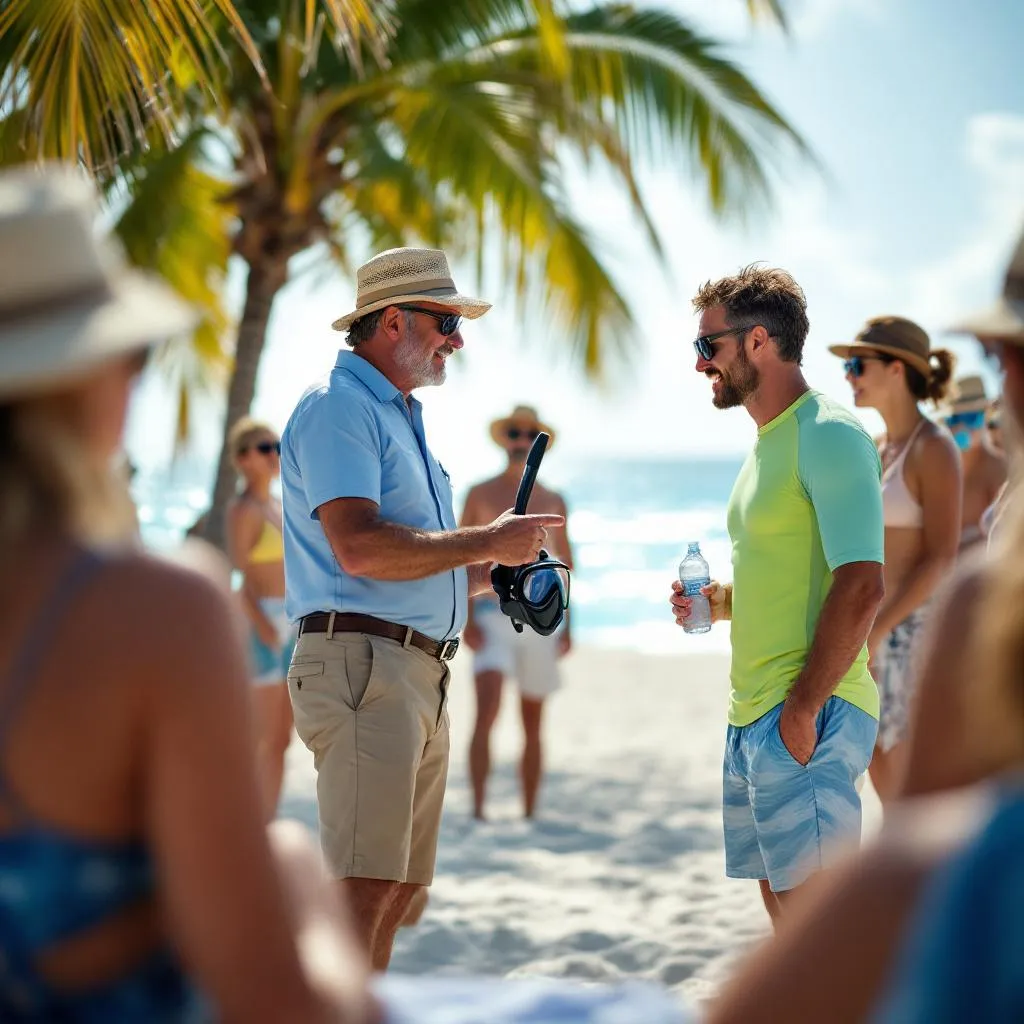
After testing dozens of research methods, these are the resources I actually use before every port:
Don't let fear of incidents stop you from exploring – just be smarter about how you choose your adventures. The difference between a magical shore excursion and a nightmare often comes down to 30 minutes of proper research.
Remember: no sunset photo or Instagram moment is worth compromising your safety. Trust your instincts, ask the hard questions, and don't be afraid to walk away if something doesn't feel right.
Want to share your own shore excursion research tips or ask questions about specific ports? Join our community discussion in the Shore Excursions forum – we're always sharing the latest safety intel and operator recommendations.
The reality is that shore excursion accidents happen – and when they do, they can derail not just your vacation, but your entire perspective on cruising. But here's what the cruise lines won't tell you: most incidents are preventable if you know what warning signs to look for.
The Red Flags That Scream "Skip This Tour"
I learned this lesson the hard way in Cozumel back on Carnival Vista. The zip line tour that looked amazing in the glossy brochure had equipment that hadn't been inspected in months. How did I find out? By asking the right questions – questions I wish I'd known to ask years earlier.
Here are the immediate red flags that should make you walk away:
- No visible insurance documentation – Legitimate operators display their liability coverage prominently
- Equipment that looks worn or makeshift – Frayed ropes, rusted carabiners, or patched-together harnesses
- Guides who can't answer basic safety questions – If they don't know their own protocols, run
- No safety briefing or a rushed one – Professional operators never skip this step
- Pressure to sign waivers immediately – You should always have time to read and understand what you're signing
The tricky part? These red flags aren't always obvious until you're already there. That's why your research needs to happen before you step off the ship.
My 48-Hour Research Protocol
When a shore excursion makes headlines for an incident, I don't automatically cross it off my list. Instead, I dig deeper using this step-by-step process that's saved me from questionable operators in Jamaica, Mexico, and the Bahamas.
Step 1: Check Multiple Government Resources
Start with the U.S. State Department's country-specific safety reports, but don't stop there. The CDC's travel health notices often mention tour-related incidents that don't make mainstream news. I also check the local tourism board websites – they're surprisingly transparent about operator licensing issues.
Step 2: Cross-Reference Incident Reports
Google the tour operator's name plus terms like "accident," "incident," or "injury." But here's the insider tip: also search in the local language. When I was researching horseback tours in Costa Rica, the Spanish-language news sites revealed safety violations that never appeared in English-language reports.
Step 3: Verify Current Certifications
This is where most people give up, but it's the most crucial step. Contact the tour operator directly and ask for:
- Current liability insurance certificate numbers
- Guide certification details and expiration dates
- Equipment inspection schedules and who performs them
- Their incident response protocol
Legitimate operators will provide this information proudly. Sketchy ones will give you the runaround.
The Cruise Line Excursion Myth
Here's something that might surprise you: booking through your cruise line doesn't guarantee safety. Norwegian, Royal Caribbean, Celebrity – they all use third-party contractors in ports, and their vetting process isn't as thorough as their marketing suggests.
I witnessed this firsthand on Harmony of the Seas in Nassau. The "cruise line approved" catamaran excursion we booked had life jackets that didn't fit properly and a captain who was clearly intoxicated. The only advantage to booking through the cruise line? They'll hold the ship if your excursion runs late – but that's cold comfort if you're injured.
That said, cruise line excursions do offer some protections:
- Guaranteed ship departure coordination
- Some level of insurance coverage (varies by cruise line)
- A complaint resolution process
- Regular operator evaluations (though less frequent than you'd hope)
When to Book Independent vs. Cruise Line Excursions
After years of testing both approaches, here's my decision framework:
Book through the cruise line when:
- You're visiting a port with known safety issues
- The activity is high-risk (zip lines, diving, helicopter tours)
- You're uncomfortable researching operators yourself
- Time coordination is critical
Book independently when:
- You've thoroughly researched the operator
- The activity is low-risk (city tours, beach visits)
- You want more flexibility and better prices
- You have experience with the port
Real Talk: When Incidents Happen
I've been on three cruises where fellow passengers were injured on shore excursions – twice on "safe" beach breaks and once on a supposedly vetted snorkeling tour. Here's what I learned about the aftermath:
The cruise line's response varies dramatically depending on whether you booked through them or independently. If you booked independently and get hurt, you're largely on your own. Your travel insurance becomes critical, and medical evacuation from some Caribbean islands can cost $50,000+.
If you booked through the cruise line, they'll coordinate medical care and transportation, but don't expect them to cover all costs. Read the fine print in your cruise contract – their liability is more limited than most passengers realize.
My Current Go-To Resources
After testing dozens of research methods, these are the resources I actually use before every port:
- CruiseCritic port forums – Real passenger experiences, updated regularly
- Local Facebook expat groups – Residents know which operators have ongoing issues
- Port authority websites – Official operator licensing and complaint records
- Travel insurance claim databases – Some insurers publish anonymized incident data
- Maritime incident reporting sites – For water-based excursions specifically
The Bottom Line on Shore Excursion Safety
Don't let fear of incidents stop you from exploring – just be smarter about how you choose your adventures. The difference between a magical shore excursion and a nightmare often comes down to 30 minutes of proper research.
Remember: no sunset photo or Instagram moment is worth compromising your safety. Trust your instincts, ask the hard questions, and don't be afraid to walk away if something doesn't feel right.
Want to share your own shore excursion research tips or ask questions about specific ports? Join our community discussion in the Shore Excursions forum – we're always sharing the latest safety intel and operator recommendations.
Last edited: