

River Cruises vs Ocean Cruises: Which One Is Right for You?
You've heard the buzz about river cruising, and you're wondering if it's time to trade the open ocean for a more intimate experience. After 40+ cruises—including several river voyages down the Danube, Rhine, and Mississippi—I can tell you that river cruising and ocean cruising are fundamentally different animals. Neither is "better," but one might be exactly what you're looking for.
Let me walk you through the real differences so you can decide which experience matches your travel style, budget, and what you actually want from a vacation.
Ship Size and Capacity: Intimacy vs. Grandeur
This is the biggest contrast you'll notice immediately.
Ocean cruise ships are massive. The newest Royal Caribbean Icon carries 5,600 passengers. Disney Wish holds 4,000. Even "smaller" ships like those from Seabourn still carry 600+ guests. You'll share pool decks, dining venues, theaters, and elevators with thousands of people. It's energetic, sometimes chaotic, but never quiet.
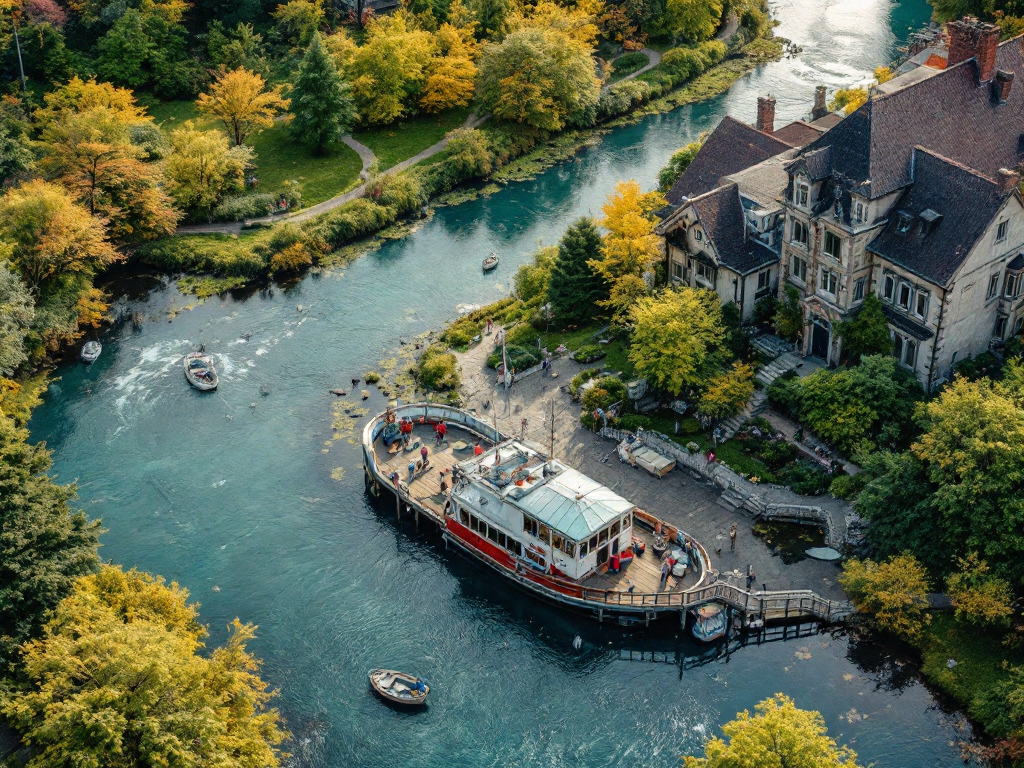
River ships? Completely different scale. A typical river cruise ship carries between 100 and 300 passengers. Some ultra-luxury operators like Uniworld or Seabourn River Cruises run ships with just 100-140 guests. That means you'll recognize faces, dining feels personal, and the ship itself becomes an intimate community rather than a floating city.
The trade-off: Ocean ships have sprawling pool decks, multiple dining venues, theaters with Broadway-caliber shows, and endless onboard activities. River ships offer a quiet library, elegant lounge, and maybe one restaurant. If you're looking for constant entertainment and activity, ocean cruising wins. If you want to actually talk to other travelers and have a peaceful evening, river cruising delivers.

Lesson I learned on the Rhine: On my first river cruise, I had coffee with the same couple three mornings in a row. By day four, we were planning shore excursions together. That doesn't happen on a 5,600-person ocean ship.
Destinations and Itineraries: Rivers vs. Open Water
Here's where river cruising shines—you get deep into destinations in ways ocean cruising simply can't.
Ocean cruises typically hit ports—you dock for 6-12 hours, take an excursion, maybe grab lunch, and return to the ship. You're experiencing destinations as a visitor in a port city. Caribbean cruises mean beaches and resort towns. Alaskan cruises show you glaciers and wildlife. Mediterranean cruises stop in Barcelona, Rome, Athens. These are incredible experiences, but they're port-based.
River cruises take you into the heart of regions. A 7-day Danube cruise from Budapest to Vienna means you're waking up in charming small towns, walking directly off the ship into medieval village centers, and staying overnight in places like Melk, Austria or Bratislava. You're not rushing—you have full days in each location. On my Danube cruise in 2024, we spent an entire day in Vienna with no formal excursion—just exploration. That's impossible on an ocean itinerary.
River destinations include:
- Europe: Danube (Hungary, Austria, Czech Republic), Rhine (Germany, France, Netherlands), Rhône (France), Thames (England)
- Asia: Mekong (Cambodia, Vietnam), Yangtze (China), Irrawaddy (Myanmar)
- North America: Mississippi River, Columbia River
- South America: Amazon
Ocean cruise destinations are broader—you can reach Caribbean, Hawaii, Alaska, Mediterranean, Australia, and beyond. But you're experiencing them differently.
The honest take: If you want to deeply explore a specific region and immerse yourself in local culture, choose river. If you want variety in destinations and multiple stops in different countries, ocean cruising wins.

Dining and Food Quality
Both offer excellent dining, but the approach differs significantly.
Ocean ships have multiple specialty restaurants. On Royal Caribbean Icon, you're choosing between Giovanni's Italian, Izumi Japanese, Wonderland (whimsical modern), American Icon Grill, and more. Main dining rotates menus nightly. There's always variety. If you eat dinner at the same restaurant twice on a 7-day cruise, it's your choice, not necessity.
River ships typically have one main dining venue where you eat most meals. That sounds limiting—and it can be—but here's what actually happens: You're dining with the same 100-150 people, so dinner becomes a social event. You make friends. The chef learns what you like. Seating is assigned, which feels formal at first but creates community. On my Uniworld river cruise, the head chef actually came to say goodbye on our final night because he'd gotten to know us.
Quality matters. Premium river cruise lines like Uniworld, Belmond, and Tauck include all meals and many beverages in their pricing. You're not spending $80+ per person for specialty dining. Ocean ships charge $15-40 per person for specialty restaurants, though main dining is included. River cruises also often include shore excursions and gratuities—ocean cruises charge extra for both.
Here's the real difference in per-day cost:
- Ocean cruise: $150-300/person/night for cruise only, then $100-200+ extra for specialty dining, excursions, beverages, and gratuities
- River cruise: $250-400/person/night for cruise, meals, excursions, and gratuities all-inclusive
When you account for what's included, river cruises often feel more economical—no hidden costs nickel-and-diming you.
Shore Excursions and Exploration
This is where your vacation lifestyle really shapes the choice.
Ocean cruising: You have 6-12 hours in port. You can book a $79-179 shore excursion through the cruise line (which takes time to depart and return), or you can independently explore. Many passengers skip excursions and just wander—which I do often. You're time-limited and responsible for getting back to the ship. Freedom is great, but pressure exists.
River cruising: Excursions are usually included in your cruise fare. The ship stays overnight or for 8+ hours, so you're not stressed about missing departure. You can join organized tours led by local guides, or stay behind for independent exploration. There's no time pressure. On my 10-day Rhine cruise, we had a guided walking tour in Cologne one morning, but I spent the afternoon solo exploring back streets. Zero stress about the ship leaving.
The key advantage of river: The ship becomes your home base, and you have unhurried access to authentic experiences. You're not eating rushed "lunch between shore excursions." You're living in a destination.
Cost Breakdown: What You Actually Pay
Let me give you real 2026 numbers based on current pricing:
7-day Ocean Cruise (Caribbean):
- Cruise fare: $700-1,200 per person (with current promotions)
- Specialty dining: $150-300 (if you dine specialty restaurants 3-4 nights)
- Excursions: $300-500 (typical: 2-3 excursions at $80-150 each)
- Beverages: $75-150 (if you purchase beyond included water/coffee)
- Gratuities: $126 per person (automatically added, $18/day)
- Miscellaneous (casino, activities, tips): $100-200
Total per person: $1,450-2,550
7-day River Cruise (Danube or Rhine):
- Cruise fare: $1,800-2,800 per person (includes meals, most excursions, gratuities)
- Beverages: $100-200 (wine with meals, premium spirits)
- Miscellaneous: $50-100
Total per person: $1,950-3,100
The ocean cruise looks cheaper on the surface, but when you add everything, costs are comparable. River cruises feel better value because everything is included upfront—no hidden charges during your vacation.
Activities and Entertainment Onboard
Ocean ships blow river ships away here.
You'll find rope courses, water slides, mini golf, theaters with Broadway-style productions, trivia competitions, cooking classes, comedy shows, casinos, and 10+ bars and lounges. If you're using the ship as your destination and want constant entertainment, ocean cruising is superior.
River ships offer elegant lounges, live music, lectures about destinations (genuinely valuable), wine tastings, and sometimes cooking demonstrations. Onboard entertainment is refined but minimal. Your entertainment is the destination, not the ship.
If you travel with teenagers or young kids who need constant activity, ocean ships are essential. If you're a couple or mature traveler seeking relaxation, river ships feel more intentional.
Seasickness and Comfort at Sea
Here's a practical reality: River cruising is gentler on your body.
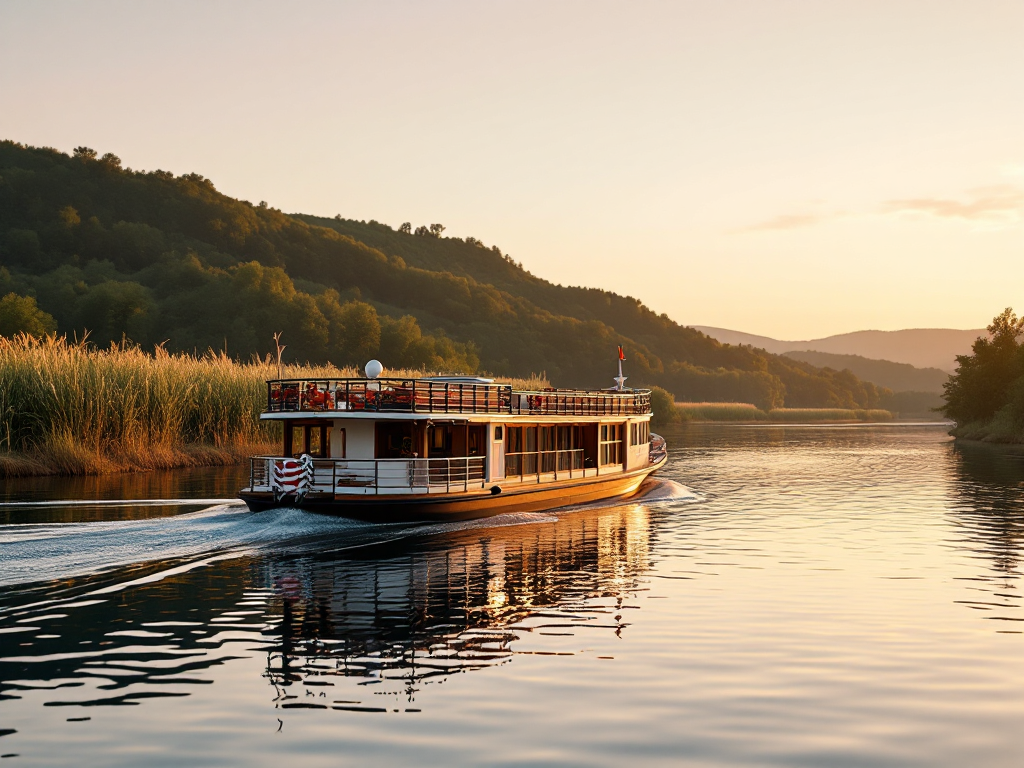
River ships navigate inland waterways—rivers, canals, lakes. You rarely feel the ship move. If you're prone to seasickness, river cruising is dramatically better.
Ocean ships, even massive stabilized ones, encounter waves and swell. You'll notice motion, especially in rough seas. Caribbean cruises are generally calmer, but Atlantic Ocean or Alaska cruises can be choppy. On my recent Alaska cruise, we hit rough seas between ports—several passengers got seasick despite taking medication.
For anyone nervous about seasickness, this alone might justify choosing river cruising.
Weather and Seasonal Considerations
Ocean cruises run year-round to various destinations. Caribbean operates winter-spring; Alaska runs May-September; Mediterranean operates spring-fall. You have flexibility in when you cruise.
River cruises are highly seasonal. European rivers operate April-October (peak May-September). Water levels matter. Too low and ships can't navigate; too high and bridges can't clear. This severely limits availability. If you want an August river cruise, you'll pay premium prices and find limited cabins.
Ocean cruising gives you more scheduling flexibility.
Accessibility and Physical Demands
If you have mobility concerns, this matters:
Ocean ships are designed with elevators, accessible cabins, and level walkways throughout. Modern ships are very accessible.
River ships have serious limitations. River ship cabins are tiny (often 100-150 sq ft vs. 175+ on ocean ships). Bathrooms are cramped. Stairs connect decks rather than elevators on some smaller ships. Docking procedures sometimes require walking across gangways that aren't fully level. One of my friends with a cane found river cruising physically demanding, while ocean cruising felt manageable.
If you have mobility issues, discuss with the river cruise line directly. Some newer river ships (Uniworld, Seabourn) have better accessibility, but you'll still sacrifice space.
Which Should You Choose?
Choose OCEAN cruising if:
- You want variety in destinations and don't want to spend 7 days in one region
- You enjoy constant onboard entertainment and activity
- You travel with young kids or teenagers
- You're budget-conscious (lower upfront cost)
- You have mobility concerns
- You want scheduling flexibility
- You like the idea of a floating resort with every amenity
Choose RIVER cruising if:
- You want deep immersion in a specific region
- You value authentic cultural experiences over onboard entertainment
- You want everything included upfront (meals, excursions, gratuities)
- You're prone to seasickness or prefer smooth sailing
- You prefer intimate communities over crowds
- You're traveling as a couple or with mature travelers
- You have time to explore destinations thoroughly
My Personal Take
After 40+ cruises split between ocean and river, here's what I think: Don't choose one for life—experience both. They're not competing vacations; they're different vacations.
Ocean cruising is perfect for Caribbean beach getaways, family adventures, and when you want variety. River cruising is perfect for Europe exploration, cultural immersion, and peaceful relaxation.
If I could only do one? That depends on the year. Some years I want the energy and activity of an ocean ship. Other years I crave the quiet and authenticity of a river cruise.
The great news is that both are becoming more accessible, more diverse in destinations, and genuinely excellent vacation options. Your job is understanding which experience you're actually seeking—and choosing accordingly.
Ready to Explore Your Options?
Whether you're leaning toward your first river cruise or testing ocean cruising, the details matter. Connect with experienced cruisers who've sailed both, ask real questions, and hear from people who've lived the experience. Share your questions and learn from others exploring the same choice in our global destinations forum—you'll find river and ocean cruisers sharing honest insights.