

Ravenna: The Hidden Gem of the Adriatic
If your 2026 Mediterranean itinerary includes Ravenna, you've hit the cruise jackpot. This port on Italy's northeast coast is one of Europe's best-kept secrets, and honestly, most cruisers don't realize what they're missing. I've been through Ravenna three times in the past five years, and each visit taught me something new about this Byzantine jewel.
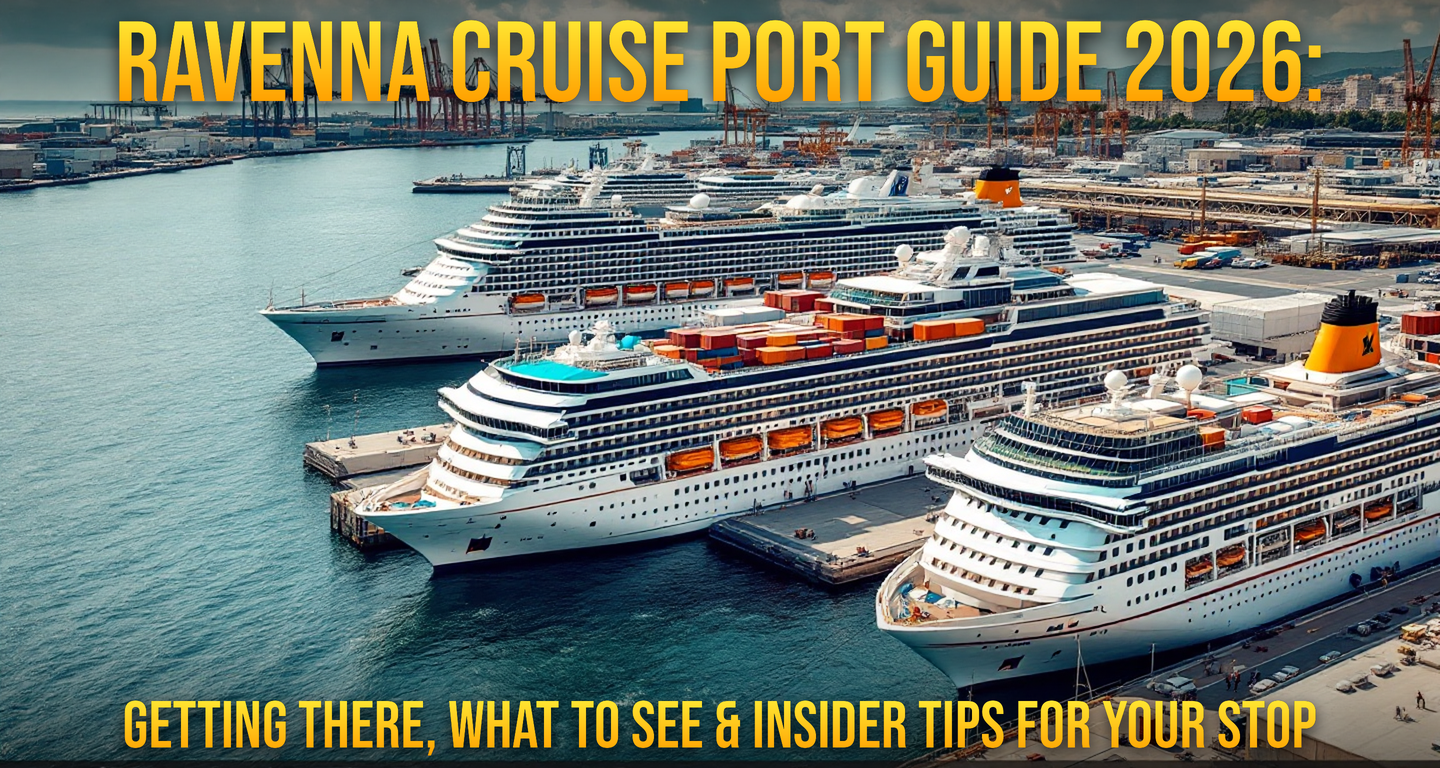
Ravenna isn't a massive cruise hub like Barcelona or Venice—your ship will likely dock at Porto di Ravenna, about 11 kilometers from the city center. That's both good and bad. Good because it means fewer crowds and more authentic experiences. Bad because you'll need to plan your transportation carefully to make the most of your time.
Let me walk you through exactly how to get there, what you actually have time to do in a typical 8-10 hour port stop, and which experiences are worth your money.
Getting from the Ship to Ravenna City Center
Option 1: Ship-Organized Shore Excursion (Easiest, Not Cheapest)
Your cruise line will offer a shuttle bus transfer—usually around €20-30 per person round trip in 2026. The advantage? It's straightforward, timed perfectly for your ship's schedule, and you don't have to think about it. The disadvantage? You're paying for convenience, and the buses usually dump you at a central piazza rather than where you actually want to be.
I've done this exactly once, and while it worked, I felt rushed. Most ship excursions give you 4-5 hours in town, which sounds like enough until you're standing in line at the first basilica.
Option 2: Train (My Recommendation)
This is how I do it now, and it's genuinely the best value. From Porto di Ravenna, you'll take a shuttle bus (€2-3, or walk if you're patient—it takes 20 minutes) to Ravenna Central Station. From there, regional trains run constantly to the city center and surrounding areas.
Here's what you need to know:
- Frequency: Trains leave every 15-30 minutes during the day
- Cost: Single tickets are €1.50-2.50 depending on distance
- Journey time: 10-15 minutes to reach the historic center
- Tickets: Buy at the station kiosk or from the machine—no app needed (though Trenitalia app works if you want to plan ahead)
- Return timing: Last train back is usually around 9-10 PM, but always verify this with your ship. Missing the last train back means a €40+ taxi ride
Option 3: Taxi or Rideshare (Convenient But Pricey)
Taxis from the port to city center run about €25-35, depending on negotiation. I've only done this when traveling with someone elderly or when it was pouring rain. For a single person or couple, the train is genuinely better value.
Uber and Bolt do operate in Ravenna 2026, but neither is as cheap as the train, and neither is particularly reliable during peak cruise ship hours. I'd skip this unless you're in a hurry.
Option 4: Organized Independent Tour (Hybrid Approach)
Several local operators offer guided tours that pick you up from the port, spend 5-6 hours exploring, and return you to the ship. These typically cost €60-90 per person. If you're nervous about navigation or want someone to tell you the stories behind what you're seeing, this is solid value. Check the CruiseVoices Europe ports forum for recent recommendations from cruisers who've done these tours.
What You Actually Have Time to See
Let's be real: you probably have 8-10 hours in port, minus travel time. That gives you 5-6 hours maximum in the city. Here's my tested itinerary:
The Essential 5-Hour Experience
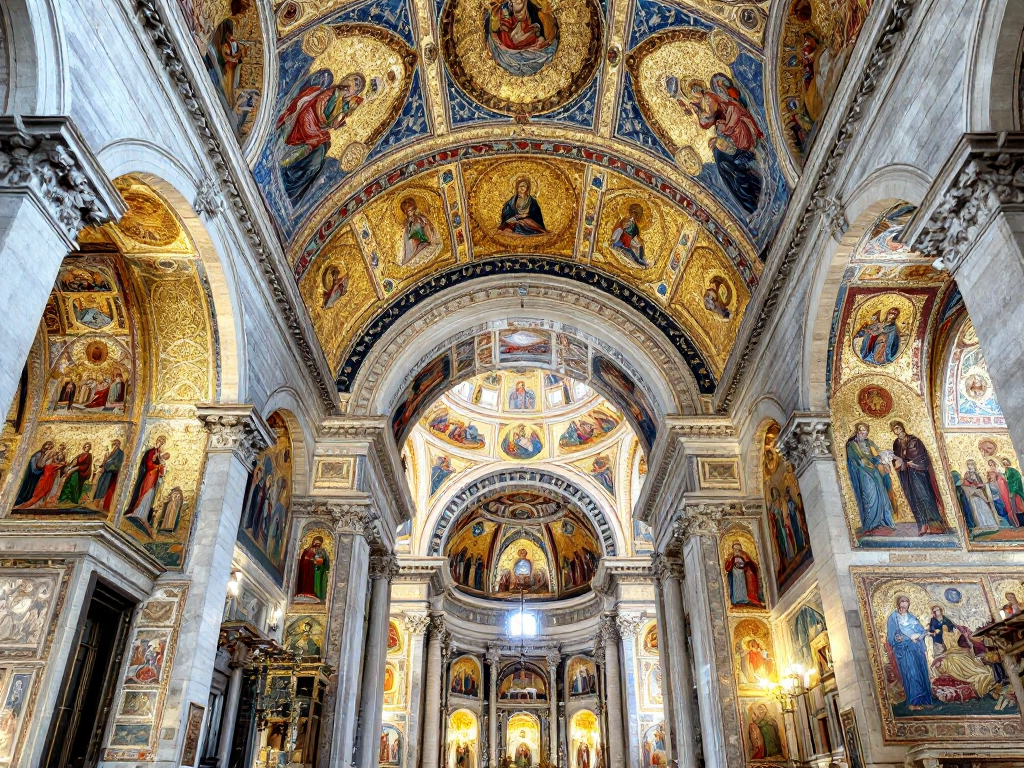
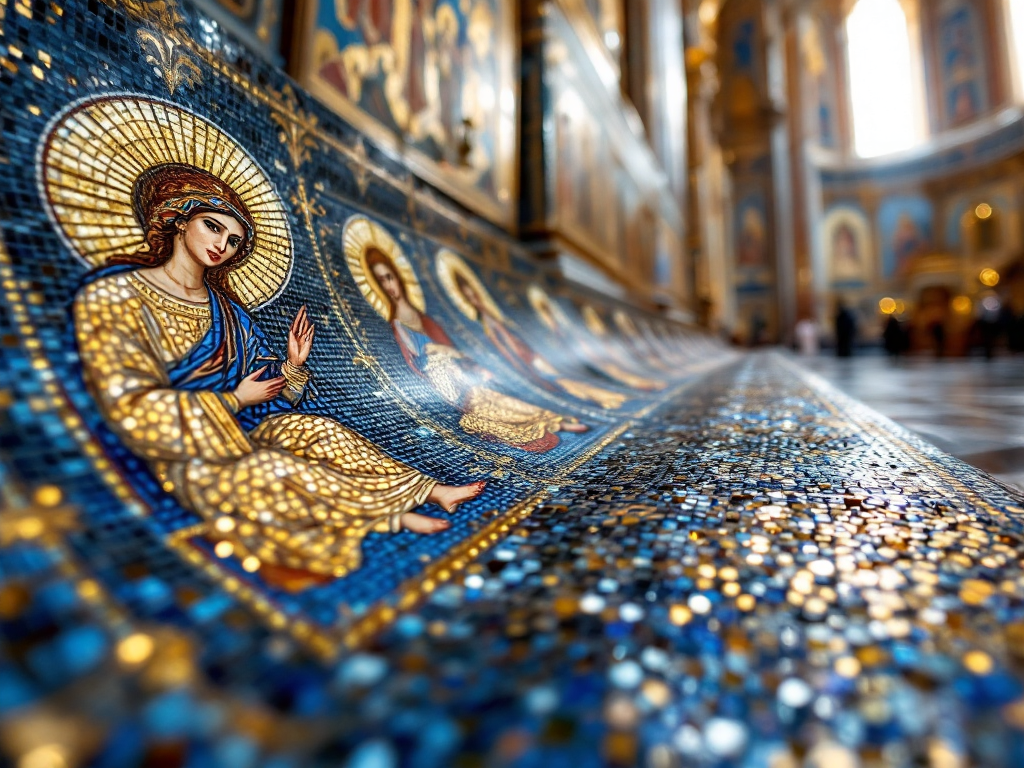
- Basilica di Sant'Apollinare Nuovo (1.5 hours): This is why you came to Ravenna. The mosaics are absolutely extraordinary—we're talking 6th-century Byzantine art that will make your jaw drop. Entrance is €9, but it's 100% worth it. Go early to beat tour groups. The basilica opens at 9 AM; if you can catch a 7 AM train, you'll have the place nearly to yourself for 30 minutes.
- Mausoleum of Galla Placidia (45 minutes): Right near Sant'Apollinare, this is smaller and even more intimate. The blue mosaics are otherworldly. €9 entry. Pro tip: Buy a combined ticket for both (€15) if available.
- Basilica di San Vitale (1 hour): Another mosaic masterpiece. Less crowded than Sant'Apollinare but equally stunning. €9. The light through the dome around late morning is magical—trust me on this.
- Lunch break (1 hour): Grab a seat at any café in the historic center and order local Piadina (flatbread sandwiches) or pasta e fagioli. Budget €12-18 for lunch. Skip the tourist trap restaurants near the basilicas.
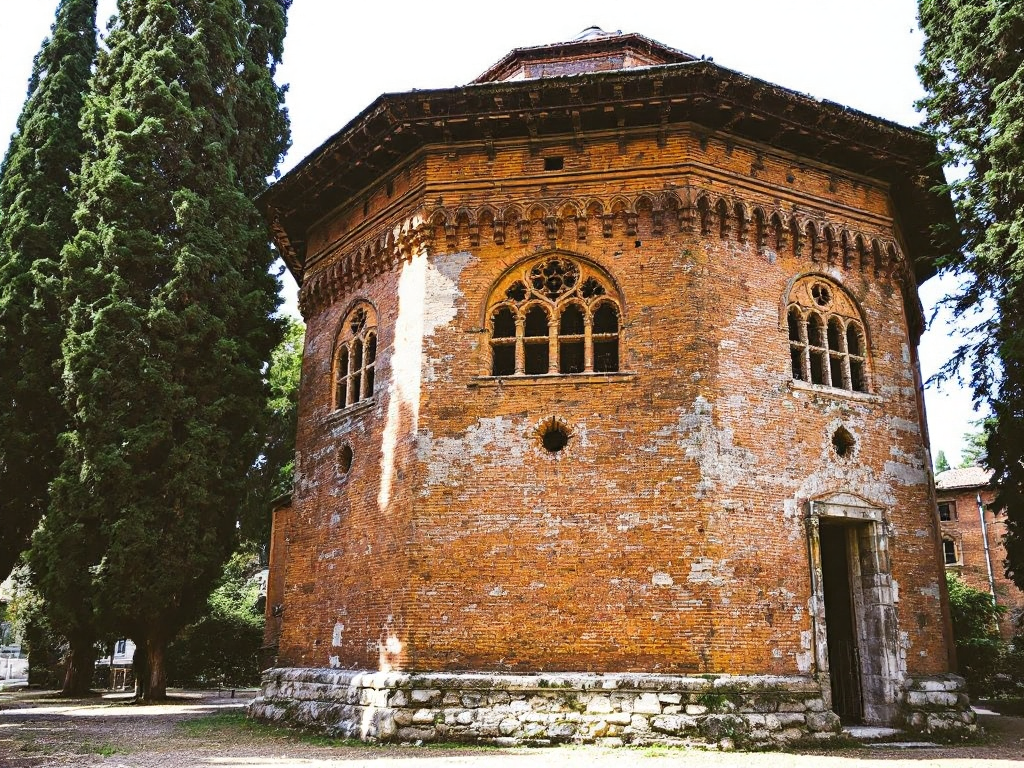
- Octagonal Baptistry or Cathedral (30 minutes): Depending on your energy level, squeeze in one more smaller church if you want, or just wander the charming streets.
If You Have More Time (7+ Hours)
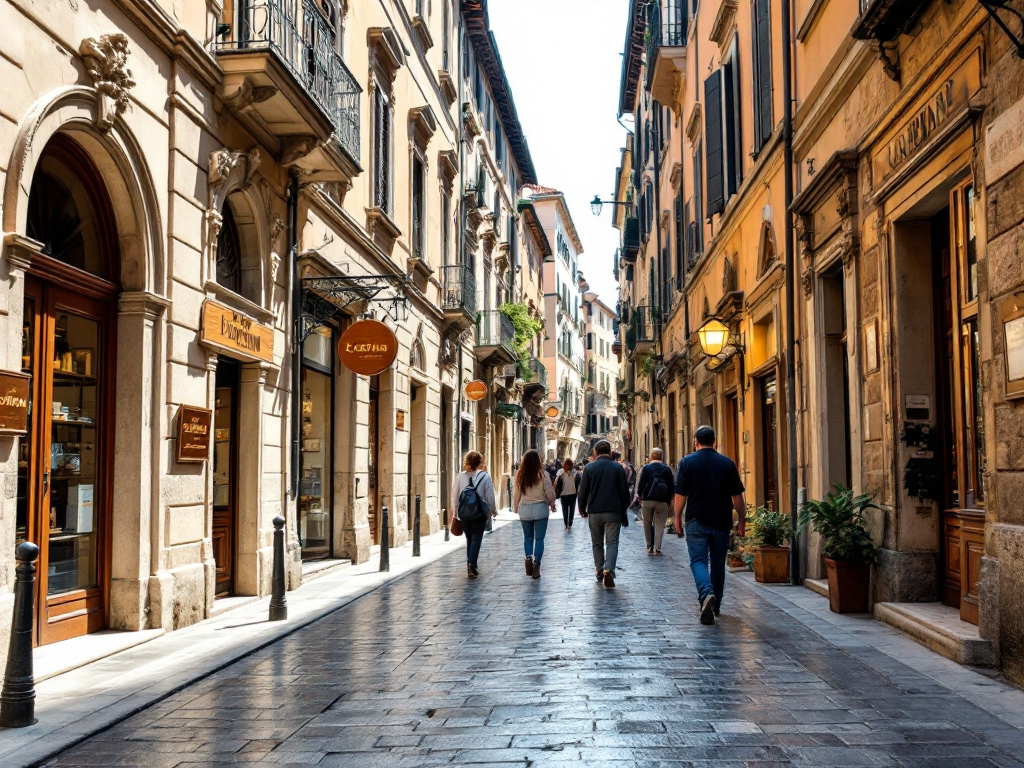
Add the Theodoric's Mausoleum (€4)—it's outside the city center but worth the detour if you're fascinated by early medieval history. The Neonian Baptistry is also lovely if you're a church mosaic enthusiast. And honestly, just walking the narrow streets and popping into random shops is part of the charm. There's a decent archaeological museum if you're into that (€8), but most cruisers find it less impressive than the basilicas.
Honest Pros and Cons of a Ravenna Port Stop
The Pros:
- Genuinely world-class mosaics that rival Rome, Constantinople, and anywhere else—no hyperbole
- Way fewer cruise ship crowds than Venice or Barcelona
- Incredibly affordable city with cheap trains and inexpensive food
- Beautiful, walkable historic center
- Genuinely interesting history if you're into Byzantine civilization
The Cons:
- The 11-kilometer distance to the port eats into your time—you'll lose 45-60 minutes to transportation
- Most churches close between 12-3 PM (I got burned by this my second visit), so plan accordingly
- If you're not into historical architecture and mosaics, Ravenna will feel boring. There's no beach, no hiking, no wild nightlife
- Summer heat can be brutal—bring water and go early
- Ticket prices add up fast: €9 + €9 + €9 = €27 just for the main basilicas
The bottom line: Ravenna is absolutely worth your time if you love history and art. Skip it if you're the type who just wants to lounge on a beach or hit the bars.
Insider Tips I've Learned the Hard Way
- Buy a combined ticket. If the Ravenna tourist office offers a combined entry ticket for all major basilicas (usually around €20-25), grab it. Saves €2-5 and saves time at each entrance.
- Dress respectfully. These are working churches, not museums. Covered shoulders and knees aren't just a suggestion—locals notice and judges judge. I've watched ship security escort people out.
- Go early or late. 10 AM-2 PM is peak tour group chaos. If your ship allows you to stay until 6 PM, the late afternoon is golden. The mosaics light up beautifully as the sun drops.
- Download the Mosaici di Ravenna app. It's free and actually useful—tells you the history of each mosaic and explains what you're looking at. Makes the experience way richer.
- The train is genuinely better than the ship excursion. I know I mentioned this already, but I'm emphasizing it because I've heard so many cruisers say "I paid €40 for a shuttle bus and had 3 hours in town." Train gives you independence and better timing.
- Bring small bills and coins. Many smaller churches and shops don't take cards. I got caught short of €3 once and it was embarrassing.
- Verify the church schedule before you go. Call ahead or ask at the tourist office. My third visit, San Vitale had a funeral Mass at 2 PM and closed to tourists. I had to skip it.
The Real Cost Breakdown for Ravenna
Let's say you're taking the train option and doing the essential experience:
- Train from port to city center: €2-3 each way = €4-6 round trip
- Combined basilica ticket (3 churches): €20-25
- Lunch: €12-18
- Coffee and water: €5-8
- Maybe a small souvenir: €5-10
- Total: €46-67 per person
Compare that to a ship excursion at €40 plus the cost of lunch away from the tour group, and you're already saving money while getting more freedom.
Should You Book a Pre- or Post-Cruise Hotel Night in Ravenna?
Short answer: Only if you're absolutely obsessed with mosaics or want to explore the surrounding area (Rimini beach is 20 minutes away by train, for example). For most cruisers, one port day is enough. Ravenna feels like a day trip destination, not a place you'd want to spend multiple days.
If you do decide to stay, expect €80-120 per night for a three-star hotel in the historic center in 2026. Not cheap, but the hotels are genuinely charming.
Pro Tip: Combine Ravenna with Other Adriatic Stops
Ravenna often appears on itineraries with Venice, Trieste, Dubrovnik, or Split. If your cruise hits multiple ports, prioritize Ravenna for the mosaics and do the outdoor stuff (hiking, beaches, island hopping) at other stops. That's how you get maximum value from your entire itinerary.
Final Verdict
After three visits, I'm absolutely convinced Ravenna deserves a spot on your Mediterranean cruise bucket list. The mosaics are genuinely world-class, the experience feels authentic and uncrowded, and the logistics (trains, distance, timing) are totally manageable if you plan ahead.
The one risk: If you're not into history and churches, you might feel like you wasted your port day. But if you love art, architecture, and Byzantine history, Ravenna will be the highlight of your cruise. Full stop.
Got questions about timing, what to pack, or want to compare Ravenna to other Mediterranean ports? Head over to our Europe Ports forum and join the conversation. The community there has tons of real cruiser feedback on everything from train schedules to the best gelato shops.