

Sofia_Reyes
Moderator
My First Cruise Was in 2003 — Here's How Cruising Has Completely Changed
I'll never forget stepping aboard the Carnival Pride in 2003. I was 22, nervous, and absolutely blown away by what felt like a floating city. Fast forward to 2026, and after 40+ cruises across multiple cruise lines, I can tell you with certainty: cruising has transformed in ways both wonderful and, honestly, a little bittersweet. Let me walk you through what's changed — and what hasn't — over the past two decades.
The Ships: Bigger, Smarter, More Complex
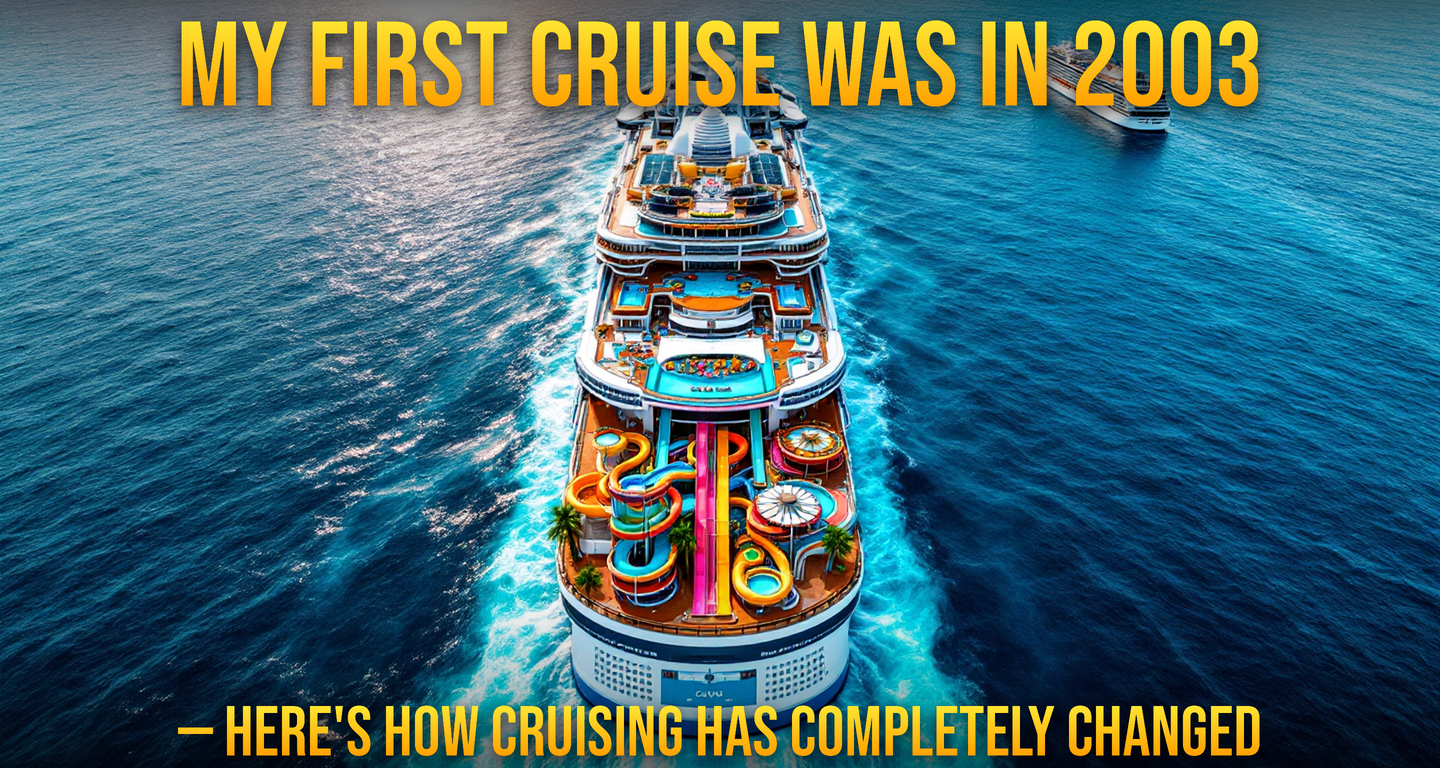
When I cruised on the Pride back in 2003, the ship felt enormous at 88,500 tons. I thought I'd seen the peak of cruise ship engineering. I was very, very wrong.
Today's mega-ships like the Royal Caribbean Icon of the Seas (248,000 tons) and Norwegian Aqua (142,000 tons) make that old Carnival look like a toy. But it's not just about size — these newer ships are filled with technology that would seem like science fiction to my 2003 self.
- Cabin tech — My 2003 cabin had a TV bolted to the wall. Now you've got smart cabins with voice controls, digital safes, and entertainment systems that rival your home setup. MSC's newer ships have AI robots wandering the halls, for better or worse.
- Navigation and stability — Modern ships use dynamic positioning and advanced stabilizers that make rough seas feel almost manageable. The older Pride would pitch and roll in ways that sent me straight to the cabin.
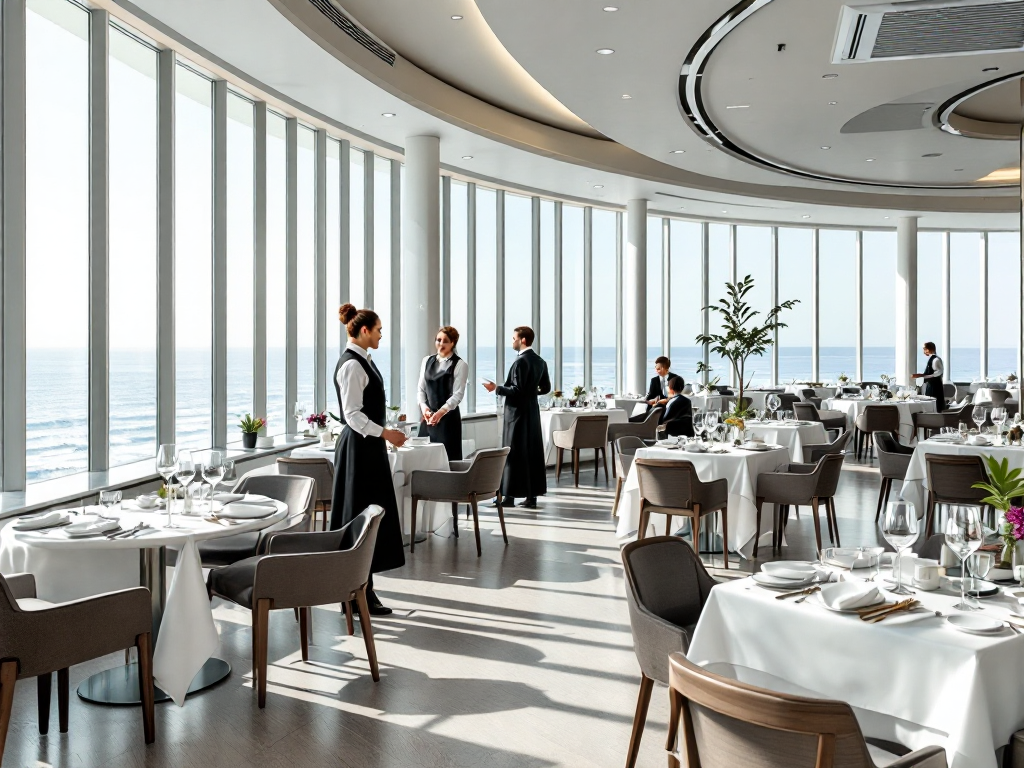
- Dining innovations — In 2003, you had the main dining room, the buffet, and maybe one specialty restaurant charging $15 extra. Now specialty dining has exploded. You're looking at $60-$150 per person for upscale restaurants, and the quality is genuinely exceptional.
- Sustainability systems — This is one change I genuinely love. Newer ships have scrubber technology, advanced waste management, and fuel efficiency that older vessels simply didn't have.
The Cost: Prices Have Skyrocketed (But So Has Value)
Here's where I need to be honest: cruising costs way more than it did in 2003.
My Carnival Pride cruise in 2003 cost about $450 per person for a 7-day Caribbean sailing. That same ship today (yes, the Pride is still sailing!) runs $600-$800 for comparable itineraries. But when you factor in inflation, a 2003 cruise actually cost about $700 in 2026 dollars. So in nominal terms, you're not paying dramatically more — but here's the catch: that 2003 price included more.
Back then, gratuities were built into the price at many lines. Specialty dining was rare and affordable. Your room charge got you actual service without upsells at every turn. Beverage packages? Didn't exist.
In 2026, the cruise fare is lower, but then you're layering on:
- Gratuities (18-20% added daily)
- Beverage packages ($80-$200+ per person per week)
- Specialty dining ($30-$150 per person per meal)
- Wi-Fi ($15-$35 per day per person)
- Excursions (way more expensive at ports)
A realistic 7-day cruise for a couple in 2026 runs $2,500-$4,000+ all-in. In 2003, it was $1,000-$1,500 all-in.
The Crowds: Everyone's Cruising Now
When I took my first cruise in 2003, it felt exclusive. Not elite-level exclusive, but cruising wasn't what every family did for vacation.
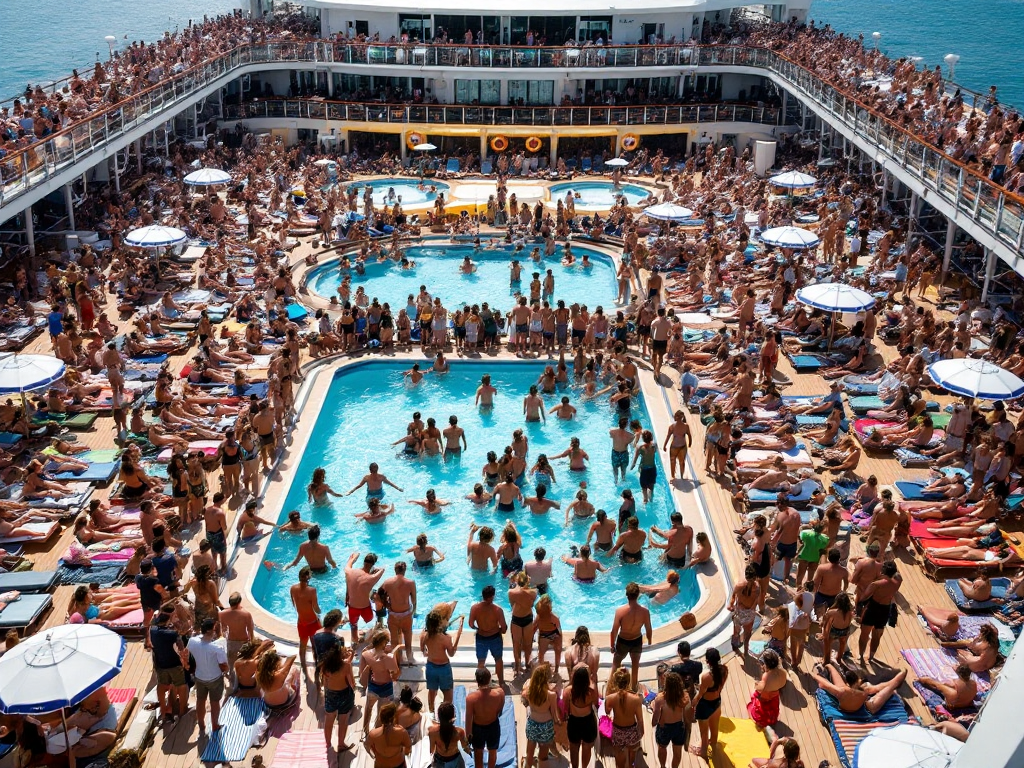
Now? Cruising is mainstream. The industry carries over 28 million passengers annually in 2026. You'll have a harder time finding a quiet corner of the ship, especially during peak season. The buffet lines are longer. The main dining room feels crowded. The pool decks are packed.
I'm not complaining — growth is good for the industry — but if you remember the calm, intimate feel of older cruises, that's mostly gone. If that matters to you, consider:
- Smaller ships — River cruises, expedition ships, or older ocean vessels still offer that quieter experience
- Shoulder seasons — Travel in May or September instead of peak summer
- Longer sailings — 10+ day cruises tend to have fewer first-timers and less chaos
The Service: Better Training, Less Personal Touch
This is the part that hits me hardest as a nostalgic cruiser.
In 2003, your cabin steward knew your name by day two. The dining room server greeted you like an old friend. Crew members seemed genuinely happy to chat with passengers. It felt personal.
Today's crew is more professionally trained, better managed, and following standardized protocols. That's made service more consistent, which is great. But it's also made service less memorable. Your steward is efficient but transactional. Your server is polished but distant.
Part of this is volume — crew can't build relationships when there are 6,000 passengers. Part of it is that cruise lines have become more corporate and process-driven. I understand why, but I miss the old magic.

The Entertainment: Bigger Productions, Less Variety
In 2003, evening entertainment was genuinely unpredictable. You'd get local bands, comedians, magic shows, or production numbers that ranged from charming to cringeworthy. Theater shows were amateur-hour in the best way.
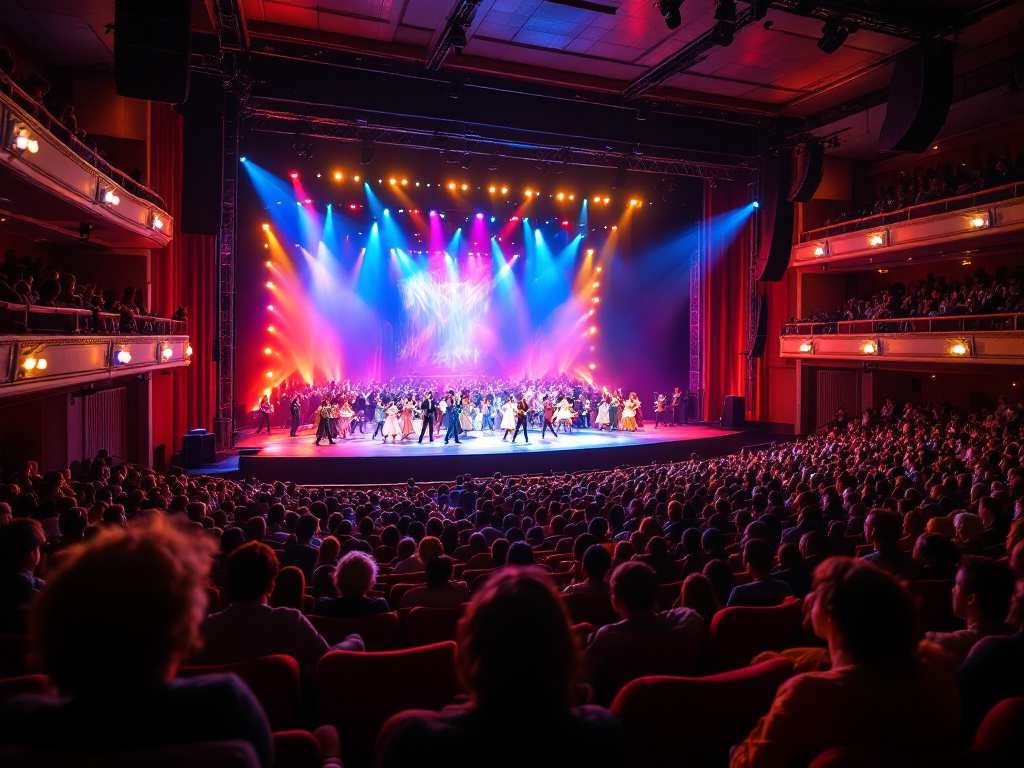
Now, major cruise lines employ Broadway-quality entertainment. The shows on Royal Caribbean's Icon of the Seas rival Las Vegas productions. That's objectively amazing.
But there's less variety in other entertainment. You're not getting spontaneous deck parties. The comedy show is one pre-packaged touring act. Gaming and nightlife feel more corporate and less fun.
Technology: Connected at Sea (Whether You Want to Be or Not)
My 2003 self paid $25 per day for satellite phone calls home. Most people just didn't stay connected at all. It was blissful.
Now you've got Wi-Fi on every ship. Some lines offer fast packages for $100+ per week. You can video call, stream, and check work emails from the middle of the Caribbean. That's convenient, but it's also made it harder to truly disconnect.
My tip: Leave your phone in the cabin more often. You didn't need connectivity in 2003, and you don't really need it now either.
What I Actually Miss Most
After 40+ cruises, here's what I genuinely wish would come back:
- All-inclusive pricing — Not everything should cost extra
- Quieter ships — Fewer passengers overall
- Spontaneous experiences — More improvisation, less rigid scheduling
- Crew friendships — Spaces where crew and passengers could actually interact
- Mystery in itineraries — No pre-booking every port activity
What's Actually Better Now
But let's be fair — cruising in 2026 has genuine improvements:
- Itinerary diversity — You can cruise to Antarctica, the Galápagos, Southeast Asia, and beyond. In 2003, your options were Caribbean, Alaska, or maybe Mexico.
- Specialized experiences — Adventure cruises, expedition sailings, river cruises, and small-ship options give you way more choices
- Onboard amenities — Modern cabin bathrooms, multiple restaurants, fitness technology, and entertainment options are world-class
- Safety and health standards — Protocols are thorough and take pandemic lessons seriously
- Accessibility — Newer ships accommodate mobility challenges, hearing loss, and other needs far better than old vessels
The Honest Takeaway
Cruising has changed more in the past 23 years than in the 30 years before that. Ships are bigger and smarter. Prices are higher but also carry more value per amenity. The experience is more polished but less personal. Crowds are larger but itineraries are more diverse.
If you're planning your first cruise in 2026, you're getting an incredible product — even if you might never know the simpler, quieter version of cruising that I fell in love with on the Pride back in 2003.
If you're a veteran cruiser like me, here's my challenge: Find ways to recreate that magic. Book a smaller ship. Sail in shoulder season. Skip the mega-ships occasionally. Talk to crew members. Leave your phone behind. You can't rewind to 2003, but you can still find moments that feel just as special.
What was your first cruise? What ship? What year? I'd love to hear how your cruising journey has evolved — and whether you're missing anything from the old days. Head over to the CruiseVoices forums and share your first cruise story. Let's get nostalgic together.