

After sailing to Mexican ports 18 times over the past five years, I've watched the safety landscape shift dramatically. The 2026 travel advisories paint a complex picture that often leaves cruisers confused about what's actually safe. Let me break down the reality of Mexican port security based on my recent experiences and conversations with local port authorities.
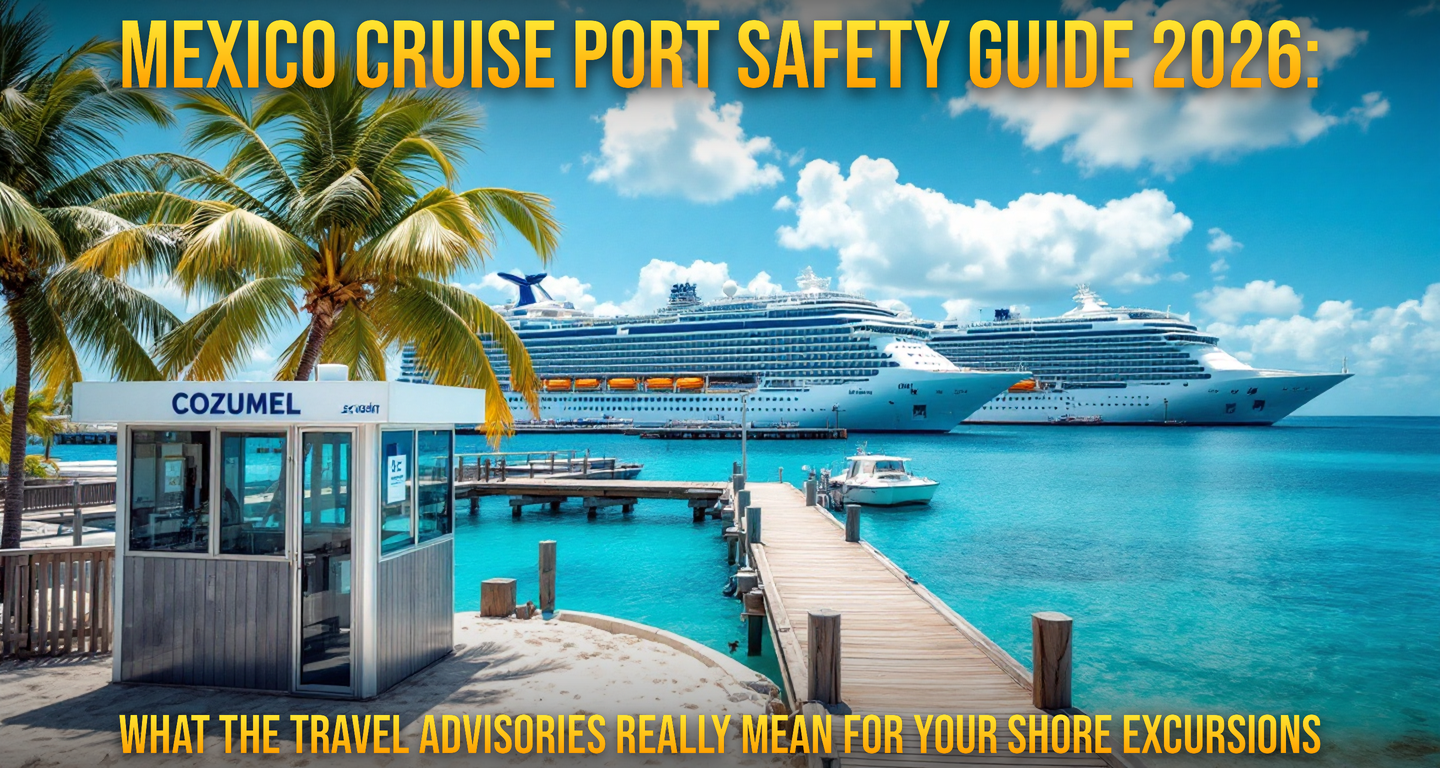
Cozumel remains the gold standard for cruise port security. The island's economy depends entirely on tourism, and it shows. I walked the port area at 10 PM in March 2026 without any concerns. The dedicated cruise terminal has its own security perimeter, and local police maintain a visible presence throughout the tourist zones.
Costa Maya operates similarly to Cozumel with controlled access to the port complex. However, venture beyond the immediate tourist area and you'll notice the security presence drops off quickly. I stuck to the port shops and beach club during my last visit in January 2026.
Progreso (Merida) presents more challenges. The port itself is secure, but the 20-minute drive to Merida requires crossing areas that local guides recommend avoiding after dark. During my February 2026 visit, our shore excursion guide specifically mentioned avoiding certain neighborhoods.
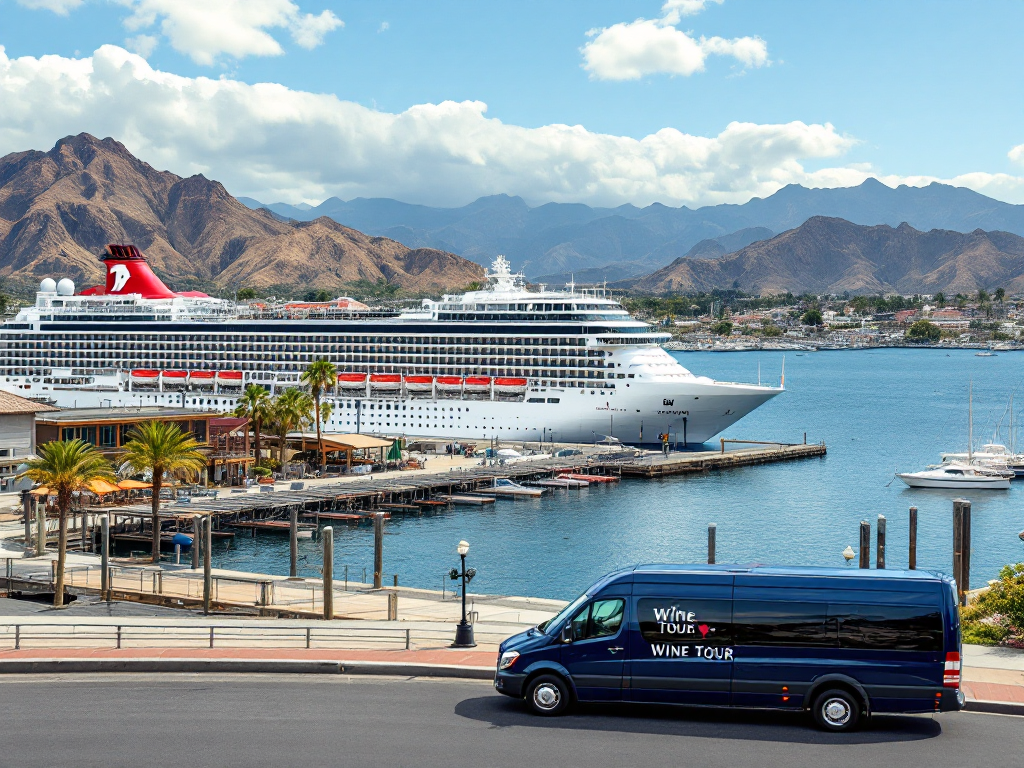
Ensenada surprised me positively. Despite Mexico's northern border concerns, the cruise port area feels remarkably safe. Local wine tour operators I met in 2026 report no significant incidents with cruise passengers.
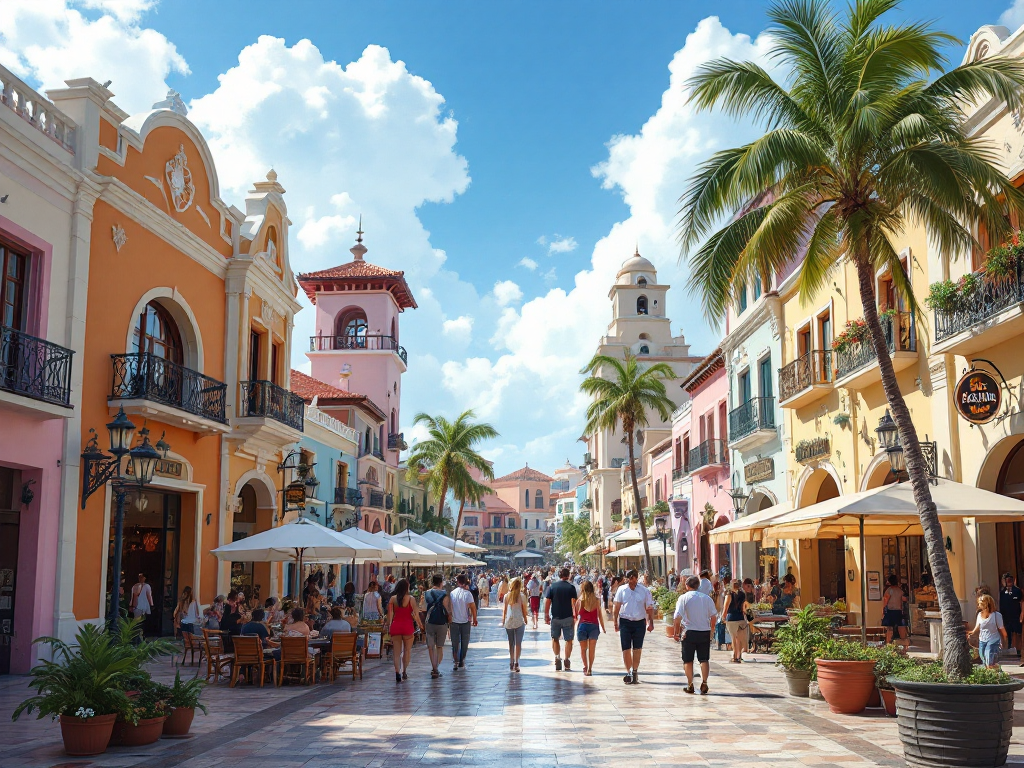
The State Department's Level 2 advisory for most Mexican cruise destinations sounds scarier than the reality on the ground. Here's what those ratings translate to in practical terms:
I've found these advisories often reflect broader regional concerns rather than specific cruise port conditions. The controlled environment of cruise terminals creates a safety bubble that doesn't always align with general travel warnings.
Share your experiences with Mexican port security in our Mexico & Central America forum!
Ship-Sponsored Excursions offer the highest security level but at premium prices. Norwegian's Cozumel jeep tour cost me $89 in March 2026, while local operators quoted $45 for similar routes. However, cruise line tours include insurance coverage and guaranteed ship departure coordination.
Recommended Independent Tour Operators:

Red Flags for Independent Tours:
During my April 2026 Cozumel visit, I witnessed pier touts promising "authentic cenote experiences" for $25. The legitimate cenote tours start at $65 and include proper safety equipment and trained guides.
Cozumel Strategy:
The main tourist corridor from the pier to downtown runs along secure, well-patrolled streets. I regularly walk this route alone during daytime hours. The Corpus Christi area near the main square maintains consistent police presence. Avoid the residential areas east of 30th Avenue after sunset.
Costa Maya Strategy:
Stick to the port complex and Maya Lost Mayan Kingdom beach club. The artificial reef snorkeling area operates under port security oversight. I don't recommend venturing to nearby Mahahual village without a organized tour group - the road lacks adequate lighting and emergency services.
Progreso Strategy:
Book Merida excursions through established operators who use clearly marked, insured vehicles. The Mayan ruins at Chichen Itza require highway travel that I only do with certified tour groups. During my February 2026 visit, our guide carried emergency communication equipment required by local tourism authorities.
Ensenada Strategy:
The La Bufadora blowhole and local wineries operate excellent safety protocols. However, avoid Tijuana day trips from Ensenada - the 90-minute drive crosses areas with elevated security concerns in 2026.
Connect with other cruisers planning Mexican itineraries in our Mexico & Central America forum!
Essential Safety Items:
I learned this lesson the hard way in Progreso when my group got separated. Having the ship's direct contact number saved significant stress and helped security locate our tour guide quickly.
Communication Strategy:
Ship WiFi packages now work in most Mexican ports, but cellular coverage varies dramatically. Verizon and AT&T provide reliable service in Cozumel and Costa Maya, but Progreso has significant dead zones outside the immediate port area.
If Something Goes Wrong:
After 18 visits to Mexican cruise ports, I continue booking these itineraries because the actual risk level remains manageable with proper precautions. The key lies in understanding that cruise ports operate as controlled environments with security measures that don't exist in general travel scenarios.
The 2026 travel advisories reflect broader regional concerns, but cruise passengers benefit from additional security layers: port-controlled access, established tour operator networks, and immediate ship-based support systems.
My recommendation: Don't let travel advisories scare you away from Mexican cruises, but do take them seriously enough to plan appropriately. Stick to established tour operators, maintain situational awareness, and always inform someone of your plans when leaving the immediate port area.
Share your Mexican cruise port experiences and get real-time safety updates from fellow cruisers in our Mexico & Central America forum!
Current Security Levels at Major Mexican Cruise Ports
Cozumel remains the gold standard for cruise port security. The island's economy depends entirely on tourism, and it shows. I walked the port area at 10 PM in March 2026 without any concerns. The dedicated cruise terminal has its own security perimeter, and local police maintain a visible presence throughout the tourist zones.
Costa Maya operates similarly to Cozumel with controlled access to the port complex. However, venture beyond the immediate tourist area and you'll notice the security presence drops off quickly. I stuck to the port shops and beach club during my last visit in January 2026.
Progreso (Merida) presents more challenges. The port itself is secure, but the 20-minute drive to Merida requires crossing areas that local guides recommend avoiding after dark. During my February 2026 visit, our shore excursion guide specifically mentioned avoiding certain neighborhoods.
Ensenada surprised me positively. Despite Mexico's northern border concerns, the cruise port area feels remarkably safe. Local wine tour operators I met in 2026 report no significant incidents with cruise passengers.
What Those Travel Advisories Actually Mean
The State Department's Level 2 advisory for most Mexican cruise destinations sounds scarier than the reality on the ground. Here's what those ratings translate to in practical terms:
- Level 2 (Exercise Increased Caution): Standard precautions apply - don't flash expensive jewelry, stay in groups, avoid excessive drinking. This is the level for Cozumel and Costa Maya.
- Level 3 (Reconsider Travel): Some mainland ports fall here, but cruise terminals maintain their own security protocols that significantly reduce risk.
- Level 4 (Do Not Travel): No major cruise lines currently call on Level 4 Mexican ports.
I've found these advisories often reflect broader regional concerns rather than specific cruise port conditions. The controlled environment of cruise terminals creates a safety bubble that doesn't always align with general travel warnings.
Share your experiences with Mexican port security in our Mexico & Central America forum!
Shore Excursion Safety: Ship Tours vs Independent Exploration
Ship-Sponsored Excursions offer the highest security level but at premium prices. Norwegian's Cozumel jeep tour cost me $89 in March 2026, while local operators quoted $45 for similar routes. However, cruise line tours include insurance coverage and guaranteed ship departure coordination.
Recommended Independent Tour Operators:
- Cozumel: Memo's Jeep Tours (operating since 1995, excellent safety record)
- Costa Maya: Native Choice Tours (recommended by Celebrity crew members)
- Progreso: Yucatan Expat Services (English-speaking guides, tourist police certified)
Red Flags for Independent Tours:
- Operators approaching you on the pier (legitimate companies don't need to solicit)
- Cash-only payments with no receipt
- Vehicles without visible commercial licensing
- Tours promising access to "secret" or "locals-only" locations
- Prices significantly below market rate (usually $15-20 less than standard)
During my April 2026 Cozumel visit, I witnessed pier touts promising "authentic cenote experiences" for $25. The legitimate cenote tours start at $65 and include proper safety equipment and trained guides.
Port-by-Port Safety Strategies
Cozumel Strategy:
The main tourist corridor from the pier to downtown runs along secure, well-patrolled streets. I regularly walk this route alone during daytime hours. The Corpus Christi area near the main square maintains consistent police presence. Avoid the residential areas east of 30th Avenue after sunset.
Costa Maya Strategy:
Stick to the port complex and Maya Lost Mayan Kingdom beach club. The artificial reef snorkeling area operates under port security oversight. I don't recommend venturing to nearby Mahahual village without a organized tour group - the road lacks adequate lighting and emergency services.
Progreso Strategy:
Book Merida excursions through established operators who use clearly marked, insured vehicles. The Mayan ruins at Chichen Itza require highway travel that I only do with certified tour groups. During my February 2026 visit, our guide carried emergency communication equipment required by local tourism authorities.
Ensenada Strategy:
The La Bufadora blowhole and local wineries operate excellent safety protocols. However, avoid Tijuana day trips from Ensenada - the 90-minute drive crosses areas with elevated security concerns in 2026.
Connect with other cruisers planning Mexican itineraries in our Mexico & Central America forum!
Emergency Preparedness and Communication
Essential Safety Items:
- Copy of passport stored separately from original
- Ship's emergency contact card (get from guest services)
- Local emergency numbers: Mexico general emergency 911
- Tourist police hotline: 078 (works in all major cruise ports)
- Cash in small denominations (avoid displaying large bills)
I learned this lesson the hard way in Progreso when my group got separated. Having the ship's direct contact number saved significant stress and helped security locate our tour guide quickly.
Communication Strategy:
Ship WiFi packages now work in most Mexican ports, but cellular coverage varies dramatically. Verizon and AT&T provide reliable service in Cozumel and Costa Maya, but Progreso has significant dead zones outside the immediate port area.
If Something Goes Wrong:
- Contact ship security immediately - they coordinate with local authorities
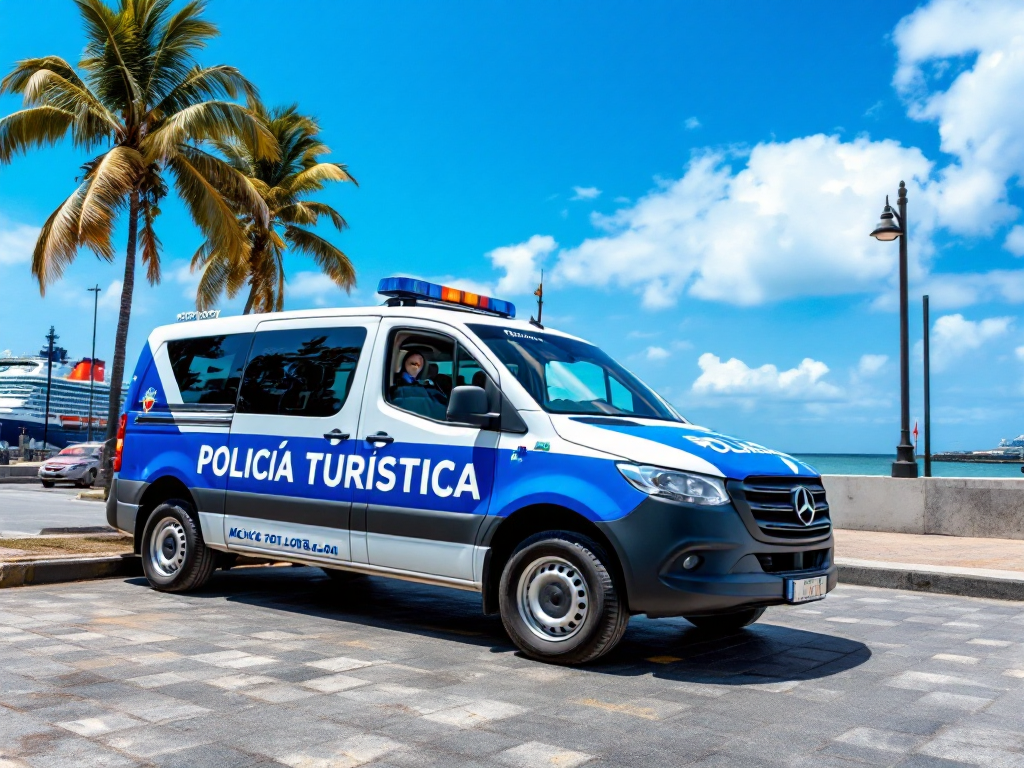
- Tourist police respond faster than regular police for cruise passenger issues
- Major hotels near ports (like Cozumel's InterContinental) provide safe havens and communication access
- U.S. Consular Agent offices exist in Cozumel and Merida for serious emergencies
The Bottom Line on Mexican Port Safety
After 18 visits to Mexican cruise ports, I continue booking these itineraries because the actual risk level remains manageable with proper precautions. The key lies in understanding that cruise ports operate as controlled environments with security measures that don't exist in general travel scenarios.
The 2026 travel advisories reflect broader regional concerns, but cruise passengers benefit from additional security layers: port-controlled access, established tour operator networks, and immediate ship-based support systems.
My recommendation: Don't let travel advisories scare you away from Mexican cruises, but do take them seriously enough to plan appropriately. Stick to established tour operators, maintain situational awareness, and always inform someone of your plans when leaving the immediate port area.
Share your Mexican cruise port experiences and get real-time safety updates from fellow cruisers in our Mexico & Central America forum!