

The Mediterranean remains one of the world's most enchanting cruise regions, but with nearly 3 million cruise passengers visiting Barcelona, Rome, and Palermo each year, understanding safety protocols has never been more critical. After 40+ cruises through these waters, I've learned that the best Mediterranean vacation starts with smart preparation.
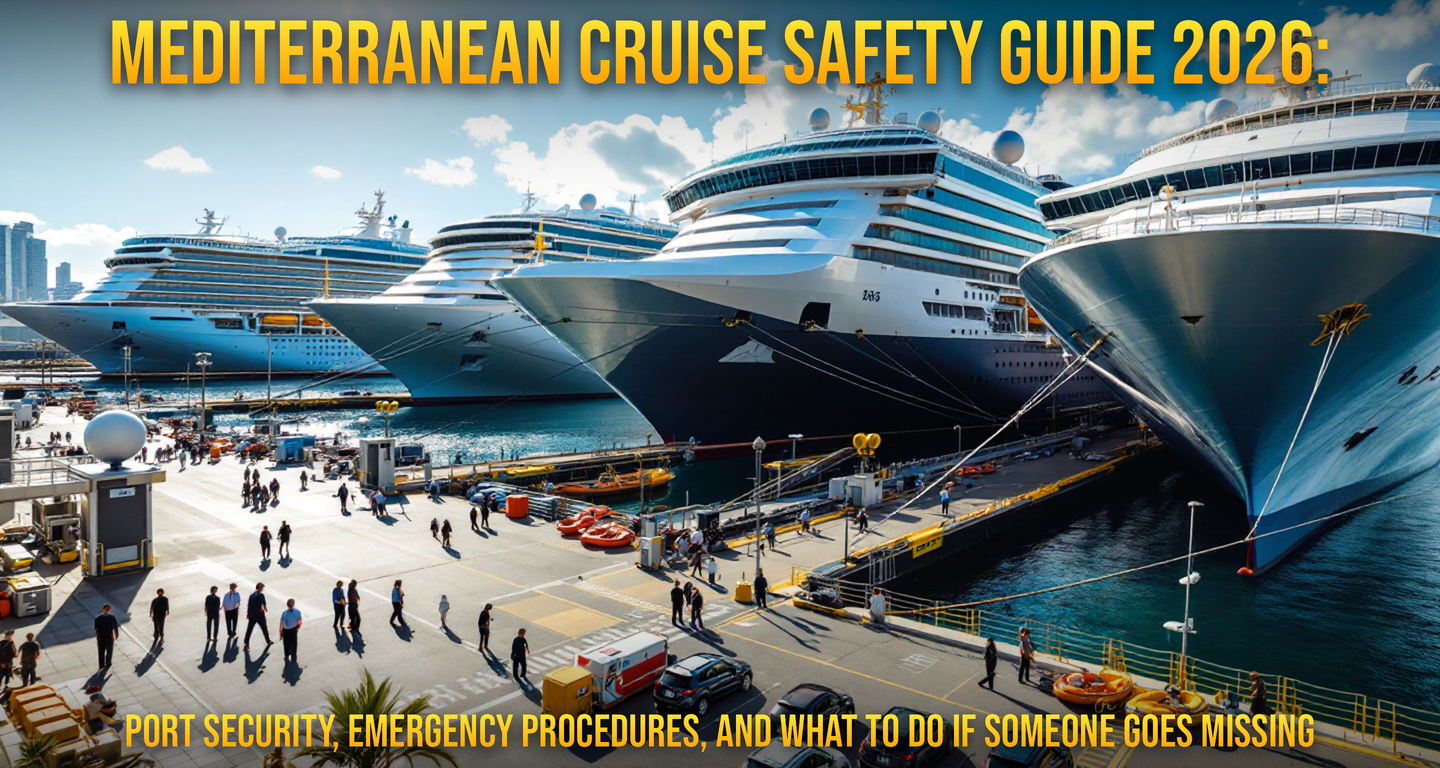
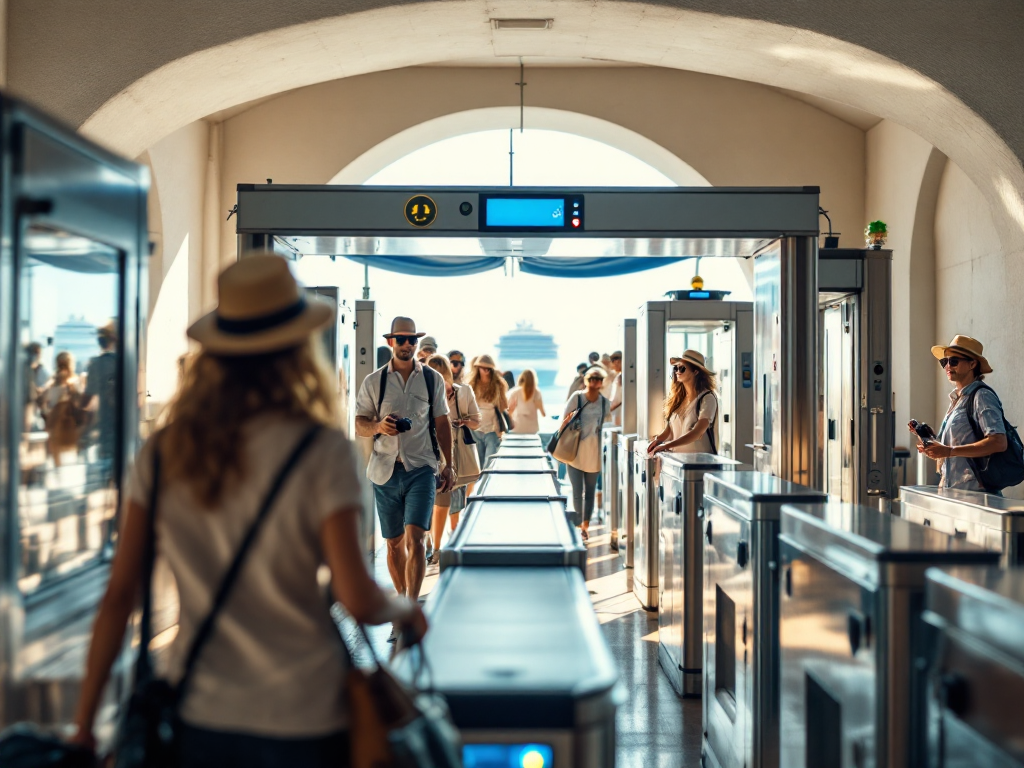
Mediterranean ports have significantly upgraded their security infrastructure following increased tourism volumes. When you dock in Barcelona's World Trade Center terminal, you'll notice metal detectors and bag scanners upon re-entry – similar to airport security but typically faster.
Major Port Security Changes:
Pro tip: Always carry your cruise card AND a government-issued ID when leaving the ship. Some ports like Livorno require both for re-entry, and I've seen passengers miss departure because they only brought their room key.
The reality? Port security adds 10-15 minutes to your return time. Plan accordingly, especially if you're exploring independently in cities like Naples or Dubrovnik where taxi timing can be unpredictable.
Share your Mediterranean port security experiences in our European Ports forum!
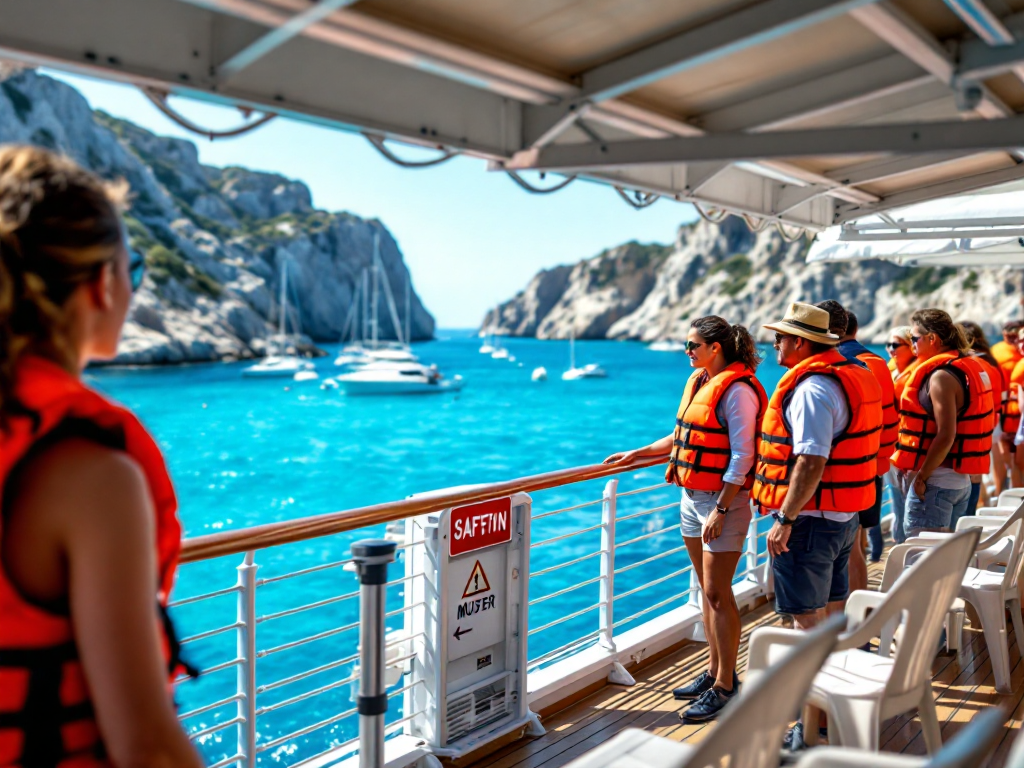
Mediterranean waters present unique challenges – from crowded anchorages in Santorini to weather systems that can develop rapidly near the Strait of Gibraltar. Understanding emergency procedures could save your vacation or your life.
Mandatory Muster Drill Updates:
All Mediterranean cruises now require enhanced muster drills within 24 hours of departure. Unlike Caribbean sailings, Mediterranean ships often conduct additional safety briefings when entering areas with higher maritime traffic, like the waters between Barcelona and the Balearic Islands.
On Norwegian Epic sailing from Barcelona to Rome, the crew conducts specific briefings about tender operations in Santorini – those zodiac transfers to shore can be tricky in choppy seas.
Medical Emergency Protocols:
Mediterranean cruise ships carry enhanced medical facilities due to distances between major medical centers. Celebrity Apex, for example, maintains a full surgical suite and can perform emergency procedures while sailing between distant ports like Palma and Tunis.
Key Emergency Numbers to Save:
Reality check: Cell service can be spotty between islands. During my sailing on MSC Seaside, we lost all cellular connectivity for 6 hours between Sicily and Malta. The ship's communication systems become your lifeline.
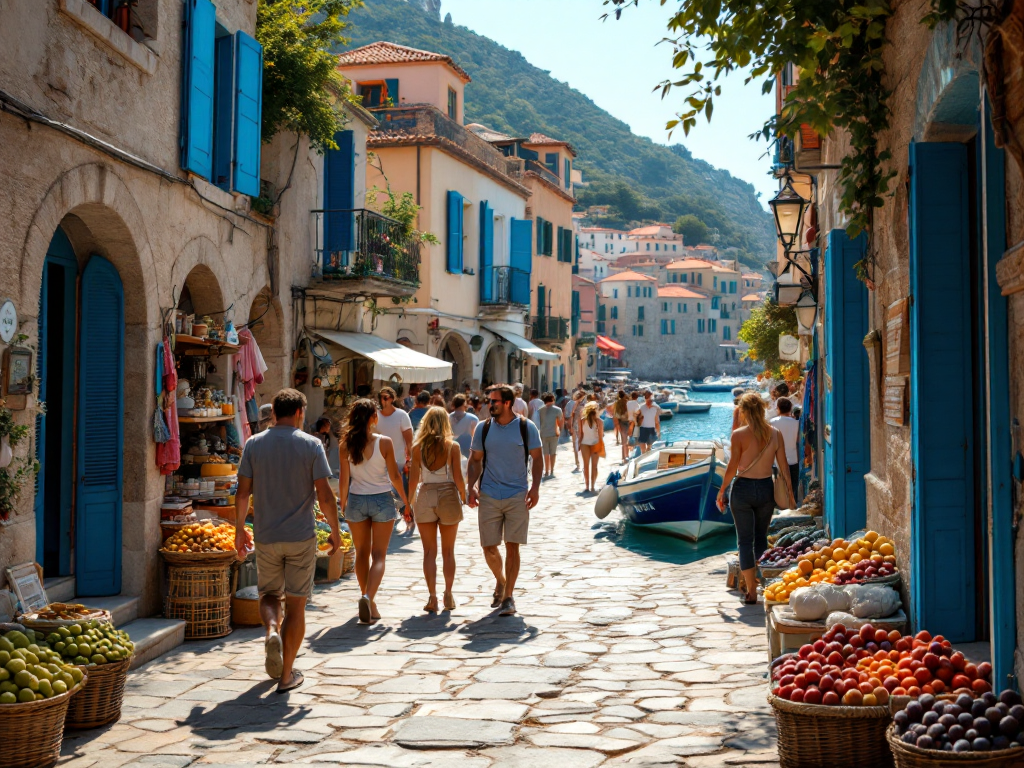
This is the situation no one wants to face, but Mediterranean ports present specific challenges. Crowded markets in Istanbul, winding streets in old town Dubrovnik, and language barriers can make finding separated family members genuinely difficult.
Immediate Response Protocol:
Port-Specific Challenges:
In Venice, the complexity of water taxi systems means people can end up at wrong terminals. Royal Caribbean's Odyssey of the Seas docks at Marittima terminal, but water taxis sometimes drop passengers at San Basilio – a 20-minute walk with luggage.
Barcelona's Las Ramblas area has seen increased petty theft targeting cruise passengers. If someone goes missing here, contact local Mossos d'Esquadra police (112) in addition to ship security.
Technology Solutions:
Apple AirTags have become invaluable for Mediterranean cruising. Hide one in each family member's day bag – Mediterranean cities like Rome and Athens have excellent Find My network coverage. During a recent sailing on Virgin Scarlet Lady, this helped locate a teenager who got turned around in Naples' Spaccanapoli district.
Honest truth: Most "missing" passenger situations resolve within 2 hours. People underestimate walking times in hilly ports like Santorini or get caught in traffic returning from Florence via shuttle bus.
Discuss missing person protocols with fellow cruisers in our European Ports forum!
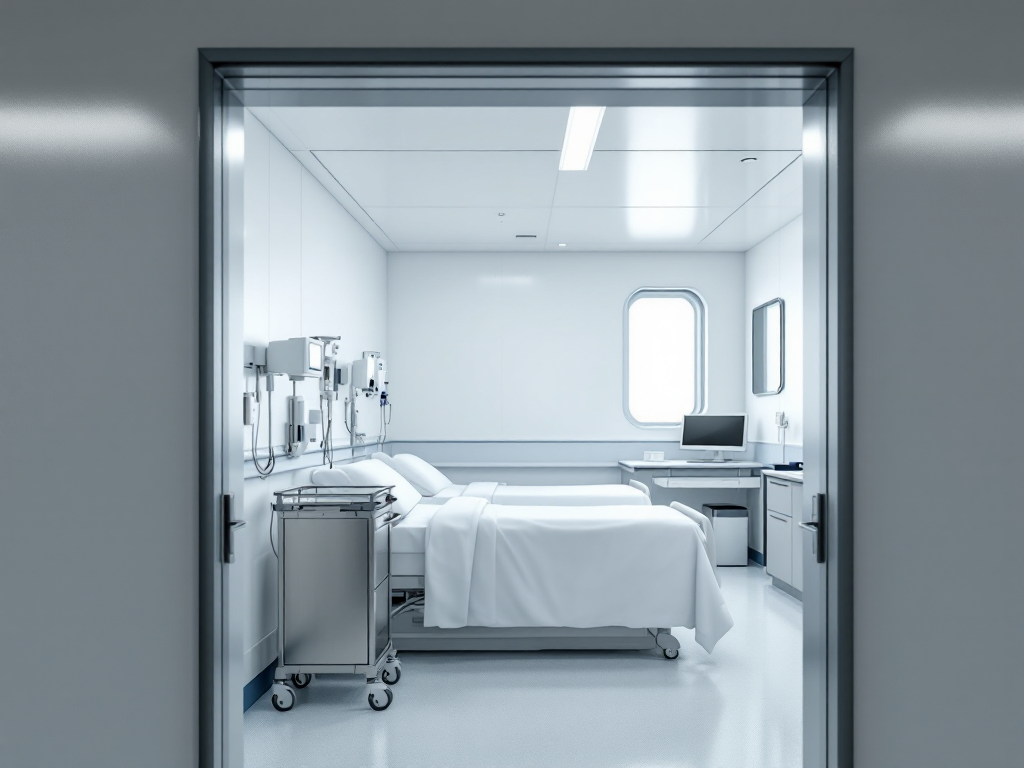
Mediterranean cruising involves unique health considerations – from intense sun exposure on Greek islands to altitude changes during excursions to Mount Vesuvius or Monaco's hills.
Essential Medical Preparations:
Common Mediterranean Health Issues:
Heat exhaustion is surprisingly common during shore excursions in southern Spain and Turkey. I've seen multiple passengers on Celebrity Constellation require medical attention after spending full days exploring Seville without adequate hydration.
Food safety varies significantly between ports. While ship dining maintains consistent standards, street food in some ports like Tunis or Alexandria requires more caution than similar offerings in Barcelona or Monaco.
Water Safety:
Mediterranean beaches often have strong undercurrents. The beach at Mykonos looks calm but has powerful undertows that catch swimmers off-guard. Always swim near lifeguard stations when available.
Mediterranean ports span multiple countries with different languages, currencies, and legal systems. Proper documentation becomes critical when problems arise.
Essential Documents to Carry:
Communication Challenges:
WiFi quality varies dramatically between Mediterranean ports. Barcelona and Monaco offer excellent connectivity, while smaller Greek islands may have limited service. Purchase the ship's internet package as backup – Celebrity's "Premium" package costs about $89 for 7 days but provides reliable emergency communication capability.
Pro tip: Download Google Translate with offline language packs before sailing. This saved me during a medical situation in Sicily when I needed to communicate with local pharmacy staff.
After dozens of Mediterranean sailings, these are the safety strategies that make real differences:
Money and Valuables:
Carry only what you need for each port day. Mediterranean pickpockets specifically target cruise passengers, especially around major attractions like Rome's Colosseum or Barcelona's Sagrada Familia. Use your cabin safe for passports, extra cash, and jewelry.
Transportation Safety:
Pre-arrange transportation for expensive shore excursions. That $300 Florence tour from Livorno isn't worth missing because you trusted a random taxi driver's time estimates. Ship-sponsored excursions guarantee return, even if they're pricier.
Weather Awareness:
Mediterranean weather can change rapidly. Pack layers even for summer cruises – evening temperatures in Monte Carlo can drop 20 degrees from afternoon highs. Check weather apps before each port day.
Cultural Sensitivity:
Dress appropriately for religious sites. St. Peter's Basilica in Rome and Hagia Sophia in Istanbul have strict dress codes that are enforced. Bring a light scarf to cover shoulders – it takes 30 seconds and prevents embarrassing situations.
The bottom line: Mediterranean cruising is incredibly safe when you prepare properly. The region's excellent infrastructure, combined with cruise lines' enhanced safety protocols, makes these some of the world's most secure cruise destinations.
Connect with experienced Mediterranean cruisers and share your own safety tips in our European Ports forum – because the best safety advice comes from fellow passengers who've navigated these waters successfully!
Understanding Mediterranean Port Security in 2026
Mediterranean ports have significantly upgraded their security infrastructure following increased tourism volumes. When you dock in Barcelona's World Trade Center terminal, you'll notice metal detectors and bag scanners upon re-entry – similar to airport security but typically faster.
Major Port Security Changes:
- Civitavecchia (Rome) now requires digital boarding passes scanned at port gates
- Marseille has implemented facial recognition systems at Terminal 4
- Palermo requires all shore excursions to register with port authorities
- Nice limits independent exploration to designated tourist zones
Pro tip: Always carry your cruise card AND a government-issued ID when leaving the ship. Some ports like Livorno require both for re-entry, and I've seen passengers miss departure because they only brought their room key.
The reality? Port security adds 10-15 minutes to your return time. Plan accordingly, especially if you're exploring independently in cities like Naples or Dubrovnik where taxi timing can be unpredictable.
Share your Mediterranean port security experiences in our European Ports forum!
Emergency Procedures Every Mediterranean Cruiser Should Know
Mediterranean waters present unique challenges – from crowded anchorages in Santorini to weather systems that can develop rapidly near the Strait of Gibraltar. Understanding emergency procedures could save your vacation or your life.
Mandatory Muster Drill Updates:
All Mediterranean cruises now require enhanced muster drills within 24 hours of departure. Unlike Caribbean sailings, Mediterranean ships often conduct additional safety briefings when entering areas with higher maritime traffic, like the waters between Barcelona and the Balearic Islands.
On Norwegian Epic sailing from Barcelona to Rome, the crew conducts specific briefings about tender operations in Santorini – those zodiac transfers to shore can be tricky in choppy seas.
Medical Emergency Protocols:
Mediterranean cruise ships carry enhanced medical facilities due to distances between major medical centers. Celebrity Apex, for example, maintains a full surgical suite and can perform emergency procedures while sailing between distant ports like Palma and Tunis.
Key Emergency Numbers to Save:
- Ship's medical center: Usually extension 911 from cabin phones
- Guest services: Extension 0 on most ships
- Port agent emergency line: Posted at gangway (varies by port)
- US Embassy emergency numbers: Critical if you're American traveling abroad
Reality check: Cell service can be spotty between islands. During my sailing on MSC Seaside, we lost all cellular connectivity for 6 hours between Sicily and Malta. The ship's communication systems become your lifeline.
What to Do if Someone Goes Missing
This is the situation no one wants to face, but Mediterranean ports present specific challenges. Crowded markets in Istanbul, winding streets in old town Dubrovnik, and language barriers can make finding separated family members genuinely difficult.
Immediate Response Protocol:
- Contact Guest Services immediately – don't wait "a few more hours"
- Provide last known location, clothing description, and any medical conditions
- Check all ship public areas before assuming they're ashore
- Alert your travel companions to stop searching independently
Port-Specific Challenges:
In Venice, the complexity of water taxi systems means people can end up at wrong terminals. Royal Caribbean's Odyssey of the Seas docks at Marittima terminal, but water taxis sometimes drop passengers at San Basilio – a 20-minute walk with luggage.
Barcelona's Las Ramblas area has seen increased petty theft targeting cruise passengers. If someone goes missing here, contact local Mossos d'Esquadra police (112) in addition to ship security.
Technology Solutions:
Apple AirTags have become invaluable for Mediterranean cruising. Hide one in each family member's day bag – Mediterranean cities like Rome and Athens have excellent Find My network coverage. During a recent sailing on Virgin Scarlet Lady, this helped locate a teenager who got turned around in Naples' Spaccanapoli district.
Honest truth: Most "missing" passenger situations resolve within 2 hours. People underestimate walking times in hilly ports like Santorini or get caught in traffic returning from Florence via shuttle bus.
Discuss missing person protocols with fellow cruisers in our European Ports forum!
Medical and Health Safety Considerations
Mediterranean cruising involves unique health considerations – from intense sun exposure on Greek islands to altitude changes during excursions to Mount Vesuvius or Monaco's hills.
Essential Medical Preparations:
- Bring prescription medications in original containers
- Pack extra inhalers if you have asthma – Mediterranean dust and pollen can trigger attacks
- Carry European Health Insurance Card if you're an EU citizen
- Purchase travel insurance covering medical evacuation
Common Mediterranean Health Issues:
Heat exhaustion is surprisingly common during shore excursions in southern Spain and Turkey. I've seen multiple passengers on Celebrity Constellation require medical attention after spending full days exploring Seville without adequate hydration.
Food safety varies significantly between ports. While ship dining maintains consistent standards, street food in some ports like Tunis or Alexandria requires more caution than similar offerings in Barcelona or Monaco.
Water Safety:
Mediterranean beaches often have strong undercurrents. The beach at Mykonos looks calm but has powerful undertows that catch swimmers off-guard. Always swim near lifeguard stations when available.
Communication and Documentation Safety
Mediterranean ports span multiple countries with different languages, currencies, and legal systems. Proper documentation becomes critical when problems arise.
Essential Documents to Carry:
- Passport (not just cruise card) for all European ports
- Travel insurance information with international contact numbers
- Ship's agent contact information for each port
- Emergency contact information for someone not on the cruise
Communication Challenges:
WiFi quality varies dramatically between Mediterranean ports. Barcelona and Monaco offer excellent connectivity, while smaller Greek islands may have limited service. Purchase the ship's internet package as backup – Celebrity's "Premium" package costs about $89 for 7 days but provides reliable emergency communication capability.
Pro tip: Download Google Translate with offline language packs before sailing. This saved me during a medical situation in Sicily when I needed to communicate with local pharmacy staff.
Practical Safety Tips That Actually Work
After dozens of Mediterranean sailings, these are the safety strategies that make real differences:
Money and Valuables:
Carry only what you need for each port day. Mediterranean pickpockets specifically target cruise passengers, especially around major attractions like Rome's Colosseum or Barcelona's Sagrada Familia. Use your cabin safe for passports, extra cash, and jewelry.
Transportation Safety:
Pre-arrange transportation for expensive shore excursions. That $300 Florence tour from Livorno isn't worth missing because you trusted a random taxi driver's time estimates. Ship-sponsored excursions guarantee return, even if they're pricier.
Weather Awareness:
Mediterranean weather can change rapidly. Pack layers even for summer cruises – evening temperatures in Monte Carlo can drop 20 degrees from afternoon highs. Check weather apps before each port day.
Cultural Sensitivity:
Dress appropriately for religious sites. St. Peter's Basilica in Rome and Hagia Sophia in Istanbul have strict dress codes that are enforced. Bring a light scarf to cover shoulders – it takes 30 seconds and prevents embarrassing situations.
The bottom line: Mediterranean cruising is incredibly safe when you prepare properly. The region's excellent infrastructure, combined with cruise lines' enhanced safety protocols, makes these some of the world's most secure cruise destinations.
Connect with experienced Mediterranean cruisers and share your own safety tips in our European Ports forum – because the best safety advice comes from fellow passengers who've navigated these waters successfully!