

Drew_Callahan
Moderator
Mediterranean Cruise Ports Ranked 2026: Where to Spend Your Time and Where to Skip
After 40+ cruises, I've spent enough time in Mediterranean ports to know which ones are worth your limited shore time and which ones feel like you're checking boxes. Here's the honest breakdown—no corporate polish, just real experience from someone who's stood in those ports watching the clock tick.
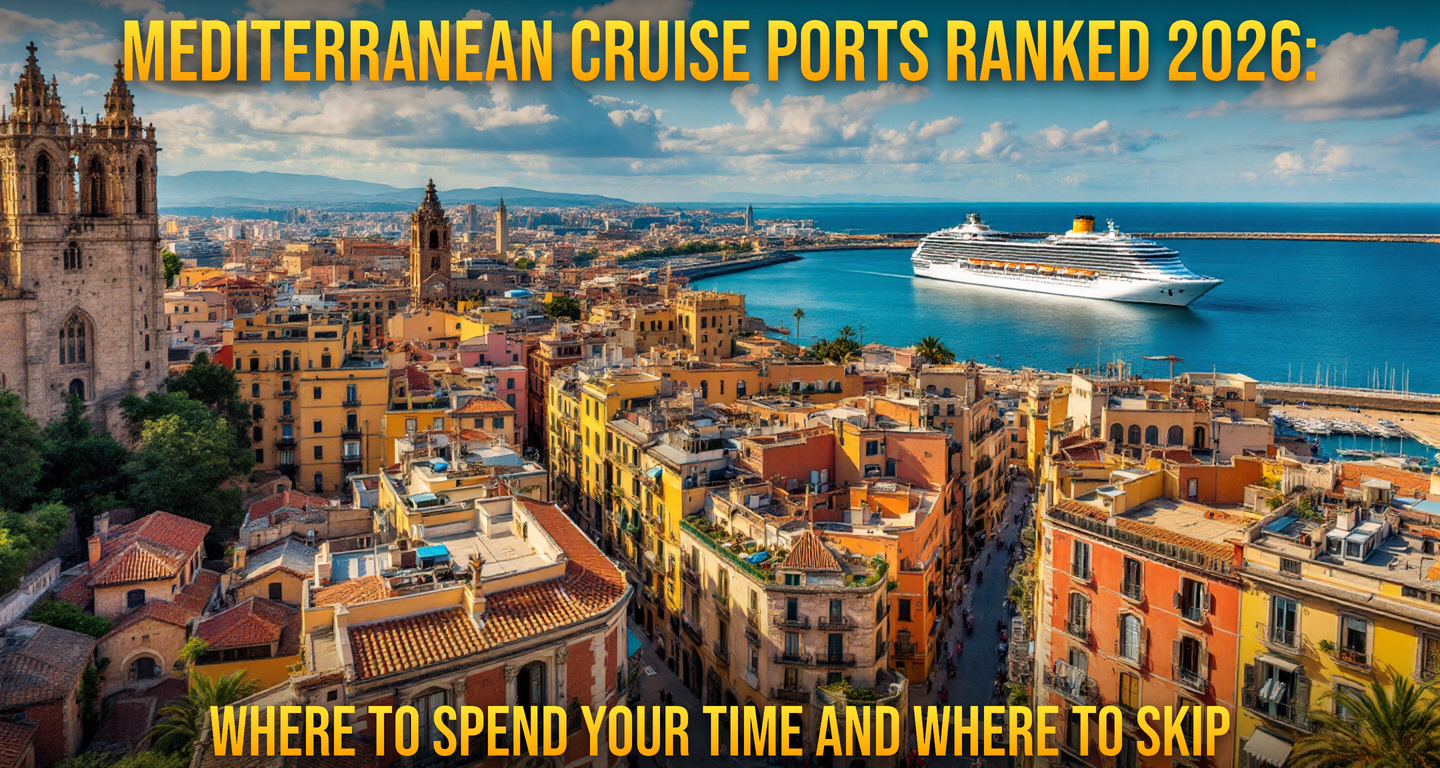
The Mediterranean is a mixed bag. You get iconic destinations, but you also get overcrowded tourist traps where you'll fight 5,000 other cruisers for a table at lunch. The trick is knowing where to actually linger and where 6 hours is plenty.
The A-Tier Ports: Worth Staying an Extra Day For
1. Barcelona, Spain
Barcelona consistently delivers. You get genuine culture, walkable neighborhoods, amazing food, and enough variety that you're not doing the same thing as the cruise ship masses.
What makes it work: The Gothic Quarter is actually accessible within 2-3 hours, Sagrada Familia is worth the line, and the seafront has changed dramatically since 2024. In 2026, the city has invested heavily in cruise passenger infrastructure without losing its edge.
Insider tip: Skip the official shore excursions entirely. Take the metro directly from the port (it's literally steps away) to Plaza Reial, grab a coffee, and explore on your own. You'll spend €15-20 instead of $80+ per person, and you'll see the real Barcelona that cruise lines don't show you.
Time needed: 8+ hours if you can swing it. Six hours works if you're strategic.
Reality check: The port is congested, and if your ship docks far out, you'll lose 30 minutes just walking to the city. Afternoon ports here are crowded; morning arrival is ideal.
2. Venice, Italy
Yes, Venice is mobbed with tourists. Yes, prices are inflated. But here's what I haven't found anywhere else: the experience of walking through actual medieval streets with genuine history every 50 meters. You won't find that in a guidebook; you have to feel it.
The secret to Venice is avoiding the main routes. Every cruise passenger starts at Piazza San Marco. Instead, head northwest immediately. You'll find smaller churches, local wine bars, and neighborhoods that feel untouched. St. Mark's Basilica is stunning, but go very early (7 AM if your ship allows) or skip it entirely.
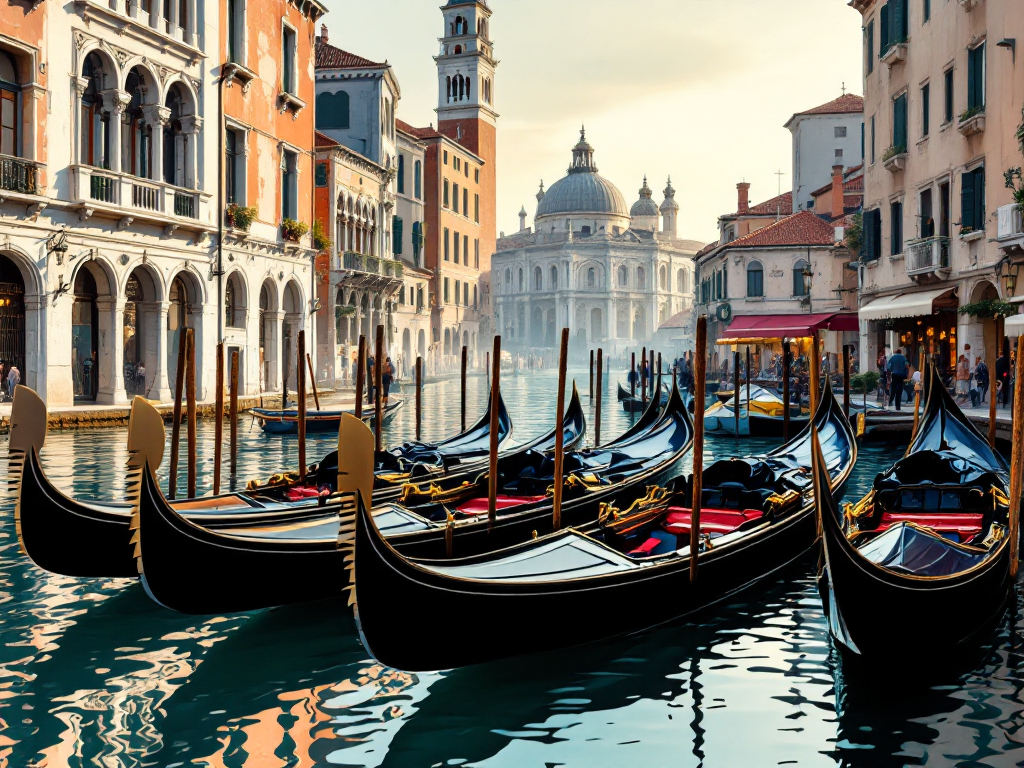
Insider tip: The vaporetto (water bus) day pass is €20 and gives you access to lagoon islands like Murano and Burano. These are touristy too, but way less than Venice proper, and the glassblowing and lace work are genuinely impressive. Most cruise passengers never go because they think they need to stay in the main city.
Time needed: Minimum 7-8 hours. Less than that and you're just in transit.
Reality check: Venice is sinking, prices feel unjust (€8 for an espresso), and yes, the crowds are real. But if you treat it as a once-in-a-lifetime destination rather than just another port, you'll understand why people keep coming back.
3. Civitavecchia/Rome, Italy
I recommend Rome over Florence on most Mediterranean itineraries because you get ancient history stacked on top of renaissance stacked on top of modern Italy. It's chaotic, but it's real.
Here's the honest part: Most cruise passengers either do a $150+ official excursion or don't go into Rome at all because it feels too complicated. Big mistake. The train from Civitavecchia port runs every 20 minutes, costs €3 each way, and drops you directly in downtown Rome.
Best strategy: Take the train (skip the shuttle buses—you'll waste 30 minutes), go straight to the Trevi Fountain (yes, it's touristy, but it's stunning), then head to the Pantheon (free entry, absolutely breathtaking), grab lunch in a neighborhood piazza, and call it done. You'll have had a better Rome experience than cruise passengers who paid $200 for a guided tour.
Insider tip: The Pantheon is free and less crowded mid-afternoon when tour groups are eating lunch. The Colosseum can be skipped on a port day—it's just a big pile of rocks if you're pressed for time, and the lines are brutal.
Time needed: 8+ hours absolute minimum. You need 2 hours for the train round-trip alone.
Reality check: Rome is overwhelming, pickpockets are real (I've seen wallets lifted in the Trevi Fountain crowd), and you'll move fast. That's fine. You're not settling in; you're tasting the city.
4. Palma de Mallorca, Spain
Palma doesn't get the hype that Barcelona does, but that's exactly why you should go there. The cathedral is stunning (seriously, one of the most beautiful I've seen), the old town is genuinely medieval, and the waterfront is Mediterranean in a way that feels authentic.
Most cruise passengers go to the beach clubs (Nikki Beach, Ushuaia, etc.), which are fine if you want to party, but you're missing the actual city.
Best strategy: Walk from the port (it's literally waterfront) into the old town, hit the cathedral, grab lunch at a local spot (not a tourist restaurant), and wander the narrow streets. This takes 4-5 hours and costs almost nothing compared to official tours.
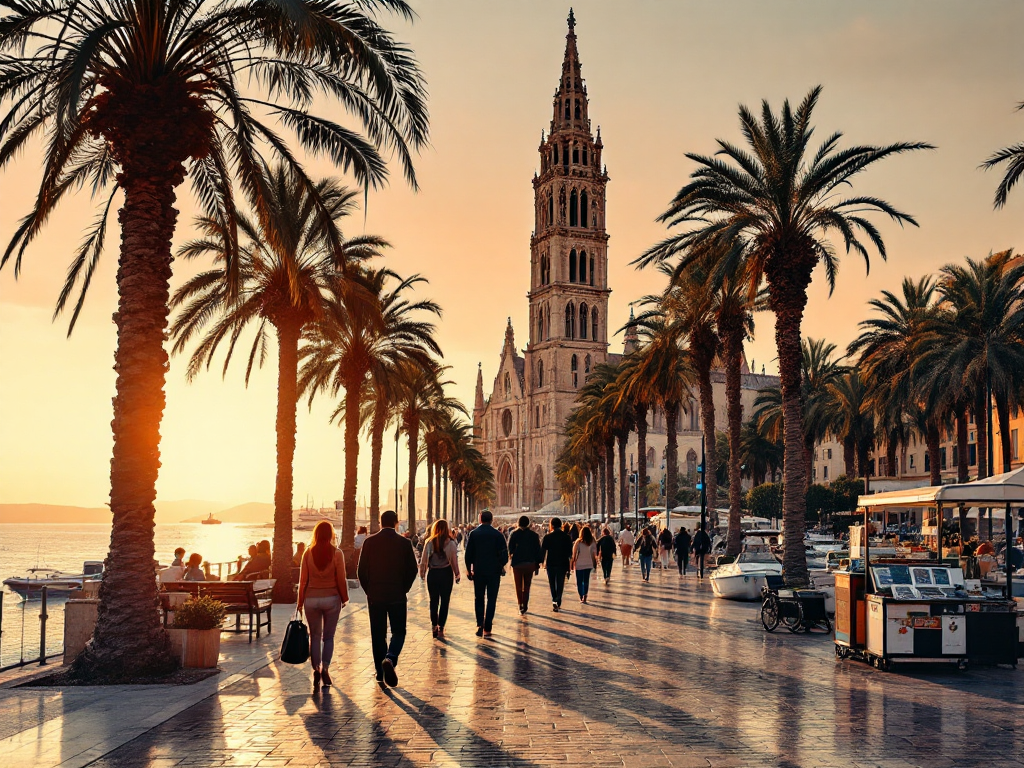
Insider tip: The Cathedral of Palma is currently undergoing restoration work that's expected to continue into 2026, but you can still see the exterior and visit parts of the interior. Check before you sail.
Time needed: 6-8 hours is solid. Less than 6 and you're rushing.
Reality check: Palma is a working city, not a museum. It's less polished than Barcelona, which is exactly why it feels real.
The B-Tier Ports: Good Options but Not Must-Do
5. Civitavecchia/Rome Alternative: Florence (Livorno)
Livorno puts you about 2 hours from Florence by train. Here's my honest take: Florence is less overwhelming than Rome, the Renaissance art is unmatched, and if you love museums, this is your port.
But here's the catch: Two hours of your port time goes to the train. That means for an 8-hour port, you've got 4 hours in Florence. That's enough to hit the Uffizi Gallery or the Duomo, but not both. Choose one and commit.
Insider tip: Skip the Uffizi if you're pressed for time—the lines are insane and the museum is massive. Hit the Duomo instead (the exterior is the real showstopper), climb the bell tower if you want the view, and grab lunch on the Arno. You'll see Florence's essence faster.
Time needed: 7-8 hours minimum (including train time).
Reality check: Florence is beautiful but crowded, and the train ride eats your port time. I'd rather spend 8 hours in nearby Portovenere and actually relax than rush to Florence.
6. Villefranche, France (French Riviera)
Villefranche is small, intimate, and gives you actual French Riviera vibes without the Monaco crowds. The beach is pebbled (not sand), the water is deep blue, and the town is walkable.
Best strategy: Walk around the harbor, have lunch at a waterfront café, maybe take a quick boat tour if you want, and relax. This port is about decompressing, not checking boxes.
Insider tip: Many ships anchor offshore rather than docking, which means you'll take a tender. Budget 30-45 minutes for that. Don't overplan this port—its value is in slowing down.
Time needed: 5-6 hours is perfect. This is a "chill day" port, not an action port.
Reality check: Villefranche is small, so if you're looking for adventure or nightlife, you won't find it here. But if you want to sit in a café, watch sailboats, and remember why Mediterranean cruising is special, you're in the right place.
7. Mykonos, Greece
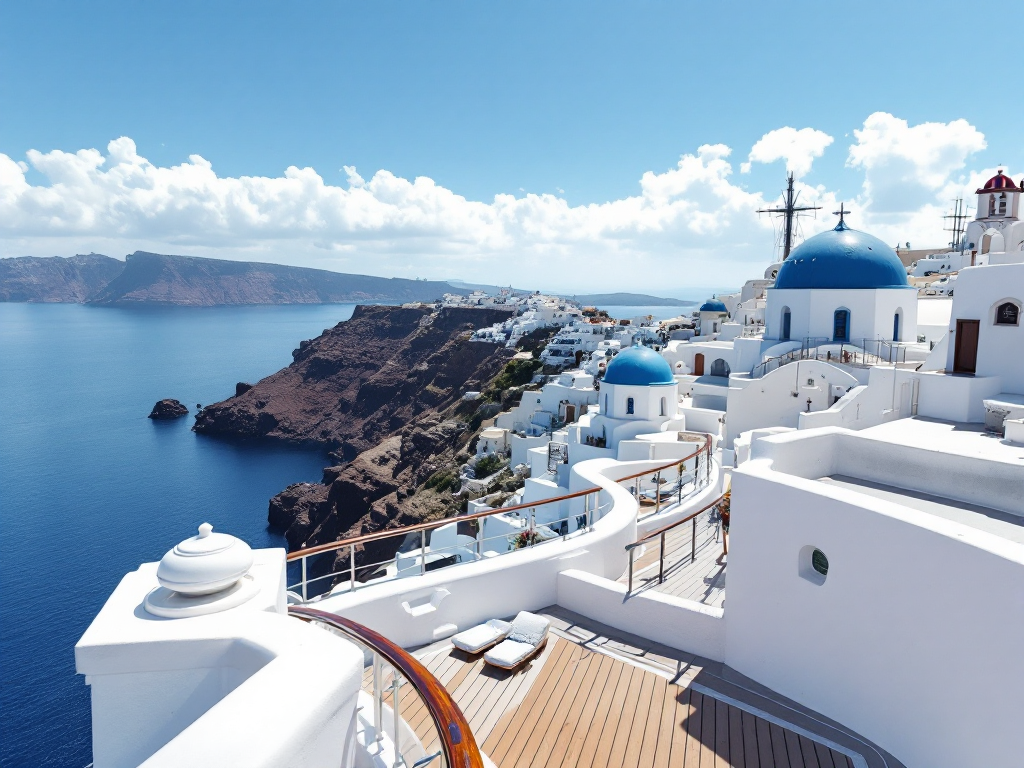
Mykonos is famous for nightlife and parties, which is totally valid if that's your scene. The island itself is photogenic—whitewashed buildings, blue domes, sunset views that are actually worth the Instagram hype.
Best strategy: If you party: hit the clubs at night (yes, your ship is in port for evening). If you don't: explore the town's shops and restaurants, walk to nearby beaches, and enjoy the views. You can't do both well in one port day.
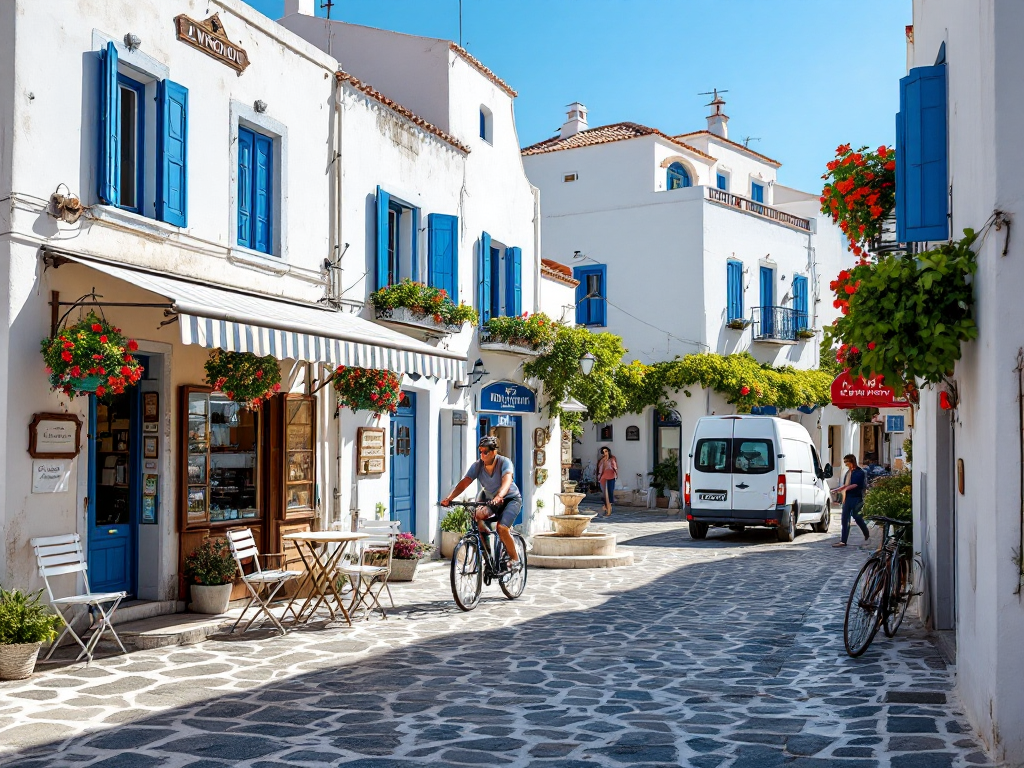
Insider tip: Mykonos is pricey. Budget accordingly. A casual lunch easily runs €20-30 per person. Drinks are €12-15 minimum. There are budget options if you look (souvlaki stands, local tavernas), but the island trades on its upscale reputation.
Time needed: 6-8 hours minimum. You need time to get to the town from the port, explore, and get back.
Reality check: Mykonos is touristy, crowded with cruise passengers, and overpriced. It's still beautiful and fun, but manage expectations. You're not finding hidden gems here; you're experiencing a famous destination as designed.
8. Santorini, Greece
Santorini is iconic for a reason. The caldera views are genuinely stunning, the sunsets are real, and the island has a unique geology that you feel as soon as you step ashore.
Here's the problem: Most ports dock in Thira, which puts you at the base of a massive cliff. You either take a cable car up (€6 one way, lines are brutal) or pay €15-20 for a donkey ride (yes, this is still happening and it's controversial). Once you're up top, you've got maybe 3-4 hours before you need to get back down.
Best strategy: Skip the cable car lines. Instead, take a local ferry (schedules vary) from Thira to nearby volcanic islands like Nea Kameni or Palea Kameni. You'll get volcanic swimming, fewer cruise passengers, and a completely different experience. This works if you're organized and your ship is in port for at least 8 hours.
Alternatively, if your ship stops at Skala (rare but it happens), the port is much less crowded and you can actually explore without fighting crowds.
Insider tip: Sunset in Santorini is real and worth it, but only if you have an evening port (some itineraries do). If you're docked during the day, skip the sunset expectations and focus on swimming and exploring.
Time needed: 8+ hours minimum. Less than that and you're just standing in cable car lines.
Reality check: Santorini is beautiful but extremely crowded with cruise passengers. The island has actually limited cruise ship arrivals in recent years because of overtourism. Sunset views are amazing but come with 2,000 other people. Go in early mornings or explore the quieter parts of the island.
The C-Tier Ports: Hit-or-Miss Depending on Your Interests
9. Naples, Italy
Naples puts you close to Pompeii (which is genuinely worth seeing once), but it's also chaotic, slightly sketchy, and the official tours are expensive.
Best strategy: If Pompeii interests you, book the tour or take the train independently. The train is simple and cheap. If ancient ruins don't move you, skip this port entirely—there are better uses of your time in the Mediterranean.
Reality check: Naples the city is rough around the edges. Most cruise passengers just use it as a gateway to Pompeii. That's honest and fine.
10. Katakolon, Greece (for Olympia)
Katakolon is tiny and exists solely because it's close to ancient Olympia. If ancient Greek history is your thing, this is worth your time. If not, skip it—there's nothing in Katakolon itself.
Best strategy: The town of Olympia is about 1 hour away by shuttle or train. You'll need 5-6 hours minimum (including travel time). It's worth it if you're genuinely interested in seeing where the Olympics began.
Reality check: Olympia is archaeological, not comfortable. You're walking through ruins in the heat, reading plaques, and imagining what stood there 2,000 years ago. Beautiful for history nerds, boring for everyone else.
The Ports to Skip (or Minimize)
Cannes, France
Cannes is glamorous in your imagination. In reality, it's a shopping strip with celebrity yacht porn that you can only enjoy by looking. The beaches are rocky and packed, and the town doesn't have enough substance for a full port day unless you're specifically there to shop or see the Palais des Festivals (where the Film Festival happens, not in your typical cruise season).
Honest take: If Cannes is one port among many, fine. Don't build your itinerary around it.
Kusadasi, Turkey
Kusadasi is offered as a gateway to Ephesus, which is genuinely impressive ancient ruins. But the town itself is aggressively touristy, the Grand Bazaar is a souvenirs-and-knockoffs fest, and if you're not going to Ephesus, there's zero reason to be here.
If you are going to Ephesus, book the tour or go independently. It's worth a few hours. But don't expect the port day to be about the port—it's entirely about the excursion.
Rhodes, Greece
Rhodes has historical significance (the Knights of St. John built some incredible architecture here), but it's been so tourist-ified that it's hard to find authenticity. The old town is all shops and restaurants designed for cruise passengers. The beaches are fine but crowded.
Best strategy: If you want beach and relaxation, better ports exist. If you want history, Santorini, Mykonos, or Crete offer more impact.
Reality check: Rhodes is fine but not essential. It's a skip if you're time-constrained.
How to Maximize Your Mediterranean Port Time
- Book independent excursions. I've written extensively about how cruise line shore excursions mark up prices 2-3x. Research local tour operators and book directly. You'll save $50+ per person and often get better experiences.
- Learn where ports actually dock. Some Mediterranean ports anchor offshore, which means 30-45 minutes lost to tender boarding. Know this before you book. An 8-hour port with a tender situation is really 7 hours of actual time.
- Skip the super-crowded times. Ports that are already mobbed (Barcelona, Venice, Santorini) are even worse when your ship is one of five in port. Check the port schedules before you book if you can.
- Embrace the slow. The Mediterranean isn't about checking boxes. One long lunch with wine overlooking the water beats five rushed museum visits. Plan your port days accordingly.
- Use public transportation. Trains, metros, and local buses are cheap, fast, and give you street-level access that you don't get on a tour bus. Learn the systems as soon as you board.
- Go early or late. If you want to experience a port without fighting crowds, get there before 9 AM or after 4 PM. This requires coordination with your ship, but it's worth it.
- Don't do every port. Seriously. If your itinerary has 8 ports and you're exhausted by port 5, it's okay to stay on the ship, use the pool, and rest. I've taken some of my best Mediterranean days not leaving the ship.
The Bottom Line
The Mediterranean offers some of the most beautiful, historically rich ports in the world. But it's also wildly crowded, expensive, and easy to feel disappointed if your expectations are wrong.
My advice: Be selective. Choose 2-3 ports that genuinely excite you and commit to those. Minimize the others. Spend more time fewer places. And absolutely resist the urge to do official shore excursions unless you have a specific reason.
The Mediterranean rewarded me most when I stopped treating it like a checklist and started treating it like a place I actually wanted to understand.
Share your Mediterranean port experiences and get recommendations from experienced cruisers in the CruiseVoices Global Destinations forum!