

Sofia_Reyes
Moderator
The Real Story About Roughness on the LA-Hawaii Route
Let me be straight with you: the sailing from Los Angeles to Hawaii can be rough, but it's not guaranteed to be. I've done this crossing 8 times in the past decade, and I've experienced everything from glassy-smooth conditions to days where I genuinely couldn't walk without holding onto railings. The difference? A lot depends on timing, weather patterns, and honestly, which side of the ship you're on.
Here's what you need to know before you book.
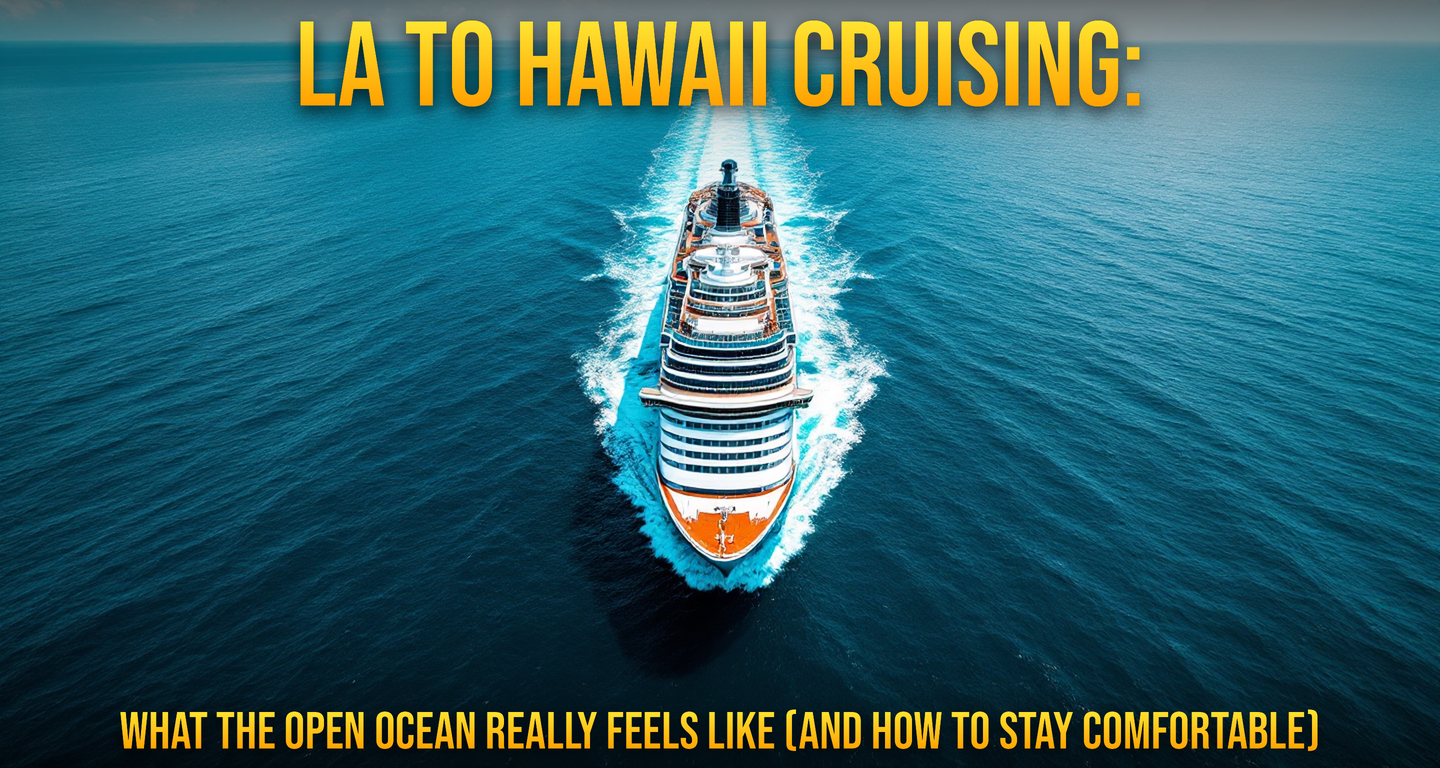
Why This Route Can Get Choppy
The LA-to-Hawaii crossing is roughly 10-14 days depending on which Hawaiian islands you're visiting. You're sailing across open Pacific water with virtually no land to break up the wave patterns. That means whatever weather system is moving through the Pacific isn't being dampened by coastlines or shallow water — it's coming at you full force.
The route typically takes you northwest from Long Beach or San Diego, crosses over the deepest part of the Pacific, and then approaches the Hawaiian islands from the northeast. During winter months (November through March), you're more likely to encounter North Pacific swells and storm systems. Summer crossings are typically calmer, though not always.
The real culprit isn't always what you think. Yes, big waves matter. But the problem that actually bothers most cruisers is the constant rolling motion — not dramatic pitching, but a side-to-side sway that can feel relentless for days. That happens because the ship crosses over multiple swell patterns at different angles, creating a corkscrew-like motion that's harder on your stomach than a single large wave would be.
What "Rough" Actually Means on Modern Cruise Ships
I want to set expectations realistically. On a mega-ship like the Royal Caribbean Oasis-class (Icon, Harmony, Wonder of the Seas), you're riding a 230,000-ton stabilized vessel with advanced gyroscopic systems. You're not going to experience the kind of rough sailing your grandparents did.
- Day 1-2 out of LA: Usually smooth. You're in Southern California coastal waters, and the ship hasn't hit open ocean yet.
- Days 3-5: This is where it typically gets interesting. You're now fully in the Pacific, and if weather is moving through, you'll feel it. Expect 8-15 foot swells, occasional pitching, and that rolling motion I mentioned.
- Days 6-8: Hit or miss. Sometimes it calms down as you approach the islands; sometimes it stays active.
- Days 9-10 approaching Hawaii: Usually calms down noticeably as you enter Hawaiian waters.
What does this feel like in real terms? On moderate days, you notice the motion — drinks might slide on tables if not in cup holders, and walking feels slightly off-balance. On rougher days, you're definitely aware you're on a ship. You might feel queasy, particularly if you're in an interior cabin or lower decks where motion is more pronounced. But on a modern stabilized ship, it's rare to experience what I'd call genuinely dangerous rough seas on this route.
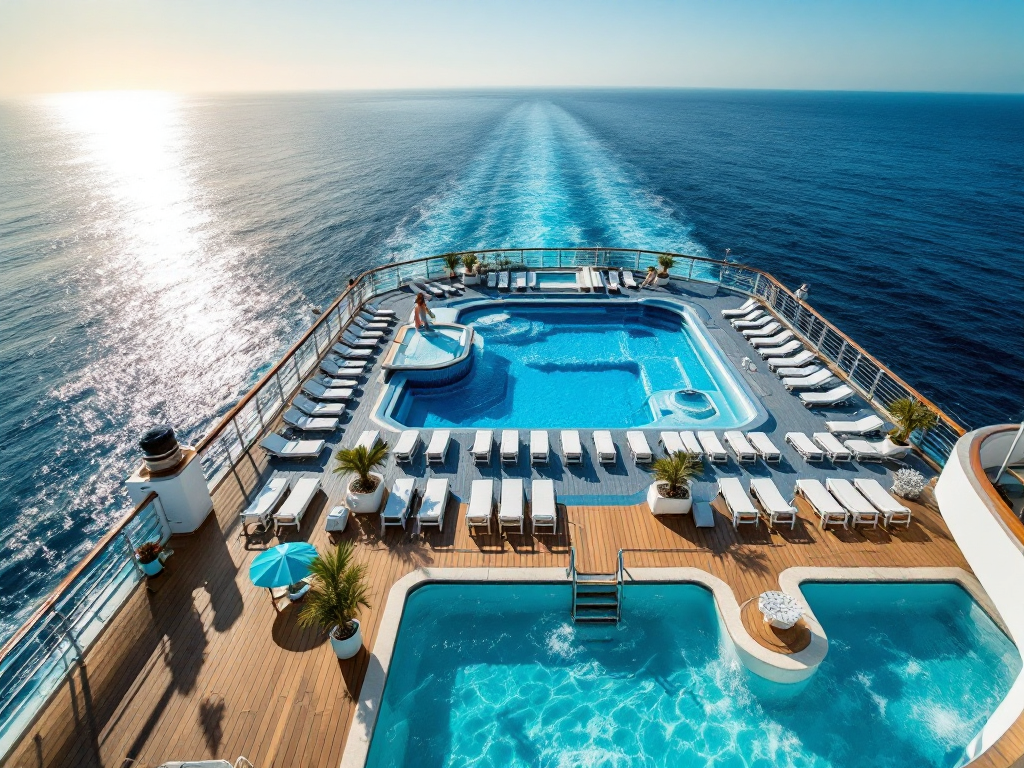
The Cabin Location Game Matters More Than You Think
Here's an insider tip: where you're sleeping can make the difference between a comfortable crossing and a miserable one.
Worst locations for rough seas: Interior cabins on decks 2-4. You're in the most motion-intensive part of the ship, and without windows, you lose your visual reference point for the horizon — which your brain actually needs to maintain balance. Forward-facing cabins on the bow amplify pitching motion. Aft cabins near the engines can feel constant vibration.
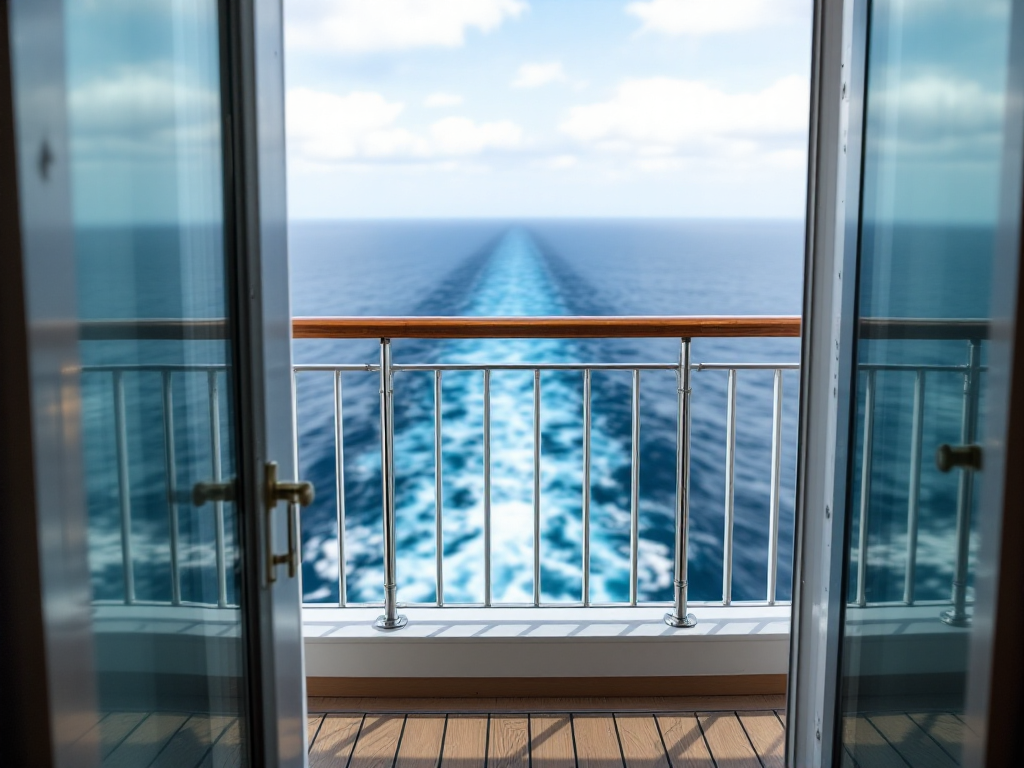
Best locations: Midship cabins on decks 6-9 (above the waterline, near the ship's center of gravity where motion is minimal). Balcony cabins are genuinely better for rough seas because you have visual reference to the horizon. You'll feel the motion, but your body processes it better.
During my roughest crossing in 2023 on the Celebrity Eclipse, I was in a forward-facing lower deck cabin and felt genuinely queasy. I've since learned to pay extra for a midship balcony, and the difference is night-and-day.
Pre-Cruise Prep That Actually Works
You can't control the weather, but you can control how your body responds:
- Ginger supplements: Start these 2-3 days before departure. The evidence is solid — ginger genuinely helps with nausea. I take 1,000mg daily when I know I'm facing rough seas.
- Dramamine or Bonine: The non-drowsy Bonine is better than original Dramamine if you want to function during sea days. Take it proactively, not after you're already queasy.
- Acupressure bands: These wristbands apply pressure to the P6 pressure point. They're inexpensive and genuinely helped me on two separate rough crossings. No side effects.
- Proper hydration: This sounds simple, but dehydration makes motion sickness worse. Drink more water than you think you need.
- Skip heavy breakfasts: On rough-sea days, eat light, bland foods — nothing greasy. Your stomach will thank you.
- Strategic Dramamine timing: If you take it, take it before you feel sick, then take a second dose 8 hours later. Once you're already nauseous, it's too late.
What Happens if It Gets Really Rough
I've been on three sailings where the captain made announcements about "rough sea conditions." This is actually rarer than you'd think. When it happens, you'll notice:
- The captain issues a formal notice
- They may adjust speed or course slightly
- Pools close (for safety, not comfort)
- Formal dining and deck parties might be rescheduled
- Elevators can feel squirrelly
- The buffet and specialty dining may have limited hours
In these situations, most cruisers just spend the day in their cabin watching movies, napping, or reading. It's not dangerous — it's just uncomfortable. The crew has seen it all before and handles it professionally.
On my worst crossing (December 2022), we hit 20-foot swells and 40-knot winds in the middle of the Pacific. Even that wasn't scary — it was just very obviously a day to stay inside and not fight the motion.
Timing Matters: When to Cruise LA-Hawaii
Rougher months (higher risk of swells and storms): November through March. Winter storm patterns create larger swell systems. This is particularly true in January-February.
Calmer months (better odds): April through October. Summer Pacific conditions are generally more stable. May through September are your smoothest bets.
That said, I've had perfectly smooth sailings in January and rough ones in June. Weather is weather. But if you're motion-sensitive, booking for summer gives you statistically better odds.

The Ship You Choose Actually Affects How You Feel
Newer, larger ships with advanced stabilization systems handle rough seas better than older or smaller vessels. Here's the reality:
- Royal Caribbean Oasis-class ships (Icon, Wonder, Harmony, Oasis, Allure): 230,000+ tons, cutting-edge stabilizers. You'll feel motion less.
- Disney Dream/Fantasy: Smaller (130,000 tons), but newer stabilization. More motion than mega-ships, but well-designed.
- Celebrity Millennium-class: 90,000+ tons, good stabilizers, but noticeably more motion than mega-ships.
- Norwegian Epic/Getaway: Decent stabilizers, but these ships are more affected by rough seas than the newest vessels.
If you're genuinely concerned about rough water, book on a mega-ship. Yes, they're larger and more crowded, but the engineering difference is real. You genuinely feel less motion.
The Bottom Line
The LA-to-Hawaii crossing CAN get rough, especially in winter, but on a modern cruise ship with proper preparation, it's manageable. Most cruisers experience 1-2 days of noticeable motion and the rest of the crossing is comfortable. Honestly? After 40+ cruises, I find the experience more annoying than unpleasant — and that's from someone who used to get genuinely seasick.
The key is choosing the right cabin (midship balcony), taking preventive medication, and knowing that even "rough" days on a modern cruise ship are still infinitely better than being seasick in a small boat.
Ready to Book Your Hawaii Cruise?
Our Hawaii Ports community forum is full of experienced cruisers who share detailed reports about specific sailings, current weather patterns, and real reviews of cabin locations on the LA-Hawaii route. Share your concerns and get honest feedback from people who've done this crossing recently.
When you're ready to search for your LA-Hawaii sailing, our AI concierge can help you find the perfect ship, cabin location, and sailing dates — all while comparing prices across 40+ cruise lines. Let's get you booked for smooth sailing (or at least the smoothest possible).
Share your rough-sea stories and cabin recommendations in our Hawaii Ports forum — we'd love to hear what worked (and didn't work) for you!