

You've probably seen those viral videos of cruise ships battling massive waves during hurricanes, and I'll be honest—they're terrifying to watch. As someone who's sailed through Caribbean hurricane season multiple times, I get why these clips make you question whether it's safe to cruise from June through November. But here's what those dramatic videos don't show you: the incredible technology and protocols that prevent 99.9% of ships from ever encountering storms like that.
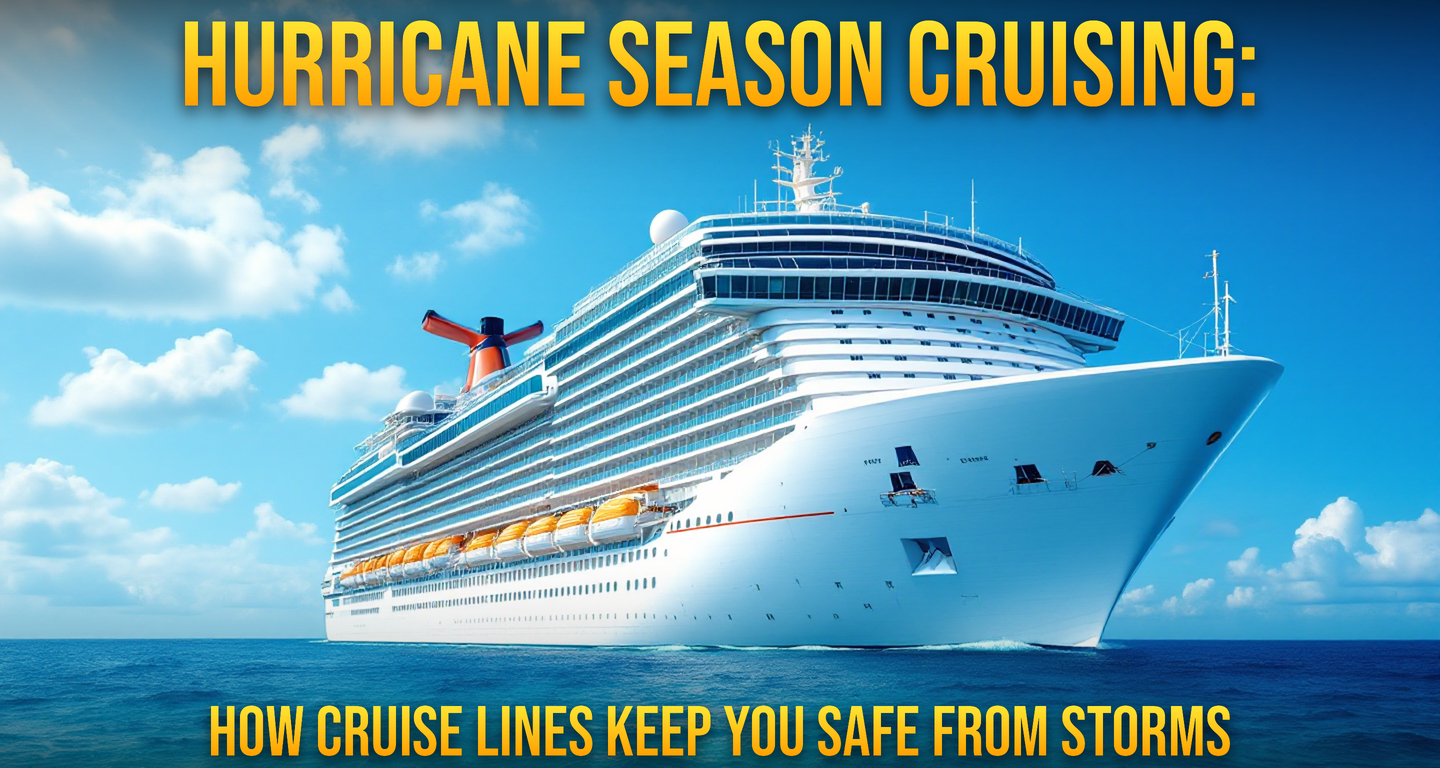
Let me put those viral storm videos in perspective. I've been tracking cruise incidents for over a decade, and the handful of ships that have encountered severe weather represent a tiny fraction of the thousands of sailings during hurricane season. When Norwegian Breakaway sailed through winter storm Grayson in 2018, it made headlines precisely because it was so unusual—and led to major changes in how cruise lines handle weather routing.
The reality? Modern cruise operations are designed to avoid storms entirely, not power through them. Those dramatic encounters you see online are typically older incidents or rare situations where multiple storms limited routing options.
Here's where cruise technology gets impressive. Royal Caribbean's Fleet Operations Center in Miami employs full-time meteorologists who monitor weather patterns 24/7 using satellite data, numerical weather models, and direct communication with the National Hurricane Center. I've toured their facility—it looks like mission control, with massive screens tracking every storm in real time.
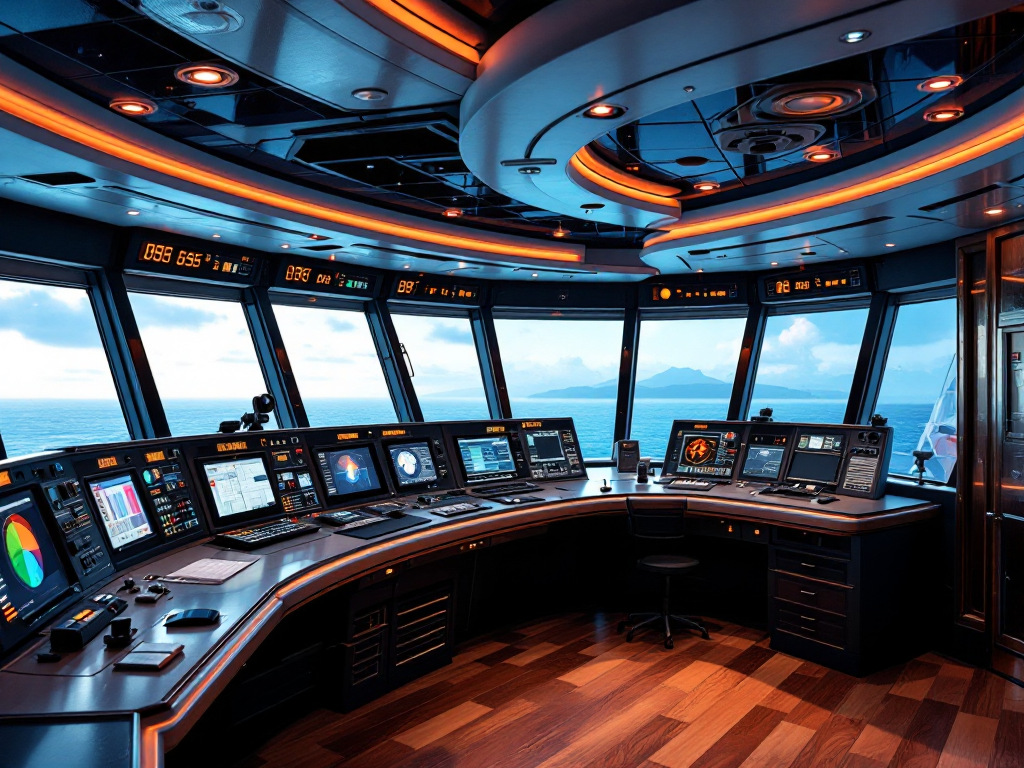
Celebrity Cruises and other major lines use similar setups. They're not just checking weather.com like the rest of us. These operations centers receive specialized maritime forecasts that predict wave heights, wind patterns, and storm tracks up to seven days in advance. That's crucial lead time that allows ships to completely change course.
The key advantage cruise ships have over land-based resorts? They can literally sail away from danger. While hotels in Cancun or Miami have to hunker down and ride out storms, your cruise ship can be 500 miles away in calm waters.
I've experienced itinerary changes on four different cruises due to tropical weather, and here's the typical sequence of events:
On my September 2023 sailing on Harmony of the Seas, Hurricane Lee forced us to skip Barbados and St. Lucia in favor of Aruba and Curacao. Were we disappointed? Sure. But we never felt unsafe, and those alternative ports were actually fantastic.
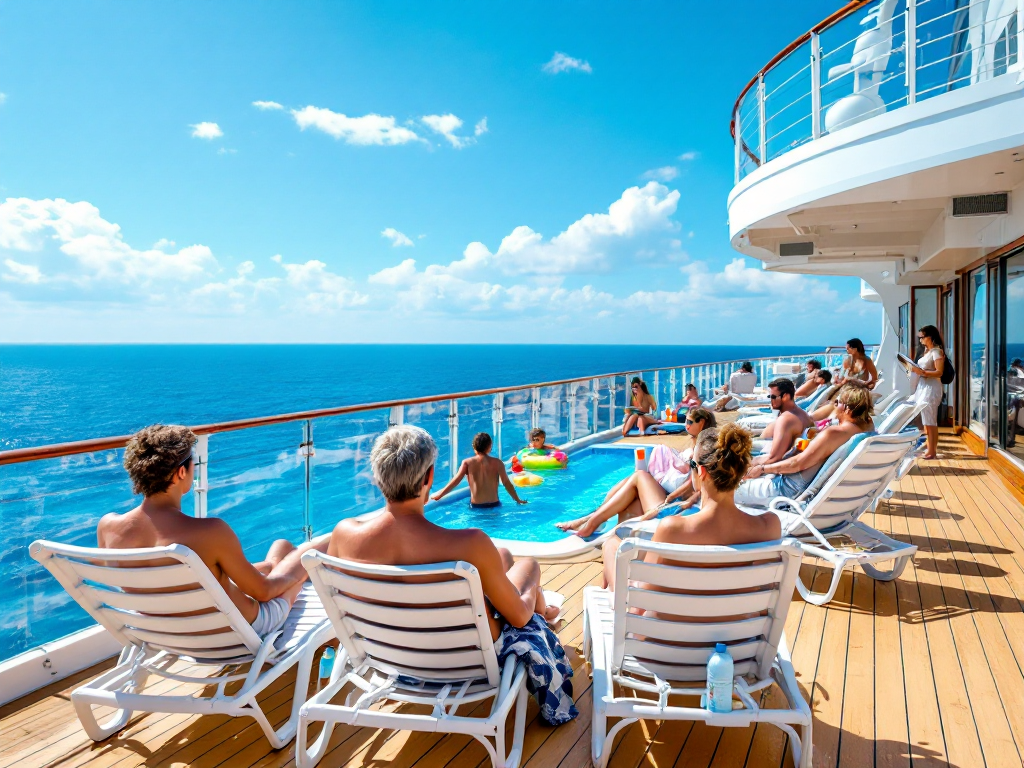
Even when ships encounter rougher seas (not hurricanes—just normal ocean swells), today's vessels are engineering marvels. The newest ships like Icon of the Seas have advanced stabilizer systems that extend up to 20 feet from each side of the hull, acting like underwater wings to counteract rolling motion.
I've sailed on older ships like Carnival's Fantasy-class vessels and newer giants like Norwegian Prima, and the difference in stability is remarkable. The newer ships barely feel like they're moving, even in 8-10 foot swells that would have older vessels rocking noticeably.
Key safety features on modern cruise ships:
Let's be honest about what hurricane season cruising actually involves. Your biggest "risk" isn't safety—it's itinerary disappointment. Here's what you should realistically expect:
Likely scenarios:
Extremely rare scenarios:
I always recommend cruise insurance during hurricane season, but not because I'm worried about safety—I want coverage for the inevitable flight delays and potential missed ports. Travel Guard and Allianz both offer "Cancel for Any Reason" policies that give you flexibility if you're nervous about weather forecasts.
Here's insider knowledge from my 40+ cruises: not all hurricane season months are created equal. June and July are typically fantastic for cruising—storms are rare and prices are lower. August through October is peak hurricane season, when you're most likely to see itinerary changes.
But even during peak season, the vast majority of cruises sail without weather issues. In September 2022—one of the most active hurricane seasons on record—Royal Caribbean completed over 95% of their scheduled Caribbean sailings.
If you're particularly weather-anxious, consider these lower-risk hurricane season options:
After sailing through multiple hurricane seasons, here's my practical advice for hurricane season cruising:
Essential preparations:
Don't let those dramatic hurricane videos scare you away from some of the year's best cruise deals. Hurricane season cruising can offer incredible value—I've scored balcony cabins for interior prices in September—and the weather is often perfect.
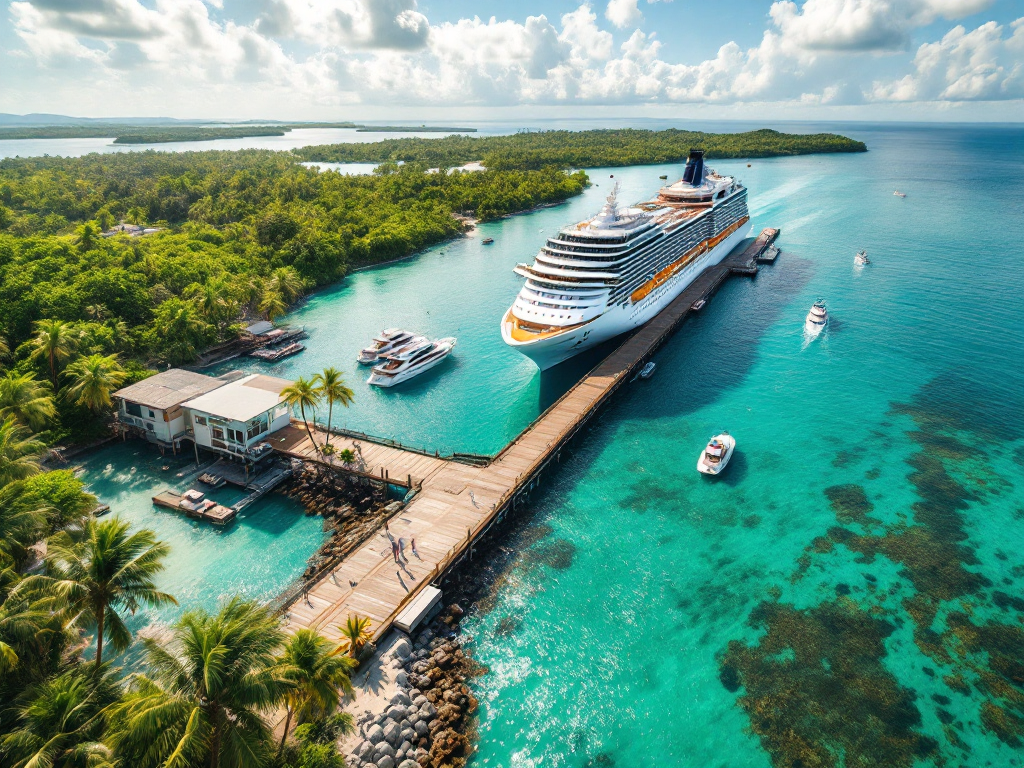
The bottom line? Modern cruise ships don't fight hurricanes—they avoid them entirely. Your biggest challenge won't be safety; it'll be staying flexible when your dream of snorkeling in St. John becomes a day exploring Roatan instead.
Have specific questions about hurricane season cruising or want to share your own weather-related cruise experiences? Join the discussion in our Insurance & Travel Documents forum where experienced cruisers share real-world advice about weather planning and travel protection strategies.
The Truth About Those Scary Hurricane Videos
Let me put those viral storm videos in perspective. I've been tracking cruise incidents for over a decade, and the handful of ships that have encountered severe weather represent a tiny fraction of the thousands of sailings during hurricane season. When Norwegian Breakaway sailed through winter storm Grayson in 2018, it made headlines precisely because it was so unusual—and led to major changes in how cruise lines handle weather routing.
The reality? Modern cruise operations are designed to avoid storms entirely, not power through them. Those dramatic encounters you see online are typically older incidents or rare situations where multiple storms limited routing options.
How Cruise Lines Actually Track and Avoid Hurricanes
Here's where cruise technology gets impressive. Royal Caribbean's Fleet Operations Center in Miami employs full-time meteorologists who monitor weather patterns 24/7 using satellite data, numerical weather models, and direct communication with the National Hurricane Center. I've toured their facility—it looks like mission control, with massive screens tracking every storm in real time.
Celebrity Cruises and other major lines use similar setups. They're not just checking weather.com like the rest of us. These operations centers receive specialized maritime forecasts that predict wave heights, wind patterns, and storm tracks up to seven days in advance. That's crucial lead time that allows ships to completely change course.
The key advantage cruise ships have over land-based resorts? They can literally sail away from danger. While hotels in Cancun or Miami have to hunker down and ride out storms, your cruise ship can be 500 miles away in calm waters.
What Really Happens When Hurricanes Threaten Your Itinerary
I've experienced itinerary changes on four different cruises due to tropical weather, and here's the typical sequence of events:
- 5-7 days before departure: If a storm threatens your route, you'll get an email about potential itinerary changes
- 2-3 days before: Confirmed changes are announced, usually involving port substitutions
- During the cruise: Additional adjustments might happen, but always to avoid weather
- Common changes: Eastern Caribbean becomes Western Caribbean, or you get extra sea days instead of risky ports
On my September 2023 sailing on Harmony of the Seas, Hurricane Lee forced us to skip Barbados and St. Lucia in favor of Aruba and Curacao. Were we disappointed? Sure. But we never felt unsafe, and those alternative ports were actually fantastic.
Modern Ship Safety Technology That Keeps You Comfortable
Even when ships encounter rougher seas (not hurricanes—just normal ocean swells), today's vessels are engineering marvels. The newest ships like Icon of the Seas have advanced stabilizer systems that extend up to 20 feet from each side of the hull, acting like underwater wings to counteract rolling motion.
I've sailed on older ships like Carnival's Fantasy-class vessels and newer giants like Norwegian Prima, and the difference in stability is remarkable. The newer ships barely feel like they're moving, even in 8-10 foot swells that would have older vessels rocking noticeably.
Key safety features on modern cruise ships:
- Dual fin stabilizers that adjust automatically to sea conditions
- Reinforced hulls rated for severe weather (though they avoid it)
- Multiple backup navigation and communication systems
- Specialized bridge teams trained in storm avoidance protocols
The Real Risks of Hurricane Season Cruising (And How to Manage Them)
Let's be honest about what hurricane season cruising actually involves. Your biggest "risk" isn't safety—it's itinerary disappointment. Here's what you should realistically expect:
Likely scenarios:
- Port changes (happens on about 15% of hurricane season cruises)
- Delayed embarkation or return (affects roughly 5% of sailings)
- Extra sea days instead of port visits
- Longer sailing routes to avoid weather
Extremely rare scenarios:
- Cancelled cruises (less than 1% of scheduled sailings)
- Rough seas affecting ship operations
- Emergency port changes mid-cruise
I always recommend cruise insurance during hurricane season, but not because I'm worried about safety—I want coverage for the inevitable flight delays and potential missed ports. Travel Guard and Allianz both offer "Cancel for Any Reason" policies that give you flexibility if you're nervous about weather forecasts.
Which Hurricane Season Months Are Actually Problematic
Here's insider knowledge from my 40+ cruises: not all hurricane season months are created equal. June and July are typically fantastic for cruising—storms are rare and prices are lower. August through October is peak hurricane season, when you're most likely to see itinerary changes.
But even during peak season, the vast majority of cruises sail without weather issues. In September 2022—one of the most active hurricane seasons on record—Royal Caribbean completed over 95% of their scheduled Caribbean sailings.
If you're particularly weather-anxious, consider these lower-risk hurricane season options:
- Western Caribbean itineraries (typically less storm activity)
- Southern Caribbean routes starting from San Juan
- Bermuda cruises from New York (different storm patterns)
- Alaska or Mediterranean cruises (completely outside hurricane zones)
What to Pack and How to Prepare
After sailing through multiple hurricane seasons, here's my practical advice for hurricane season cruising:
Essential preparations:
- Pack medications for an extra 2-3 days in case of delays
- Bring motion sickness remedies even if you don't usually need them
- Download offline entertainment in case sea days get extended
- Have flexible shore excursion plans—book through the ship for easier changes
- Consider packing for different climates if ports might change
Don't let those dramatic hurricane videos scare you away from some of the year's best cruise deals. Hurricane season cruising can offer incredible value—I've scored balcony cabins for interior prices in September—and the weather is often perfect.
The bottom line? Modern cruise ships don't fight hurricanes—they avoid them entirely. Your biggest challenge won't be safety; it'll be staying flexible when your dream of snorkeling in St. John becomes a day exploring Roatan instead.
Have specific questions about hurricane season cruising or want to share your own weather-related cruise experiences? Join the discussion in our Insurance & Travel Documents forum where experienced cruisers share real-world advice about weather planning and travel protection strategies.
Last edited: