

Chloe_Banks
Moderator
Hawaii's Ocean Temperature Reality
You're dreaming about swimming in Hawaii's crystal-clear waters during your cruise, right? I get it—I've done 40+ cruises, and the tropical ocean is one of the best parts of the experience. But here's what you need to know: Hawaii's water temperature varies dramatically by month, and "warm enough" is different for everyone.
After multiple Hawaii cruises starting from Los Angeles, I've learned that water temperature isn't just a number—it affects whether you'll actually enjoy snorkeling, swimming off the ship, or taking water sports excursions. Let me break down exactly what you're looking at, month by month, so you can plan accordingly.
The Water Temperature by Month: Real Numbers
January through March: 76–79°F
This is Hawaii's "winter," but don't let that fool you. 76°F might sound warm when you're reading this at home, but when you're submerged for 30 minutes snorkeling, it gets chilly. I've done Kona and Maui cruises in February, and I saw plenty of people reach for wetsuits. Your body loses heat in water much faster than in air, even at this temperature.
Pro tip: If you're cruising in early 2026 (January–March), pack a thin wetsuit (1–2mm) or a rash guard. You'll see experienced snorkelers wearing them, and it's not because they're cold-sensitive—it's smart planning.
April through May: 79–81°F
This is the sweet spot for many cruisers. The water is warming up, but the air is still pleasant (not scorching yet). I've done several May Hawaii cruises, and this is when you'll see the most people in the water without wetsuits. It's comfortable for most swimmers, though if you're in the water for extended periods, you might still want a rash guard for sun protection anyway.
June through August: 82–84°F
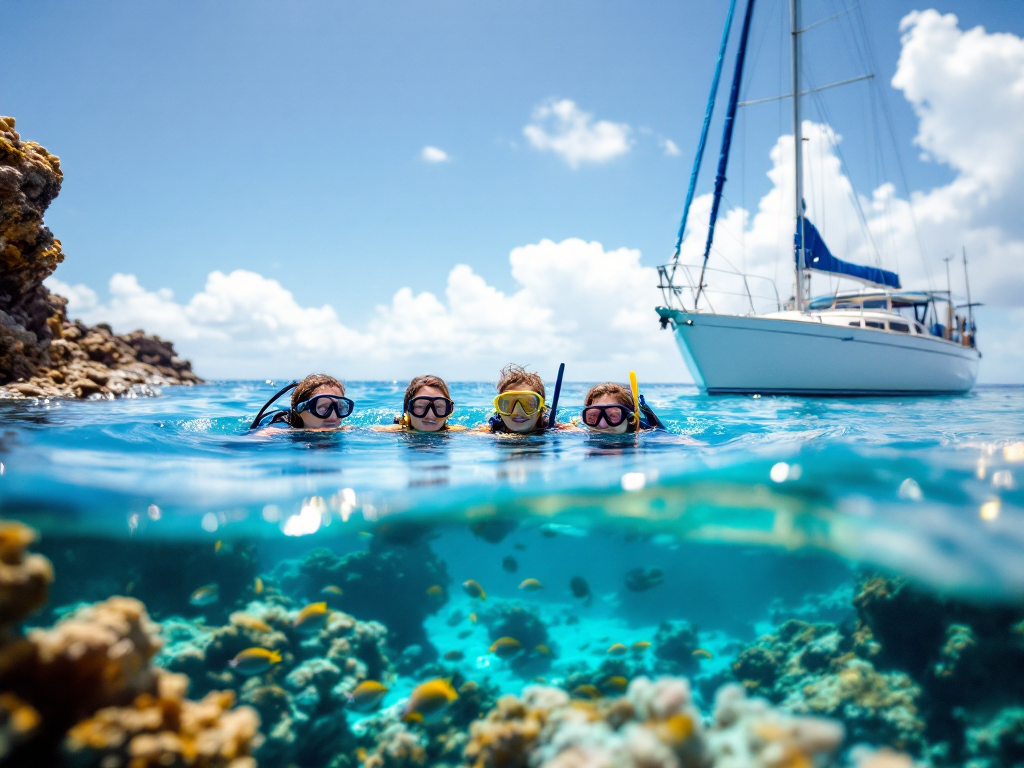
Now we're talking. This is peak swimming season in Hawaii from a water temperature perspective. 82–84°F feels genuinely warm, and you can spend hours snorkeling without discomfort. The trade-off? This is also peak cruise season, so ports are packed, and prices are higher. If you're flexible on timing, this is when the ocean wins.
September through October: 82–83°F
September technically has warmer water than August, but here's the insider secret: September is hurricane season. I'm not saying cruises get cancelled frequently, but itineraries do change, and you'll feel more swell in the ocean. October is safer and still warm. The water is as good as summer, but crowds start thinning out.
November through December: 79–82°F
This is my personal favorite window. The water is still warm enough for comfortable swimming, the weather is perfect (sunny but not brutally hot), and cruise prices are reasonable. December books up fast because of holiday break, but November? That's when smart cruisers go.
What "Warm Enough" Actually Means for Swimming
Here's what I've learned from 40+ cruises: water temperature tolerance is deeply personal.
- 76–78°F: You'll feel cold after 15–20 minutes. Some people are fine; others shiver immediately. This is wetsuit territory if you plan to snorkel for extended periods.
- 79–81°F: Comfortable for most people for 30–45 minutes. After that, you might start feeling the chill, especially if there's wind or you're not moving much.
- 82°F+: This is genuinely warm. Most people can swim and snorkel for hours without thinking about temperature.
Real example from my experience: On a January Kona cruise, I watched a 70-year-old woman in a full wetsuit snorkel for two hours and thoroughly enjoy herself, while a 25-year-old guy got out after 10 minutes claiming it was "freezing." Body composition, metabolism, and mental expectation matter as much as the actual temperature.
Wind, Swell, and the "Feels-Like" Temperature
Here's something cruise content doesn't always mention: the water's actual temperature is only part of the equation.
If you're getting out of the water and standing on a windy deck with wet hair, 79°F water can feel a lot colder than it is. I've had January cruises where a sunny morning with calm water felt 5 degrees warmer than a breezy afternoon with the same actual temperature.
Also: November–March brings more swell and chop to Hawaii. That doesn't change the water temperature, but it can affect where ships stop and which excursions are offered. A tender ride in rough water is less fun than a calm one, and some snorkel sites close on choppy days.
Your Wardrobe Strategy by Season
January–March (76–79°F)
Pack a rash guard or thin wetsuit. Seriously. You'll thank me. Most cruise ships sell basic rash guards onboard for $30–50, but they're overpriced for what you get. Bring your own.
April–May (79–81°F)
A rash guard for sun protection is smart. A wetsuit is optional—you'll see both.
June–August (82–84°F)
Rash guard recommended for sun protection, but wetsuit unnecessary unless you're extremely cold-sensitive.
September–October (82–83°F)
Same as summer. Just be aware of hurricane season implications.
November–December (79–82°F)
Rash guard or light wetsuit depending on your tolerance. This is the real "Goldilocks" zone for water conditions.
Shore Excursions and Water Sports by Temperature

Your water temperature affects which excursions are actually enjoyable:
Snorkeling: Works year-round, but more comfortable June–October. January–March requires mental preparation or a wetsuit.
Paddle boarding: You're mostly out of the water, so temperature is less critical. Still more pleasant June–October.
Surfing: Available year-round on Maui and the Big Island. Winter (January–March) actually has better waves, but water is cooler. Summer water is warmer but waves are smaller.
Swimming off the ship: Many ships offer morning "swim off the ship" excursions in ports like Kona. I've done these in February (cold but doable) and August (genuinely pleasant). Temperature definitely affects participation.
The Insider Secret: Ship Pools vs. Ocean
Here's something I always tell first-time Hawaii cruisers: don't assume you'll spend all your time in the ocean.
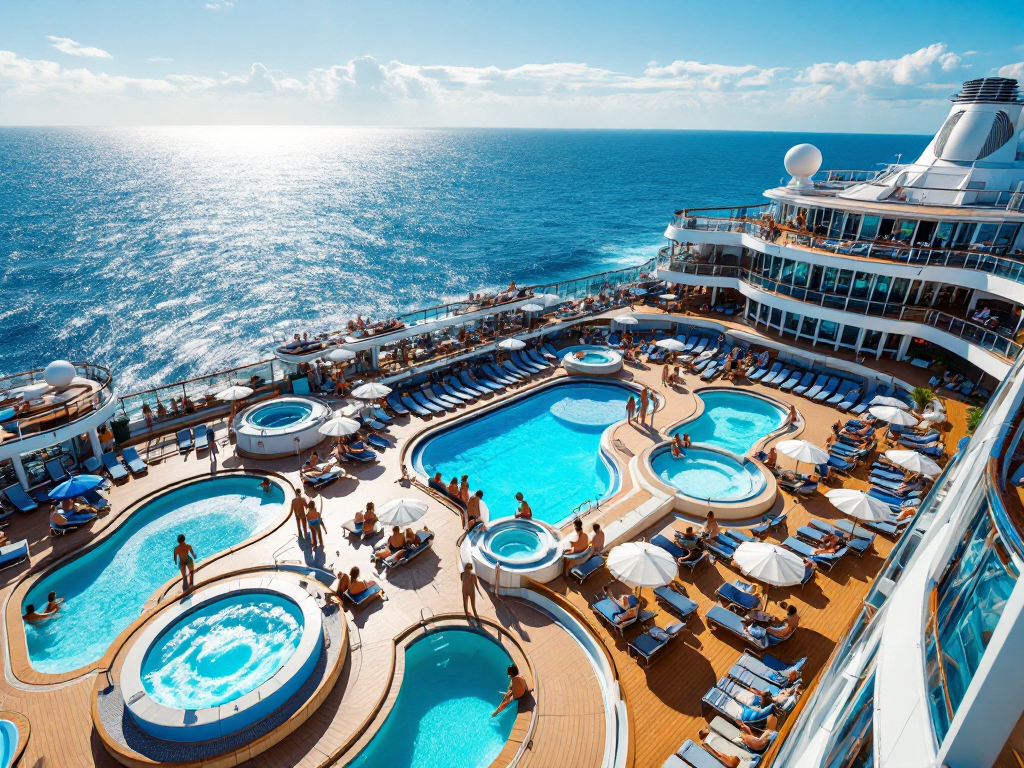
Your cruise ship has heated pools. They're comfortable year-round. If you cruise in January and the ocean feels chilly, you can absolutely have a great time swimming and relaxing on deck without ever touching the ocean. That's not settling—that's being realistic.
I've done Hawaii cruises where I spent more time in the ship's lido deck pool than the ocean, especially in winter months, and I still had an amazing time.
Booking Your Hawaii Cruise with Temperature in Mind
So what month should you choose? Here's my honest breakdown:
- Best water temperature: June–September (82–84°F)
- Best value: September–October or April–May
- Best overall experience (my personal pick): October–November (warm water, fewer crowds, good prices)
- If you must go in winter: Bring a wetsuit and manage expectations—it's still beautiful, just cooler
When you're ready to book, our AI concierge at CruiseVoices can help you explore itineraries across all the months I've mentioned and show you real pricing for 2026. You'll book and pay the same price whether you book directly with the cruise line or through us—but we handle flights, hotels, excursions, and travel insurance all in one conversation. That's a huge time-saver when you're planning a multi-day Hawaii cruise from the mainland.
Head over to our Hawaii Ports community forum and share your experiences—or ask specific questions about which months other cruisers recommend based on their own trips.
Final Thoughts
Hawaii's water is warm enough to swim in every single month of the year. The question isn't whether you can swim—it's whether you'll be comfortable swimming, and that depends on your tolerance, your timing, and your preparation. After 40+ cruises, I've learned that the best Hawaii cruise isn't always about hitting peak season. It's about knowing what to expect and packing accordingly.
Now get out there and book that Hawaii cruise. Join the conversation at CruiseVoices' Hawaii forum—we've got 50+ sections and growing community of cruisers who've been exactly where you are.