

Every time your cruise ship approaches a port, there's a maritime ballet happening that most passengers never see. A small boat races out to meet your massive vessel, and a highly trained professional performs one of the ocean's most dangerous maneuvers: boarding a moving cruise ship in open water. These are harbor pilots, and they're the reason your 150,000-ton floating city can safely navigate into ports around the world.
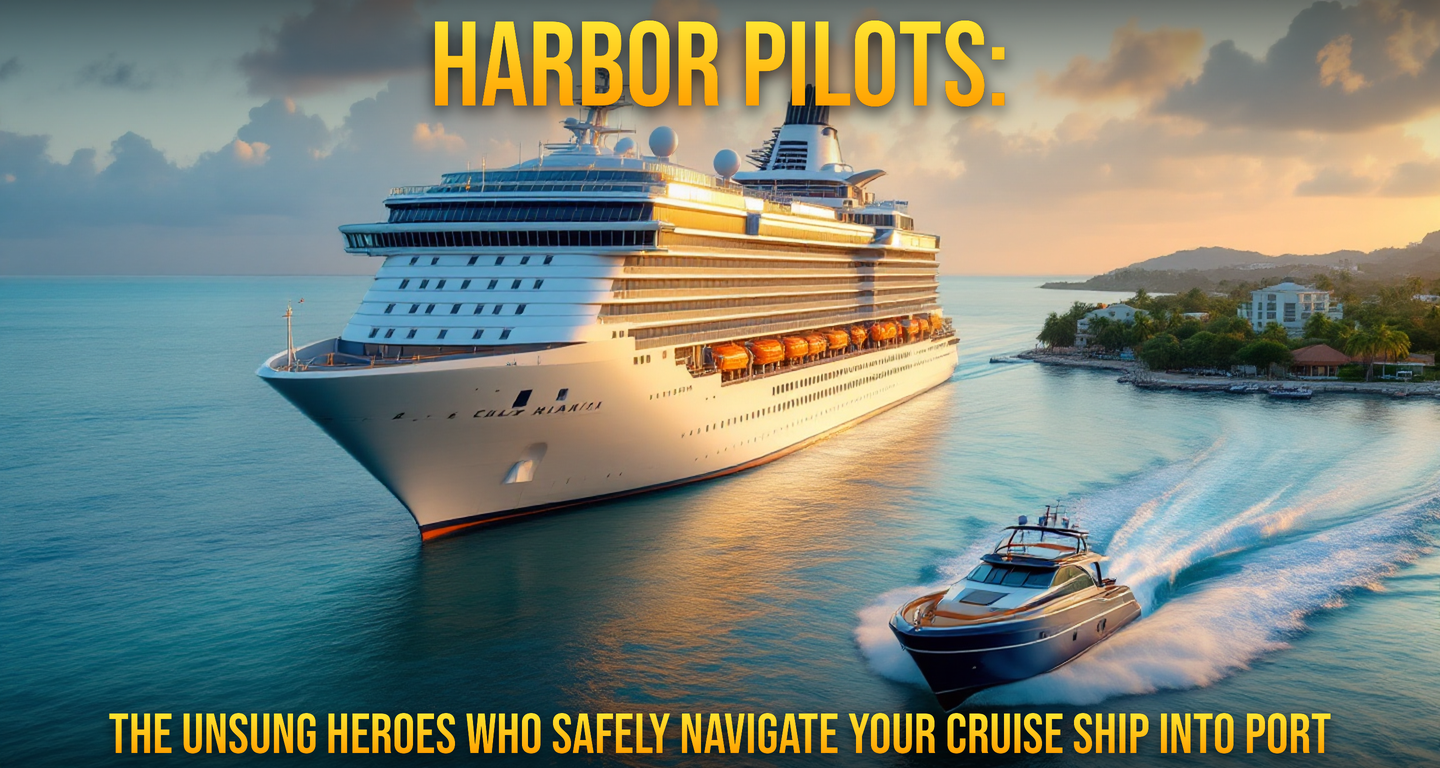
Harbor pilots are local maritime experts who board incoming ships to guide them safely through challenging waterways. Think of them as specialized taxi drivers who know every underwater rock, current pattern, and navigation hazard in their specific port.
When Icon of the Seas approaches Miami, for example, a Miami harbor pilot boards the ship several miles offshore. They take control of navigation from the ship's captain, who gladly hands over the helm. Why? Because while your captain might visit Miami once every two weeks, that pilot navigates those waters twice a day, every day.
The pilot brings irreplaceable local knowledge: where the currents run strongest during different tides, which channel markers have shifted since the last chart update, and exactly how much clearance your ship has under the Port of Miami Bridge. This isn't just helpful—it's legally required in most major ports worldwide.
Real Talk: Harbor pilots prevent accidents that would make headlines. In 2026, pilots guide over 40,000 cruise ship port calls annually in North American waters alone, with an accident rate of less than 0.01%.
Share your port arrival experiences in our Disney Cruise Line Ships forum!
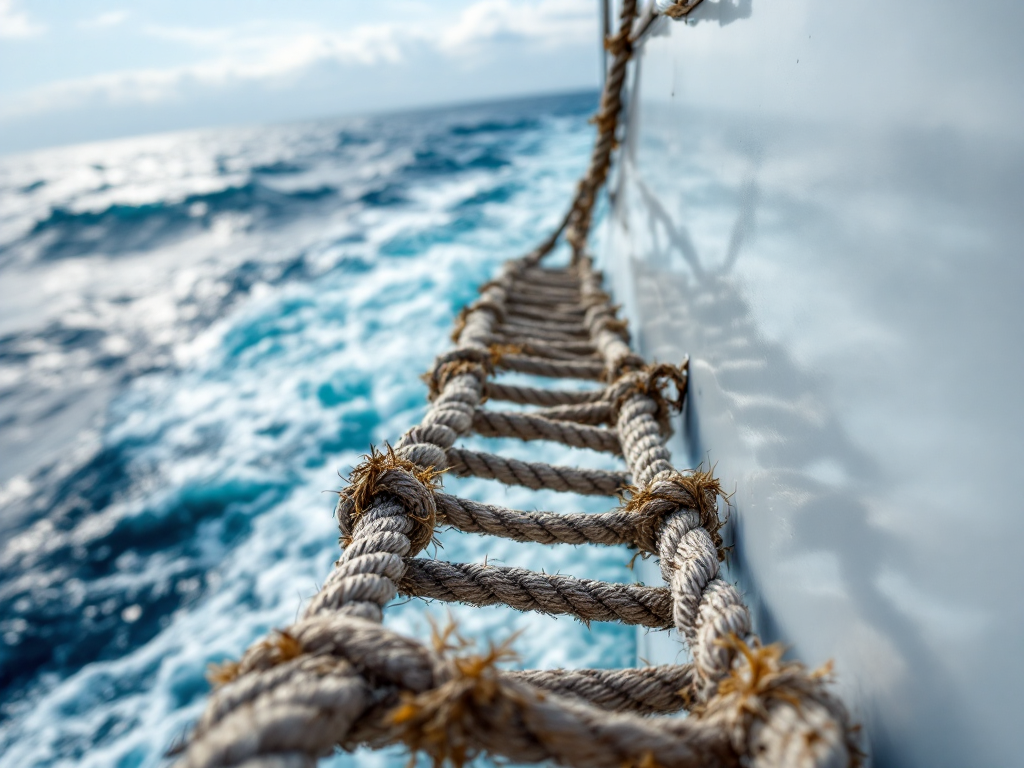
Here's where things get intense. To board your cruise ship, harbor pilots must transfer from a small pilot boat to your moving vessel—often in rough seas, wind, and darkness.
The process looks terrifying because it is:
The recent Emerald Princess incident off Kauai shows exactly how dangerous this can be. The pilot fell 10-20 feet into 12-foot seas during a routine boarding attempt. Fortunately, the pilot boat crew rescued him within minutes—a testament to their training and preparedness.
Weather Limits: Most ports have strict weather conditions that prevent pilot transfers. When seas exceed 8-10 feet or winds hit 35+ knots, pilot transfers are typically suspended. This is why your cruise sometimes bypes ports during storms.
When conditions are too rough for safe pilot transfer, you're looking at a missed port call. Period. No pilot means no entry to most commercial ports—it's maritime law, not a suggestion.
I've experienced this firsthand on Norwegian Breakaway approaching Bermuda during a spring storm. Seas were running 15 feet with 40-knot winds. The pilot boat couldn't safely approach our ship, so we circled offshore for six hours waiting for conditions to improve. They didn't. We missed the entire port call.
Your Options When This Happens:
Compensation Reality: Cruise lines typically don't offer compensation for weather-cancelled ports. It's considered an "act of God" under maritime law. However, some lines provide future cruise credits as goodwill gestures.
When a pilot boards your ship, an entire safety operation kicks into gear. Here's what's happening behind the scenes:
The ship's crew posts lookouts, prepares rescue equipment, and has medical staff standing by. If something goes wrong—like the Emerald Princess incident—they're ready to respond immediately.
Modern cruise ships carry:
The Emerald Princess crew's quick response during their pilot accident shows these systems work. The pilot was recovered within minutes and wasn't seriously injured—a testament to proper safety protocols.
Fun Fact: Some cruise ships now use helicopter pilot transfers in extremely challenging ports like the inside passage in Alaska, though boat transfers remain standard for 99% of port calls.
Understanding pilot operations helps you manage expectations and plan better:
Arrival Times: Your ship might arrive 30-60 minutes later than scheduled if pilot boarding is delayed by weather. This is normal and built into most itineraries.
Departure Delays: Pilots also guide ships out of port. If weather worsens during your port day, departure might be moved earlier or later depending on pilot availability and safety conditions.
Rough Weather Considerations: Book shore excursions through the cruise line when visiting ports known for challenging pilot transfers (like Hawaii, Alaska inside passage, or Baltic ports). If the port gets cancelled, you'll receive automatic refunds. Third-party excursions usually don't offer this protection.
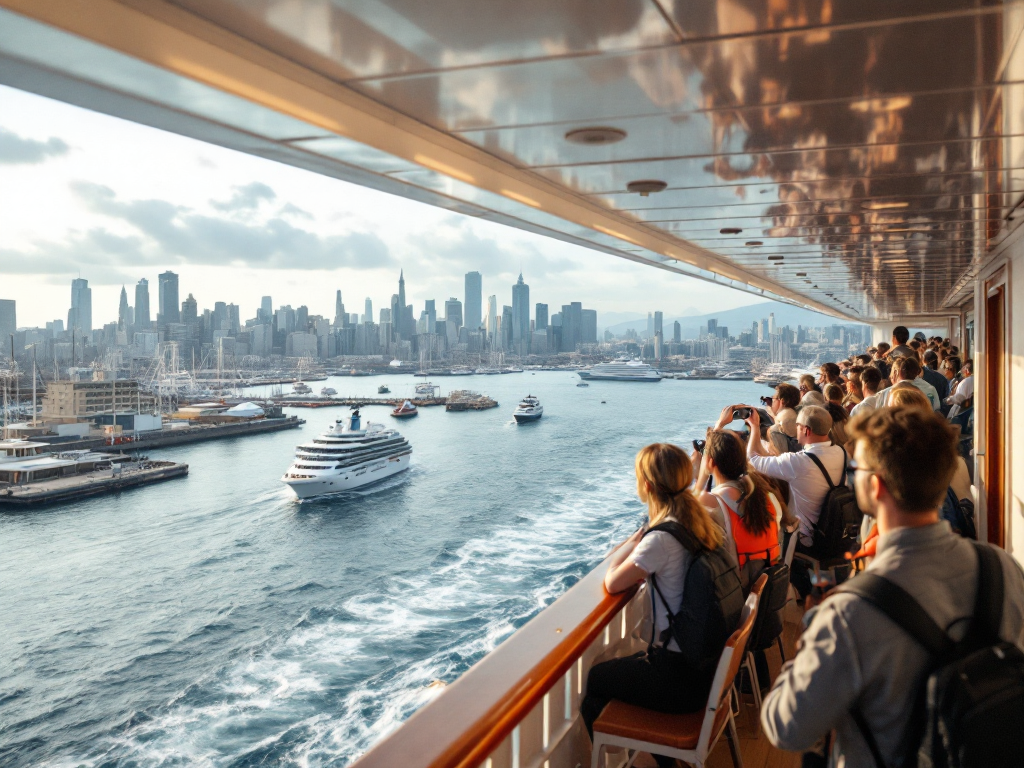
Best Viewing Spots: Want to watch pilot boarding? Head to forward decks (Deck 6-8 on most ships) about 45 minutes before scheduled arrival. The boarding typically happens on the starboard side, but crew will announce which side.
Some ports offer spectacular pilot boarding views—entering Nassau, you can clearly see the pilot boat approaching from your balcony. Other ports like Miami or Fort Lauderdale happen further offshore and are harder to spot.
Cost Reality: Pilot fees are built into your cruise fare. Depending on the port, these fees range from $500-$2,000 per ship visit. For a Caribbean cruise hitting four ports, pilot costs alone can exceed $6,000—just one of many hidden expenses cruise lines absorb in your fare.
Harbor pilots represent one of the oldest maritime professions, with some pilot associations tracing their roots back over 300 years. These aren't just highly trained professionals—they're often multi-generational families who've been guiding ships for decades.
The pilot who boards your Disney Fantasy in Port Canaveral might be the third generation in his family doing this job. He knows those waters better than his own driveway, and his expertise is literally what stands between your vacation and potential disaster.
Respect the Process: Next time you see a small pilot boat racing toward your cruise ship, remember you're witnessing one of the ocean's most skilled and dangerous professions in action. These professionals risk their lives every day to ensure your floating vacation arrives safely.
The recent Emerald Princess incident reminds us that even routine operations at sea carry real risks. The fact that tens of thousands of pilot transfers happen safely each year is a tribute to maritime training, technology, and the skill of these specialized professionals.
Discuss your most memorable port arrivals and pilot boarding sightings in our Disney Cruise Line Ships forum!
What Harbor Pilots Actually Do
Harbor pilots are local maritime experts who board incoming ships to guide them safely through challenging waterways. Think of them as specialized taxi drivers who know every underwater rock, current pattern, and navigation hazard in their specific port.
When Icon of the Seas approaches Miami, for example, a Miami harbor pilot boards the ship several miles offshore. They take control of navigation from the ship's captain, who gladly hands over the helm. Why? Because while your captain might visit Miami once every two weeks, that pilot navigates those waters twice a day, every day.
The pilot brings irreplaceable local knowledge: where the currents run strongest during different tides, which channel markers have shifted since the last chart update, and exactly how much clearance your ship has under the Port of Miami Bridge. This isn't just helpful—it's legally required in most major ports worldwide.
Real Talk: Harbor pilots prevent accidents that would make headlines. In 2026, pilots guide over 40,000 cruise ship port calls annually in North American waters alone, with an accident rate of less than 0.01%.
Share your port arrival experiences in our Disney Cruise Line Ships forum!
The Death-Defying Boarding Process
Here's where things get intense. To board your cruise ship, harbor pilots must transfer from a small pilot boat to your moving vessel—often in rough seas, wind, and darkness.
The process looks terrifying because it is:
- Your cruise ship deploys a rope ladder (called a pilot ladder) over the side
- The pilot boat pulls alongside the massive ship while both vessels are moving
- The pilot must time the waves perfectly and leap from the small boat to grab the ladder
- They climb 20-40 feet up the side of your ship while it's rolling in the waves
- The entire transfer takes just minutes, but one mistake means falling into churning water between two boats
The recent Emerald Princess incident off Kauai shows exactly how dangerous this can be. The pilot fell 10-20 feet into 12-foot seas during a routine boarding attempt. Fortunately, the pilot boat crew rescued him within minutes—a testament to their training and preparedness.
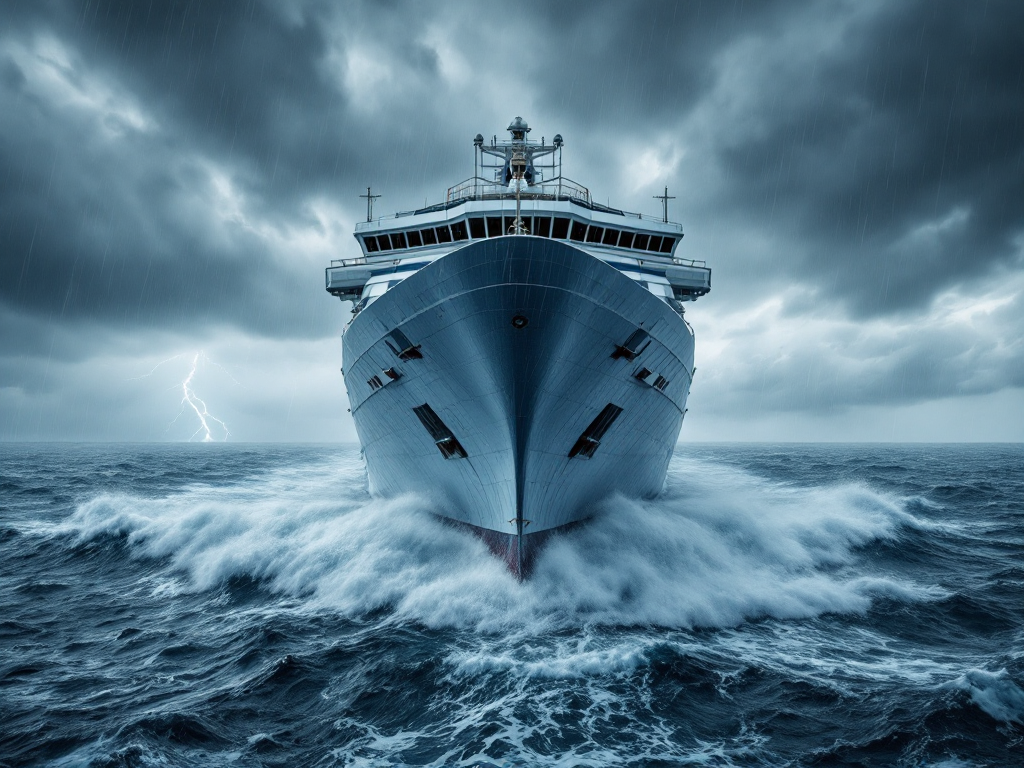
Weather Limits: Most ports have strict weather conditions that prevent pilot transfers. When seas exceed 8-10 feet or winds hit 35+ knots, pilot transfers are typically suspended. This is why your cruise sometimes bypes ports during storms.
What Happens When Weather Prevents Pilot Boarding
When conditions are too rough for safe pilot transfer, you're looking at a missed port call. Period. No pilot means no entry to most commercial ports—it's maritime law, not a suggestion.
I've experienced this firsthand on Norwegian Breakaway approaching Bermuda during a spring storm. Seas were running 15 feet with 40-knot winds. The pilot boat couldn't safely approach our ship, so we circled offshore for six hours waiting for conditions to improve. They didn't. We missed the entire port call.
Your Options When This Happens:
- The ship may attempt boarding later if weather improves
- You might get a shortened port visit (4 hours instead of 8)
- The port call gets cancelled entirely and you head to the next destination
- Rarely, the ship might anchor offshore for tender operations if the harbor allows it
Compensation Reality: Cruise lines typically don't offer compensation for weather-cancelled ports. It's considered an "act of God" under maritime law. However, some lines provide future cruise credits as goodwill gestures.
Safety Protocols You Never See
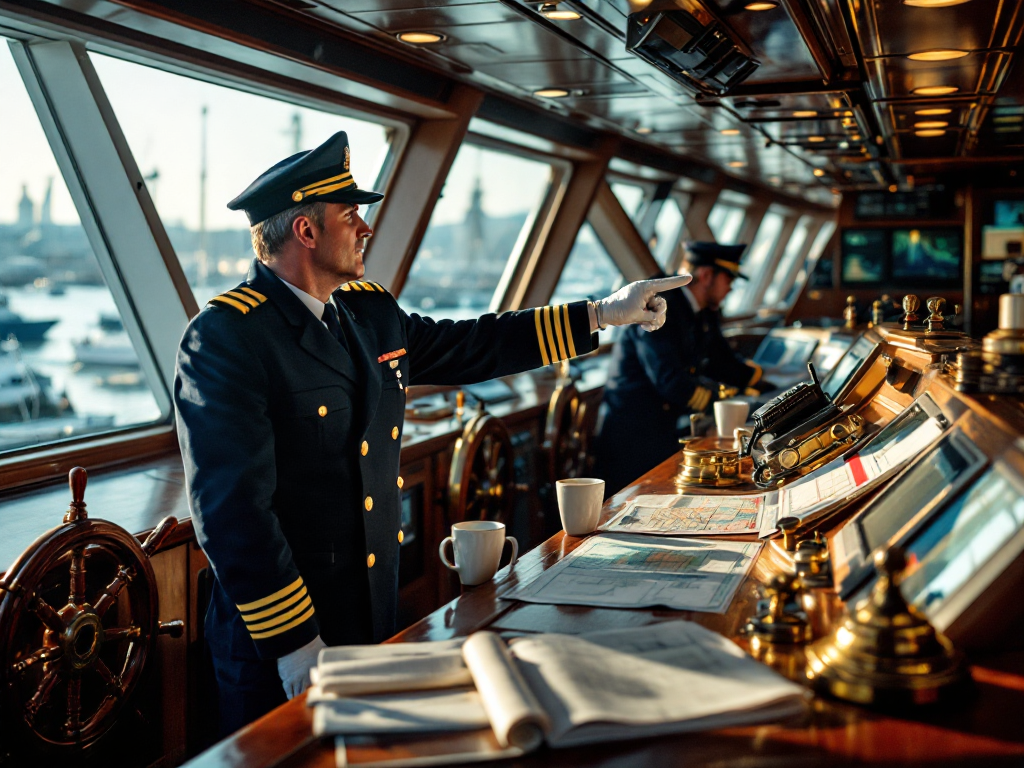
When a pilot boards your ship, an entire safety operation kicks into gear. Here's what's happening behind the scenes:
The ship's crew posts lookouts, prepares rescue equipment, and has medical staff standing by. If something goes wrong—like the Emerald Princess incident—they're ready to respond immediately.
Modern cruise ships carry:
- Man overboard detection systems that automatically mark GPS locations
- Fast rescue boats that can deploy in under 90 seconds
- Thermal imaging cameras to spot people in water
- Direct radio communication with coast guard and port authorities
- Medical teams trained for hypothermia and water rescue scenarios
The Emerald Princess crew's quick response during their pilot accident shows these systems work. The pilot was recovered within minutes and wasn't seriously injured—a testament to proper safety protocols.
Fun Fact: Some cruise ships now use helicopter pilot transfers in extremely challenging ports like the inside passage in Alaska, though boat transfers remain standard for 99% of port calls.
How This Affects Your Cruise Experience
Understanding pilot operations helps you manage expectations and plan better:
Arrival Times: Your ship might arrive 30-60 minutes later than scheduled if pilot boarding is delayed by weather. This is normal and built into most itineraries.
Departure Delays: Pilots also guide ships out of port. If weather worsens during your port day, departure might be moved earlier or later depending on pilot availability and safety conditions.
Rough Weather Considerations: Book shore excursions through the cruise line when visiting ports known for challenging pilot transfers (like Hawaii, Alaska inside passage, or Baltic ports). If the port gets cancelled, you'll receive automatic refunds. Third-party excursions usually don't offer this protection.
Best Viewing Spots: Want to watch pilot boarding? Head to forward decks (Deck 6-8 on most ships) about 45 minutes before scheduled arrival. The boarding typically happens on the starboard side, but crew will announce which side.
Some ports offer spectacular pilot boarding views—entering Nassau, you can clearly see the pilot boat approaching from your balcony. Other ports like Miami or Fort Lauderdale happen further offshore and are harder to spot.
Cost Reality: Pilot fees are built into your cruise fare. Depending on the port, these fees range from $500-$2,000 per ship visit. For a Caribbean cruise hitting four ports, pilot costs alone can exceed $6,000—just one of many hidden expenses cruise lines absorb in your fare.
The Human Side of Maritime Safety
Harbor pilots represent one of the oldest maritime professions, with some pilot associations tracing their roots back over 300 years. These aren't just highly trained professionals—they're often multi-generational families who've been guiding ships for decades.
The pilot who boards your Disney Fantasy in Port Canaveral might be the third generation in his family doing this job. He knows those waters better than his own driveway, and his expertise is literally what stands between your vacation and potential disaster.
Respect the Process: Next time you see a small pilot boat racing toward your cruise ship, remember you're witnessing one of the ocean's most skilled and dangerous professions in action. These professionals risk their lives every day to ensure your floating vacation arrives safely.
The recent Emerald Princess incident reminds us that even routine operations at sea carry real risks. The fact that tens of thousands of pilot transfers happen safely each year is a tribute to maritime training, technology, and the skill of these specialized professionals.
Discuss your most memorable port arrivals and pilot boarding sightings in our Disney Cruise Line Ships forum!