

Chloe_Banks
Moderator
What Exactly Is Expedition Cruising?
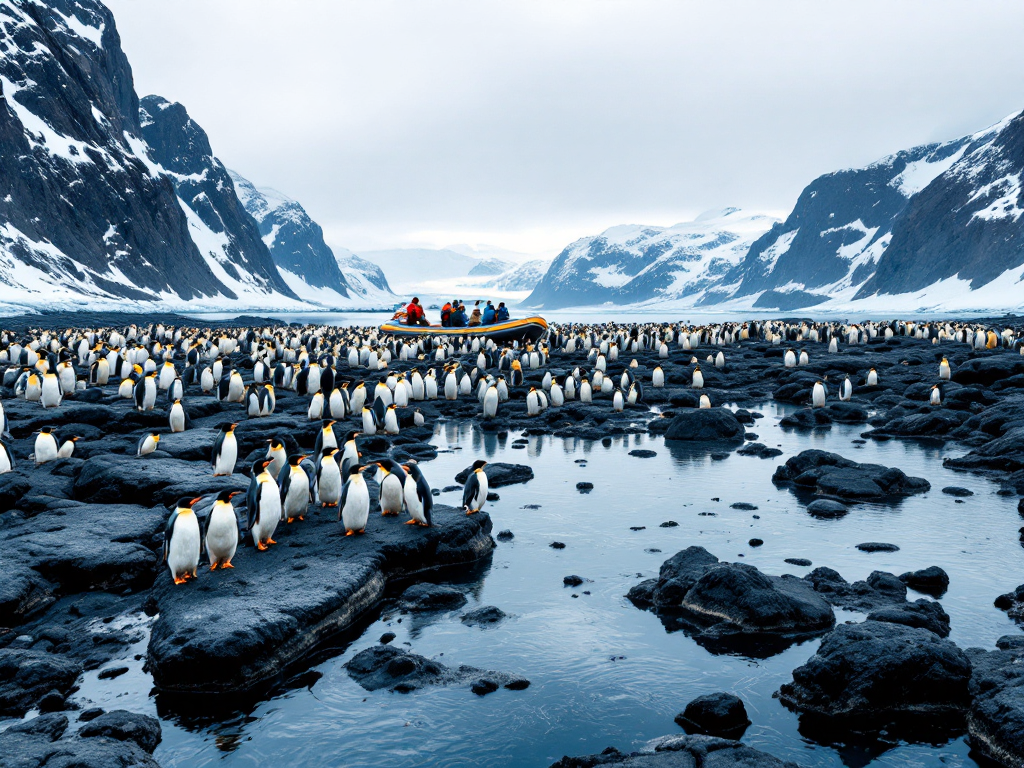
Expedition cruising is fundamentally different from your typical Caribbean or Mediterranean cruise — and honestly, once you experience it, you might never want to go back to traditional cruising. Instead of docking at busy ports where 5,000 passengers flood ashore, you're boarding zodiacs (small inflatable boats) with 50–150 fellow travelers to land on remote beaches, penguin colonies, and arctic tundra that most people will never see.
I've done 12 expedition cruises across all three major regions, and the difference is night and day. You're paying more for the cruise itself, but you're getting expert naturalists, historians, and scientists aboard. These aren't your typical cruise staff — they're PhD-holding experts who've spent years studying the regions you're visiting. That changes everything about how you experience the destination.
The ships themselves are smaller (typically 100–300 passengers), which means tighter cabins and fewer dining venues, but dramatically better access to remote places and a genuine sense of exploration.
Antarctica Cruises: The Final Frontier
Antarctica is the crown jewel of expedition cruising, and for 2026, expect prices starting around $8,500 per person for a 10-day voyage and climbing to $25,000+ for luxury options. The season runs November through March (Southern Hemisphere summer), so you're booking these trips 12–18 months in advance.
- What you'll actually see: Leopard seals, Adélie and chinstrap penguins, icebergs the size of office buildings, and if you're lucky, humpback whales. The landscape is otherworldly — black volcanic rock, turquoise glacial meltwater, and silence so complete you forget what normal sounds like.
- Typical itineraries: Most departures sail from Ushuaia, Argentina (the world's southernmost city) and visit the Antarctic Peninsula, the most accessible region. Some lines offer 12–14 day voyages that venture deeper into the Weddell Sea or circle the Antarctic continent entirely — these cost $20,000+ and require serious seasickness tolerance.
- The reality of seasickness: The Drake Passage — the stretch of ocean between South America and Antarctica — is notoriously rough. I've been through it four times, and twice I genuinely regretted my life choices. Many expedition cruises include complimentary motion sickness patches; use them. The crossing takes 2 days each way, but once you're south of the Antarctic Convergence, the water often calms.
- Top operators: Lindblad Expeditions-National Geographic leads the pack (premium pricing, unbeatable naturalists), followed by Seabourn Expedition, Hurtigruten, and Scenic. Budget-conscious explorers book with Quark Expeditions, which runs solid itineraries at lower price points ($8,500–$12,000).
Here's my honest take: Antarctica is once-in-a-lifetime expensive, but the ROI is real. You'll photograph images you'll show people for decades. You'll understand climate change viscerally — watching massive glaciers calve into the sea changes your perspective. And you'll meet the most interesting group of people imaginable. On my last Antarctica cruise, I shared a table with a retired geologist, a National Geographic photographer, and a marine biologist. Every dinner was a masterclass.
The biggest con? Seasickness potential and the fact that weather can change your itinerary dramatically. I've had zodiac landings canceled due to rough seas — you pay premium prices and sometimes don't get to actually land in certain spots.
Visit the Global Destinations forum to connect with other Antarctic cruisers about sea conditions, best photography spots, and wildlife sightings.
Arctic Cruising: The Northwest Passage & Spitsbergen
The Arctic operates on the opposite schedule — June through September — and offers two distinct experiences: the Northwest Passage (the legendary route through Canadian Arctic islands) and Spitsbergen/Svalbard (Norwegian Arctic).
- Spitsbergen cruises: More accessible and more frequently offered. Prices run $6,500–$16,000 for 10 days. You'll see polar bears (I've spotted seven in one cruise), Arctic foxes, walruses, and Svalbard's haunting coal mining ghost towns. The light is surreal — nearly 24-hour daylight means you can photograph at midnight.
- Northwest Passage expeditions: The crown jewel for Arctic enthusiasts. These 14–16 day voyages sail from Greenland through the Canadian Arctic to Alaska, retracing the route explorers have attempted for 500 years. Prices: $12,000–$30,000+. Only a handful of ships are small enough to navigate the narrow passages, which means limited availability and premium pricing.
- What actually happens: Early season (June) means possible ice, Greenlandic villages, and Inuit cultural experiences. Late season (August–September) means easier navigation but fewer icebergs. Most itineraries are flexible — captains change course based on weather and wildlife sightings.
- Top operators: Lindblad (again), Hurtigruten Expeditions, One Ocean (fantastic for the Northwest Passage specifically), and Seabourn Expedition all run Arctic programs.
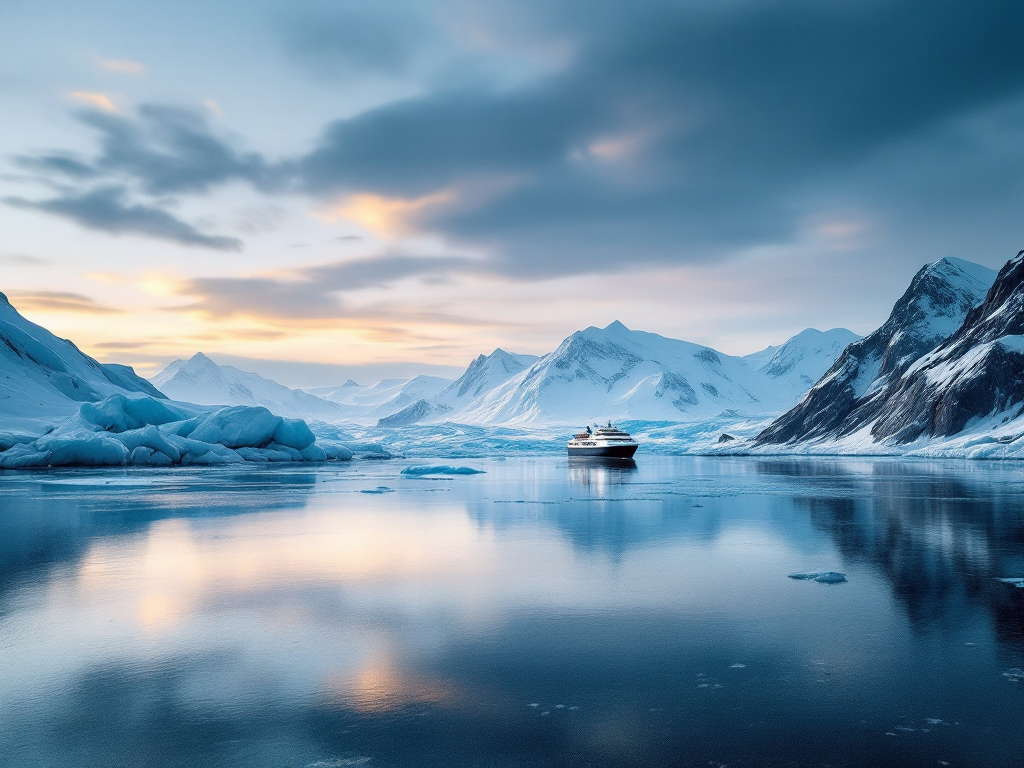
The Arctic is less extreme than Antarctica but equally rewarding. Polar bears are genuinely dangerous — you'll have armed expedition staff during every zodiac landing — which adds a real element of adventure most cruises lack. The Inuit cultural experiences in Greenland and the Canadian Arctic are authentic and moving.
Biggest downside? Inconsistent ice conditions. I did a Northwest Passage voyage in 2023 where ice actually blocked our route, and we had to reroute. The itinerary changed mid-cruise, which some passengers loved and others resented. Make sure you have travel insurance that covers itinerary changes.
The other reality: Arctic cruises attract serious travelers. Expect intellectually engaged passengers, thoughtful conversations, and less party atmosphere than mainstream cruising. Some people find that perfect; others miss the glitz.
Galápagos Cruises: Darwin's Living Laboratory
The Galápagos sits between Antarctic grandeur and Arctic adventure — it's accessible, year-round, and absolutely unique. Prices start around $4,500 for 5 days and climb to $12,000+ for 10-day luxury voyages. Cruises operate year-round, so you have flexibility with booking.
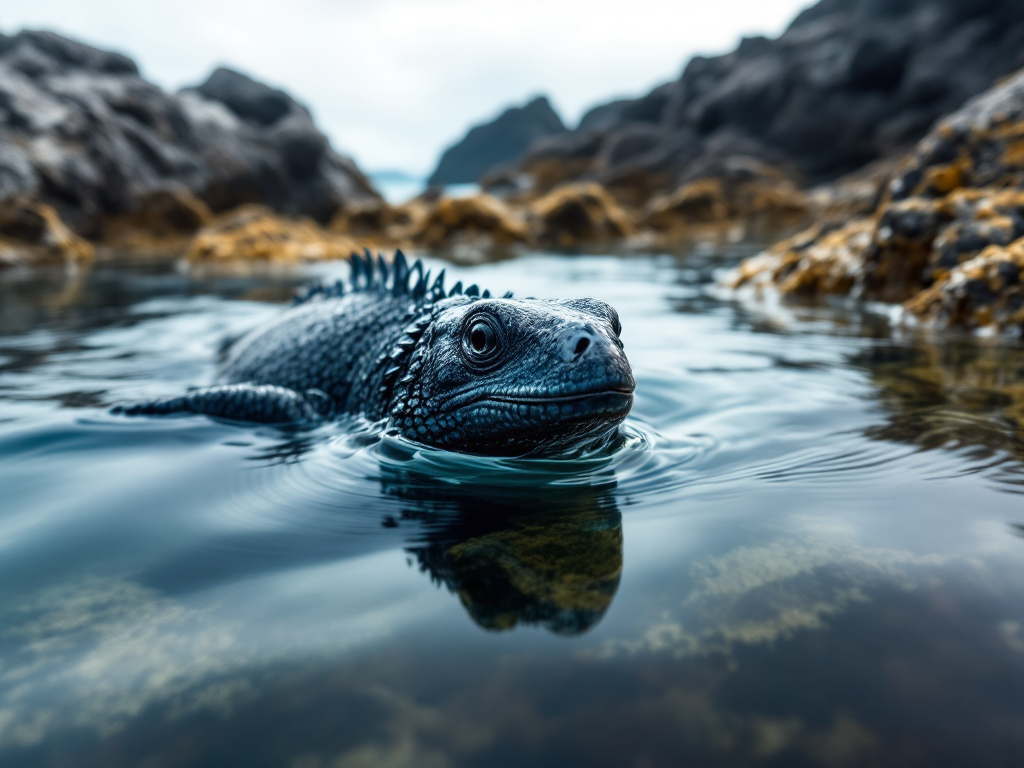
- What makes it special: Giant Galápagos tortoises, marine iguanas (the world's only sea-going lizards), blue-footed boobies, hammerhead sharks, and landscapes that look like another planet. Unlike Antarctica or the Arctic, you're cruising in warm weather among tropical wildlife.
- Important regulation: Ecuador strictly limits visitors and requires all Galápagos cruises to be booked through licensed operators. You cannot sail yourself or use mainstream cruise lines. This is frustrating for booking flexibility but ensures environmental protection.
- Itinerary variety: Most cruises are 5, 7, or 10 days visiting different island combinations. Southern route visits Española and Floreana (best for marine iguanas and boobies). Northern route visits Genovesa and Darwin Island (better for seabirds and sharks). Central route balances both.
- Best operators: Lindblad-National Geographic (premium experience, exceptional naturalists), Seabourn (luxury focused), Ecoventura, Petrel, and Xcursion are solid mid-range options. Smaller boutique operators offer budget-friendly options starting at $4,500.
Here's what surprised me about Galápagos: the wildlife is fearless. Marine iguanas will swim past your zodiac uninterested. Boobies nest feet from where you're standing. You're not photographing from a distance — you're inches away from animals that evolved without humans. It's humbling.
The drawback is passenger volume in certain areas. Popular islands can have four or five ships anchored simultaneously, which dilutes the "adventure" feeling. Book a smaller ship (under 50 passengers) if possible — you'll have better landing times and fewer crowds.
One thing most people don't realize: Galápagos cruises move differently than other expeditions. You typically cruise at night and do zodiac landings during the day. Your "ship time" is minimal — you're always off the boat doing activities, which appeals to active travelers but frustrates those who want relaxation.
Comparing the Three: Which Is Right for You?
Choose Antarctica if:
- You want the most extreme, bucket-list experience
- You're a serious photographer (penguin colonies are unmatched)
- You can handle rough seas and potential seasickness
- You have 10–14 days and a flexible budget ($8,500–$25,000)
- You're traveling during Southern Hemisphere summer (November–March)
Choose the Arctic if:
- You want wildlife (polar bears!) and cultural immersion (Greenland, Inuit communities)
- You prefer the midnight sun and 24-hour daylight for activities
- You have 10–16 days available in summer (June–September)
- You're willing to pay premium prices for exclusive routes like the Northwest Passage
- You want a more intellectual, less party-oriented experience
Choose Galápagos if:
- You want year-round availability and warm-weather cruising
- You have shorter timeframes (5–10 days)
- Budget is a concern ($4,500–$8,000 beats Antarctica/Arctic pricing)
- You want fearless wildlife encounters at close range
- You prefer zodiac-heavy itineraries with constant activity
Practical Booking Tips for 2026
- Book early: Antarctica and Arctic expeditions sell out 12–18 months in advance. Galápagos has more flexibility but premium dates vanish quickly. Start planning now if you want summer 2026 Arctic or November 2026 Antarctic cruises.
- Travel insurance is non-negotiable: Expedition cruises often operate in weather-dependent regions. Policies that cover itinerary changes, trip cancellation, and emergency evacuation are standard. Budget 8–12% of your cruise cost.
- Pack smart: Waterproof gear, quality binoculars, high-SPF sunscreen (UV exposure near ice is intense), and seasickness medication are essentials. Cabin space is tight — pack efficiently or ship luggage separately.
- Budget for excursions: Zodiac landings, kayaking, and diving are often included, but premium experiences (helicopter tours in Antarctica, specialized wildlife photography workshops) cost extra ($2,000–$5,000+).
- Vaccination requirements: Some expeditions require yellow fever, typhoid, or other vaccinations. Check requirements 3–4 months before departure.
The Real Cost Breakdown
Don't just compare cruise fares — here's what a realistic 2026 expedition cost looks like:
Antarctica (10 days from Ushuaia):
- Cruise fare: $10,000
- Flights (from US): $2,500
- Pre-cruise hotel (Ushuaia): $400
- Travel insurance: $1,000
- Miscellaneous (tips, beverages, excursions): $1,500
- Total: ~$15,400
Arctic Northwest Passage (14 days):
- Cruise fare: $15,000
- Flights (from US): $1,500
- Pre-cruise hotel: $500
- Travel insurance: $1,500
- Miscellaneous: $2,000
- Total: ~$20,500
Galápagos (7 days):
- Cruise fare: $6,000
- Flights (from US): $800
- Pre-cruise Ecuador hotel: $300
- Travel insurance: $500
- Miscellaneous: $800
- Total: ~$8,400
Final Thoughts
Expedition cruising changed how I travel. You're not just checking destinations off a list — you're genuinely exploring places that most humans will never see. The smaller ships, expert guides, and intimate group sizes create an entirely different experience than mainstream cruising.
Yes, expedition cruises cost more and require more planning. Yes, there's physical discomfort potential (rough seas, zodiac transfers, altitude). But the payoff is genuine adventure combined with comfort. You sleep in a private cabin every night, eat well-prepared meals, and have hot showers — you're not roughing it like expedition mountaineers.
If you've been cruising for years and want something different, if you're a wildlife photographer, if you want to travel to places most people only read about — expedition cruising is worth the investment.
Ready to book? Our AI concierge at CruiseVoices can help you research, compare, and book your expedition cruise — along with flights, pre-cruise accommodations, travel insurance, and everything else you need. Start planning your adventure today.
Share your expedition cruising dreams and questions in the Global Destinations forum — where travelers swap real stories from Antarctica, the Arctic, and beyond.