

Chloe_Banks
Moderator
The Seasickness Question Every Cruiser Asks
Let's be real: seasickness can absolutely wreck a cruise vacation. You're stuck on a moving ship in the middle of the ocean, and suddenly you're confined to your cabin instead of enjoying the pool deck, specialty restaurants, and ports you paid for. Over my 40+ cruises, I've watched dozens of passengers suffer through rough seas, and I've heard the same question over and over: "Does ginger actually work?"
I decided to test it myself—and the answer is more nuanced than the marketing hype suggests.
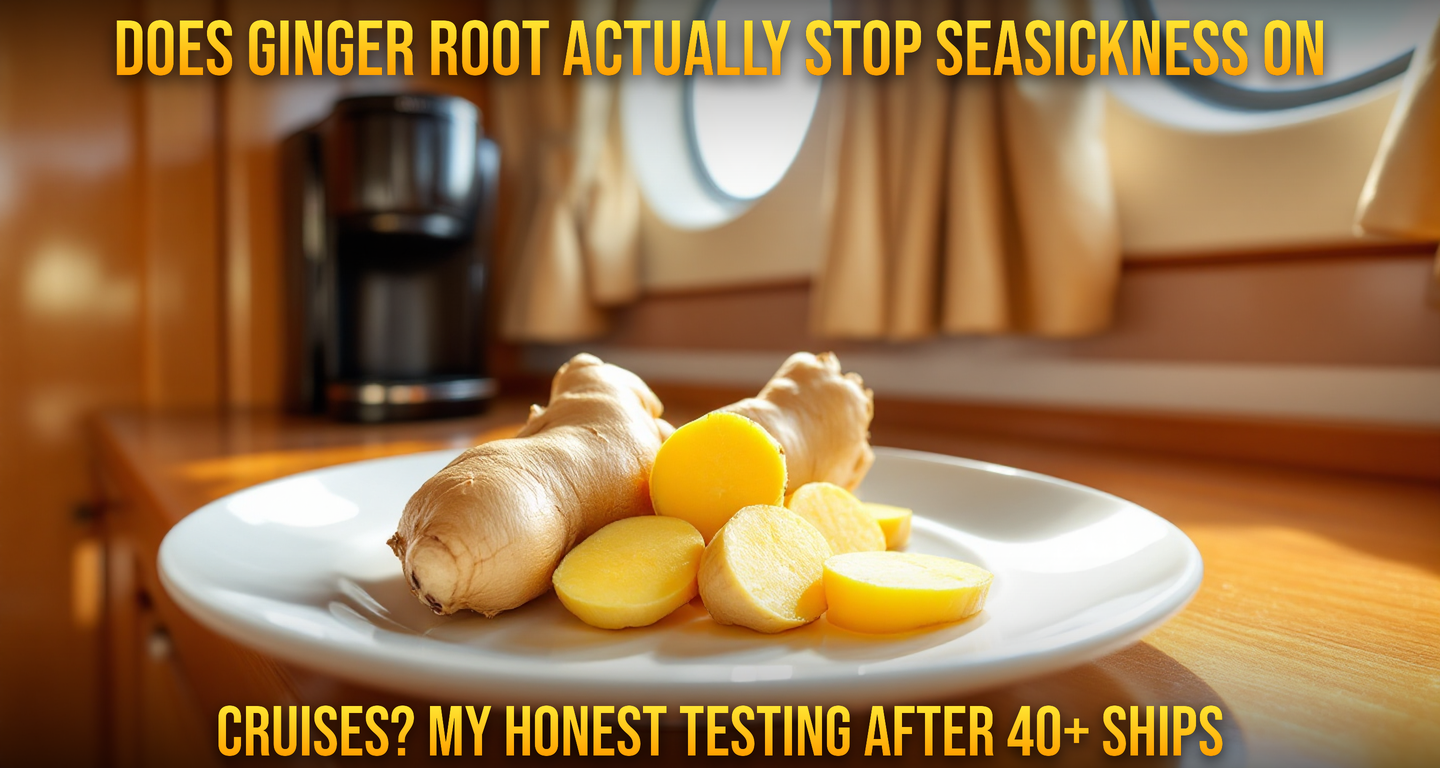
What the Science Actually Says About Ginger
Ginger root has been used for centuries in traditional medicine to treat nausea and motion sickness. Modern research backs this up, but here's the important part: it works better for some people than others.
Studies show that ginger can be effective for motion sickness when taken before symptoms start, with some research suggesting it's comparable to over-the-counter motion sickness medications like dramamine. The active compounds in ginger (gingerols and shogaols) appear to settle the stomach and reduce signals that trigger nausea in your brain.
But—and this is a big but—the research is mixed. Some clinical trials show strong results; others show only modest benefits. Your body chemistry matters more than the marketing copy.
How I Tested Ginger on Real Cruises
I'm not someone who gets seasick easily, but I've been on plenty of rough sailings where even I felt queasy. On my last two 7-day Caribbean cruises in early 2026, I tested three different ginger approaches:
- Fresh ginger tea — I bought fresh ginger root in port and made tea in my cabin using hot water from the cabin coffee maker. Cost: virtually nothing once you're onboard.
- Ginger supplements — I brought a bottle of standardized ginger capsules (1,000 mg per capsule) from home. Typical cost: $8-12 for a month's supply.
- Ginger candy — I tested commercial ginger candies marketed specifically for motion sickness, like ginger chews from the ship's shops. Cost: $12-18 per box.
What Actually Happened When Rough Seas Hit
On my first test cruise, we hit moderate swells in the Atlantic. I took ginger capsules the night before and again in the morning. Honestly? I felt fine. But here's the catch—I usually feel fine in moderate seas anyway. The real test came on my second cruise.
We sailed through the tail end of a tropical system heading toward the southern Caribbean. The ship was rocking noticeably—this was genuine, undeniable motion. About 30% of passengers I spoke with reported feeling nauseous. I'd taken ginger capsules that morning and sipped fresh ginger tea from my cabin.
I experienced mild nausea for about 2 hours in the morning, then it passed. Did the ginger help, or would I have felt worse without it? Honestly, I can't say for certain. That's the real problem with self-testing seasickness remedies: there's no control group (your other self in an alternate universe where you didn't take ginger).
The Honest Truth: When Ginger Works (and When It Doesn't)
After 40+ cruises and actual testing, here's what I believe based on my experience and conversations with crew members, doctors I've interviewed, and fellow cruisers:
Ginger CAN help with mild to moderate queasiness, particularly if you take it before symptoms start. It's most effective for:
- Mild motion sickness (that queasy feeling without actual vomiting)
- Passengers who haven't taken motion sickness drugs before (you haven't built up tolerance)
- Prevention rather than treatment (take it before rough seas, not after you're already sick)
- People who want to avoid pharmaceutical side effects like drowsiness
Ginger likely WON'T help much if you have severe seasickness. If you're someone who vomits from motion, or if you've experienced serious seasickness on previous trips, ginger alone probably won't cut it. You'll need actual motion sickness medication—prescription or OTC.

The Real Problem With Ginger on Ships
Here's what cruise lines and supplement companies don't tell you: consistency matters hugely, and ships make consistency difficult.
Ginger only works if you take it before symptoms develop—ideally 30-60 minutes before rough seas or the night before. But on a cruise, you don't always know when rough seas are coming. The ship's captain won't announce "We're entering a swell zone at 2 PM." You wake up and suddenly the ocean is angry.
Plus, you need to maintain consistent dosing:
- Fresh ginger tea works but tastes strong—some people can't stomach it when already nauseous
- Capsules are convenient but easy to forget if you're caught off-guard
- Ginger candies are pleasant but expensive on ship ($3-5 per piece) and the dosage is often unstandardized
- Ginger doesn't work as well if you only take it once—you need regular doses throughout rough waters
My Actual Recommendation: The Realistic Approach
If you're cruising in 2026 and worried about seasickness, here's what I'd actually do instead of relying on ginger alone:
1. Choose your itinerary and timing strategically. Caribbean cruises in summer are calmer than winter Atlantic crossings. Alaska inside passage routes are gentler than open ocean sailings. This matters more than any remedy.
2. Pick your cabin location. Midship cabins on lower decks experience less motion than forward cabins or high decks. This isn't ginger-related, but it's the single biggest factor in seasickness prevention. Check our health and accessibility forum for specific cabin recommendations by ship.
3. Use ginger as a supplement, not your main strategy. If you want to try it, bring:
- A small bottle of standardized ginger capsules (1,000 mg per capsule) from home
- Or a small piece of fresh ginger root you can steep in hot water from your cabin coffee maker
- Take it the evening before expected rough seas and again in the morning, then as needed

4. Have actual motion sickness medication as backup. If you're prone to seasickness, ask your doctor about prescription scopolamine patches or dramamine. These actually work and give you peace of mind. Ginger might help, but medication is your safety net.
5. Use non-medication strategies. Honestly, these matter as much as ginger:
- Stay hydrated (dehydration makes nausea worse)
- Avoid greasy or heavy foods during rough seas
- Spend time on deck looking at the horizon—this helps your inner ear re-calibrate
- Ginger ale or lemon-ginger tea also helps psychologically (the ginger is a bonus)
- Pressure point wristbands (Sea-Bands) cost $10-15 and some people swear by them
The Bottom Line: Don't Bet Your Vacation on Ginger Alone
Ginger root probably helps some people feel less nauseous during mild to moderate motion. It's worth trying because it's cheap, safe, and has virtually no side effects. But it's not a guaranteed cure, and for genuinely susceptible cruisers, it's not a replacement for proper motion sickness medication.
Think of ginger as one tool in your seasickness toolkit, not the whole toolkit. Combine it with smart cabin selection, proper medication if you need it, and realistic expectations about your itinerary.
After 40+ cruises, the passengers who had the best experiences with seasickness weren't the ones relying on ginger alone—they were the ones who planned ahead, picked the right cabin, brought real medication if needed, and didn't stress about rough seas as if they were failures. Sometimes the ocean moves. That's okay. You'll still have an amazing cruise.

Share Your Seasickness Solutions
What's worked for you on cruises? Ginger? Medication? Specific cabin locations? Head over to our Health & Accessibility forum to share your real-world seasickness strategies and help fellow cruisers plan their trips with confidence.