

You finally made it home from that amazing 7-night Caribbean cruise, but there's just one problem: you still feel like you're on the ship. The ground seems to sway beneath your feet, you're walking like you're still navigating rolling seas, and that persistent rocking sensation won't go away. Don't worry – you're not losing your mind, and you're definitely not alone.
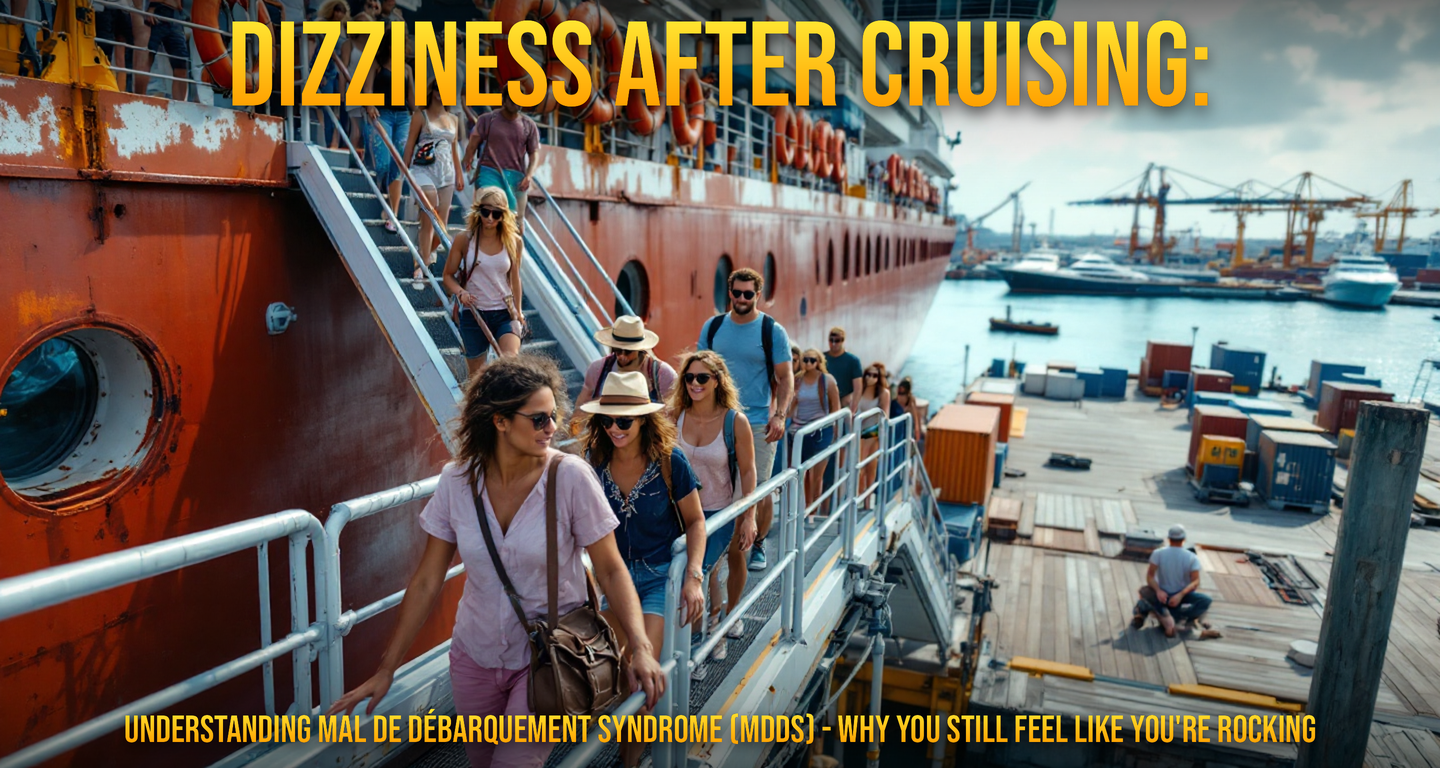
Mal de Débarquement Syndrome, or MdDS, is a neurological condition that affects your inner ear and balance system after extended exposure to motion – like that week you spent aboard Royal Caribbean's Wonder of the Seas or Celebrity's Edge. The name literally means "sickness of disembarkation" in French, which pretty much sums up exactly what you're experiencing.
Here's what makes MdDS different from regular sea legs: while most people readjust to land within 24-48 hours, MdDS can persist for weeks, months, or in rare cases, even longer. The condition affects your brain's ability to readjust to stable ground after it spent days adapting to the ship's constant motion.
The most common triggers for MdDS include:
Interestingly, cruise passengers seem to be the most affected group, likely because cruises involve sustained motion over several days compared to a few hours of air travel.

If you're a woman between 30 and 60, you're statistically more likely to experience MdDS – about 85% of cases fall into this demographic. But don't think men and other age groups are immune; I've heard from plenty of male cruisers and younger passengers who've dealt with these symptoms after sailings on everything from Carnival's Vista-class ships to smaller expedition vessels.
You might be at higher risk if you:
Here's something that surprised me: first-time cruisers and experienced cruisers are equally susceptible. I know people who've taken 20+ cruises without issues, then suddenly developed MdDS after a routine sailing to the Bahamas.
The hallmark symptom is that persistent feeling of motion – usually described as rocking, swaying, or bobbing – when you're on solid ground. But MdDS can include other symptoms that might catch you off guard:
Primary symptoms:
Secondary symptoms that some people experience:

One key diagnostic clue: your symptoms should actually improve when you're in passive motion, like riding as a passenger in a car or sitting on a train. If motion makes you feel worse, you might be dealing with a different balance issue that needs medical attention.
Before you start panicking about permanent damage from that Norwegian Breakaway cruise, here's the reassuring part: most MdDS cases resolve on their own, especially if you're younger. The majority of people see their symptoms fade within days to weeks, and even persistent cases often improve significantly within the first year.
Recovery timeline expectations:
Your age matters for recovery – younger people tend to bounce back faster, while the condition can be more persistent in older adults. But I've seen cruisers in their 70s recover completely, so don't assume age means you're stuck with it permanently.

While most MdDS cases resolve naturally, you shouldn't just suffer in silence if symptoms persist beyond a month. A doctor can rule out other inner ear conditions and provide treatment options if needed.
See a healthcare provider if:
MdDS is typically diagnosed by an otolaryngologist (ENT doctor) or neurologist based on your history and symptoms. There's no specific test for MdDS, but doctors can run tests to rule out other inner ear disorders.
While you're waiting for your brain to readjust, there are several strategies that many cruisers have found helpful:
Immediate relief techniques:
Longer-term management:
This is the million-dollar question every MdDS sufferer asks: will it happen again? The answer isn't straightforward. Some people develop MdDS once and never again, while others might be more susceptible to future episodes.
If you've experienced MdDS, consider these precautions for future cruises:
Don't let one episode of MdDS end your cruising adventures. Many people who experience it once go on to cruise again without problems. The key is being prepared and making informed choices about your next sailing.
MdDS affects thousands of cruise passengers every year, but it's not something people talk about much until they experience it themselves. The condition is far more common than most people realize, and the cruise community is incredibly supportive when it comes to sharing experiences and coping strategies.
Remember that MdDS is a recognized medical condition, not something you're imagining or exaggerating. Your symptoms are real, and in most cases, they will improve with time. If you're struggling with persistent symptoms, don't hesitate to seek medical advice and connect with others who understand what you're going through.
Share your MdDS experiences and find support from fellow cruisers in our Health, Accessibility & Special Needs forum!
What Is Mal de Débarquement Syndrome?
Mal de Débarquement Syndrome, or MdDS, is a neurological condition that affects your inner ear and balance system after extended exposure to motion – like that week you spent aboard Royal Caribbean's Wonder of the Seas or Celebrity's Edge. The name literally means "sickness of disembarkation" in French, which pretty much sums up exactly what you're experiencing.
Here's what makes MdDS different from regular sea legs: while most people readjust to land within 24-48 hours, MdDS can persist for weeks, months, or in rare cases, even longer. The condition affects your brain's ability to readjust to stable ground after it spent days adapting to the ship's constant motion.
The most common triggers for MdDS include:
- Ocean cruises (about 45% of all cases)
- Air travel, especially long flights
- Train travel
- Car trips
- Ferry rides
Interestingly, cruise passengers seem to be the most affected group, likely because cruises involve sustained motion over several days compared to a few hours of air travel.
Who Gets MdDS and Why?
If you're a woman between 30 and 60, you're statistically more likely to experience MdDS – about 85% of cases fall into this demographic. But don't think men and other age groups are immune; I've heard from plenty of male cruisers and younger passengers who've dealt with these symptoms after sailings on everything from Carnival's Vista-class ships to smaller expedition vessels.
You might be at higher risk if you:
- Experience migraines regularly
- Have a history of motion sensitivity
- Are between ages 30-60
- Are female
- Have taken your first cruise or longest cruise to date
Here's something that surprised me: first-time cruisers and experienced cruisers are equally susceptible. I know people who've taken 20+ cruises without issues, then suddenly developed MdDS after a routine sailing to the Bahamas.
Recognizing MdDS Symptoms
The hallmark symptom is that persistent feeling of motion – usually described as rocking, swaying, or bobbing – when you're on solid ground. But MdDS can include other symptoms that might catch you off guard:
Primary symptoms:
- Persistent rocking, swaying, or bobbing sensation
- Difficulty maintaining balance, especially when standing still
- Feeling "off" or unsteady
- Symptoms that improve temporarily when in motion (like riding in a car)
Secondary symptoms that some people experience:
- Fatigue from your brain constantly trying to process conflicting balance signals
- Difficulty concentrating
- Anxiety about the persistent symptoms
- Sleep disturbances
One key diagnostic clue: your symptoms should actually improve when you're in passive motion, like riding as a passenger in a car or sitting on a train. If motion makes you feel worse, you might be dealing with a different balance issue that needs medical attention.
The Good News: Most Cases Resolve Naturally
Before you start panicking about permanent damage from that Norwegian Breakaway cruise, here's the reassuring part: most MdDS cases resolve on their own, especially if you're younger. The majority of people see their symptoms fade within days to weeks, and even persistent cases often improve significantly within the first year.
Recovery timeline expectations:
- 24-48 hours: Normal readjustment period (not technically MdDS yet)
- 1 week: Many people still recovering normally
- 1 month: If symptoms persist, consider seeing a doctor
- 3-6 months: Many cases resolve in this timeframe
- 1 year: Most cases show significant improvement
Your age matters for recovery – younger people tend to bounce back faster, while the condition can be more persistent in older adults. But I've seen cruisers in their 70s recover completely, so don't assume age means you're stuck with it permanently.
When to Seek Medical Help
While most MdDS cases resolve naturally, you shouldn't just suffer in silence if symptoms persist beyond a month. A doctor can rule out other inner ear conditions and provide treatment options if needed.
See a healthcare provider if:
- Symptoms persist longer than one month
- Symptoms are getting worse instead of better
- You're experiencing severe anxiety or depression related to the condition
- The symptoms are significantly impacting your daily life
- You're having additional symptoms like hearing loss or severe headaches
MdDS is typically diagnosed by an otolaryngologist (ENT doctor) or neurologist based on your history and symptoms. There's no specific test for MdDS, but doctors can run tests to rule out other inner ear disorders.
Coping Strategies That Actually Help
While you're waiting for your brain to readjust, there are several strategies that many cruisers have found helpful:
Immediate relief techniques:
- Take short car rides as a passenger – the passive motion often provides temporary relief
- Avoid trying to "fight" the sensation – accept it as temporary
- Stay hydrated and get adequate sleep to support your nervous system
- Gentle exercise like walking can help with overall balance
Longer-term management:
- Consider vestibular rehabilitation therapy if symptoms persist
- Some people find relief with certain medications (discuss with your doctor)
- Stress reduction techniques, since anxiety can worsen symptoms
- Gradual exposure to different types of motion as tolerated
Will This Happen on Your Next Cruise?
This is the million-dollar question every MdDS sufferer asks: will it happen again? The answer isn't straightforward. Some people develop MdDS once and never again, while others might be more susceptible to future episodes.
If you've experienced MdDS, consider these precautions for future cruises:
- Choose midship cabins on lower decks to minimize motion exposure
- Consider shorter cruises initially to test your response
- Book interior or ocean view cabins instead of balconies to avoid visual motion cues
- Avoid back-to-back cruises until you know how you'll react
- Consider sea bands or other motion aids as preventive measures
Don't let one episode of MdDS end your cruising adventures. Many people who experience it once go on to cruise again without problems. The key is being prepared and making informed choices about your next sailing.
You're Not Alone in This
MdDS affects thousands of cruise passengers every year, but it's not something people talk about much until they experience it themselves. The condition is far more common than most people realize, and the cruise community is incredibly supportive when it comes to sharing experiences and coping strategies.
Remember that MdDS is a recognized medical condition, not something you're imagining or exaggerating. Your symptoms are real, and in most cases, they will improve with time. If you're struggling with persistent symptoms, don't hesitate to seek medical advice and connect with others who understand what you're going through.
Share your MdDS experiences and find support from fellow cruisers in our Health, Accessibility & Special Needs forum!