

Chloe_Banks
Moderator
The Fantasy vs. The Reality
You've probably had this conversation: "Hey, wouldn't it be fun if we all cruised together?" It sounds perfect in theory. Four couples, a week at sea, unlimited dining, drinks flowing, and memories made. But here's what I've learned after 40+ cruises, including several with other couples: shared cabins and shared itineraries test friendships in ways land vacations never do.
I'm not trying to scare you. Some of my best cruise memories involve traveling with other couples. But I've also watched friendships crack under the pressure of competing preferences, money anxiety, and the reality of being stuck together on a ship. The good news? Most drama is preventable if you plan smartly.
Have the Money Conversation Before You Book
This is the biggest landmine, and I can't emphasize it enough. Money fights sink friend groups faster than a hull breach.
Before anyone books anything, sit down (ideally video call if you're not local) and discuss budget openly. I mean really openly. Are we talking $1,200 per person for a Caribbean 7-day, or $3,500 for a European voyage? Are some couples willing to splurge on suites while others want inside cabins? What about onboard spending—is it unlimited, or are people watching every penny?
Here's the trap I've seen couples fall into: One pair books a balcony cabin on Deck 8. The other books an inside cabin on Deck 2 to save $600. Then resentment builds because the balcony couple can see the ocean and feels like they got a "better" vacation. Meanwhile, the inside cabin couple feels judged for being budget-conscious. Neither person said this out loud, but the tension becomes real.
- Get specific about what's included in your calculations — Is gratuity split equally? What about specialty dining or shore excursions? Some couples might want to book their own excursions (often cheaper), while others want the ship-booked ones (more convenient). Plan this out.
- Decide upfront who's paying for what — One couple paying for dinner at Izumi Teppanyaki ($95 per person) while assuming others will reciprocate can create weird debt dynamics. Either everyone pays their own way, or you split group bills evenly, or you agree upfront that one couple's treating. No surprises.
- Talk about beverage packages — On Royal Caribbean, a Deluxe Beverage Package runs roughly $120-150 per person per day (2026 pricing). Some couples will want it; some won't. If half your group has unlimited drinks and the other half doesn't, you'll end up with awkward moments at dinner.
- Build in solo budget time — You don't have to spend every penny together. Some couples might splurge on a spa day; others might skip it. Make that okay from the start.
I once sailed with two other couples where one pair silently resented that we were all eating $55 steakhouse dinners while they were trying to hit a savings goal. That resentment never got addressed, and the whole group dynamic suffered. Don't let that be you.
Nail Down Your Shared Time vs. Your Solo Time
This is the second biggest mistake: assuming you'll do everything together, then getting frustrated when you don't want to.
You need to establish expectations about group activities before you sail. Are you meeting for breakfast every morning, or is that solo time? Are you catching the main theater show together, or is everyone doing their own thing? What about dinner—are you committing to one seating, or are you flexible?

Here's my honest take from experience: couples who try to do everything together end up burnt out by Day 3. You'll want time to nap, read on your balcony, or just have your partner to yourself. That's healthy. And forcing group time when someone's exhausted creates resentment.
My recommendation? Commit to some shared activities—maybe a formal dinner one night, maybe a group shore excursion in one port, maybe meeting for drinks one evening. But keep the rest flexible. You can always text the group chat: "We're heading to the pool at 2pm if anyone wants to join," without making it mandatory.
- Agree on dinner — This is huge. If you're all booking the main dining room, will you request the same table? Separate tables nearby? Or are some couples doing specialty dining while others do buffet? Plan this when you book, not when you arrive.
- Shore excursions need early planning — If two couples are rock climbing in Bermuda while the other two are napping, nobody's mad. But if one couple booked the $120 excursion and the other didn't, and now they feel left out, you've got a problem. Talk through ports in advance.
- Set a "rally point" once per day — Not a mandate, but a suggestion. "We're grabbing lunch at Windjammer Café at noon if anyone wants to join." Low-pressure, high-flexibility.
- Protect couple time — Make it okay for one pair to skip group activities. "We're going to chill in the cabin tonight," should not trigger guilt or judgment.
One group I sailed with established this early: "Breakfast is solo time. Dinner together on formal nights. Shore days we do our own thing. Pool time is optional." Everyone knew what to expect. Zero drama.
Pick Cabins Strategically (Don't Shoehorn Yourselves Together)
You might think: "Let's get cabins right next to each other!" Sounds fun, right?
Wrong. I've seen this backfire spectacularly.
When you're literally door-to-door with other couples, there's no escape. If one couple is having a romantic evening and the other couple is blasting music at 11pm, you've got a problem. If one couple wants to dress up and the other is in lounge clothes, they run into each other and feel weird about it. If one couple is fighting (because couples do), and the neighbors hear it, awkwardness ensues.
My advice: Book cabins on the same deck but not adjacent. Far enough apart that you're not constantly running into each other, but close enough that walking together takes 30 seconds. This gives you proximity without claustrophobia.
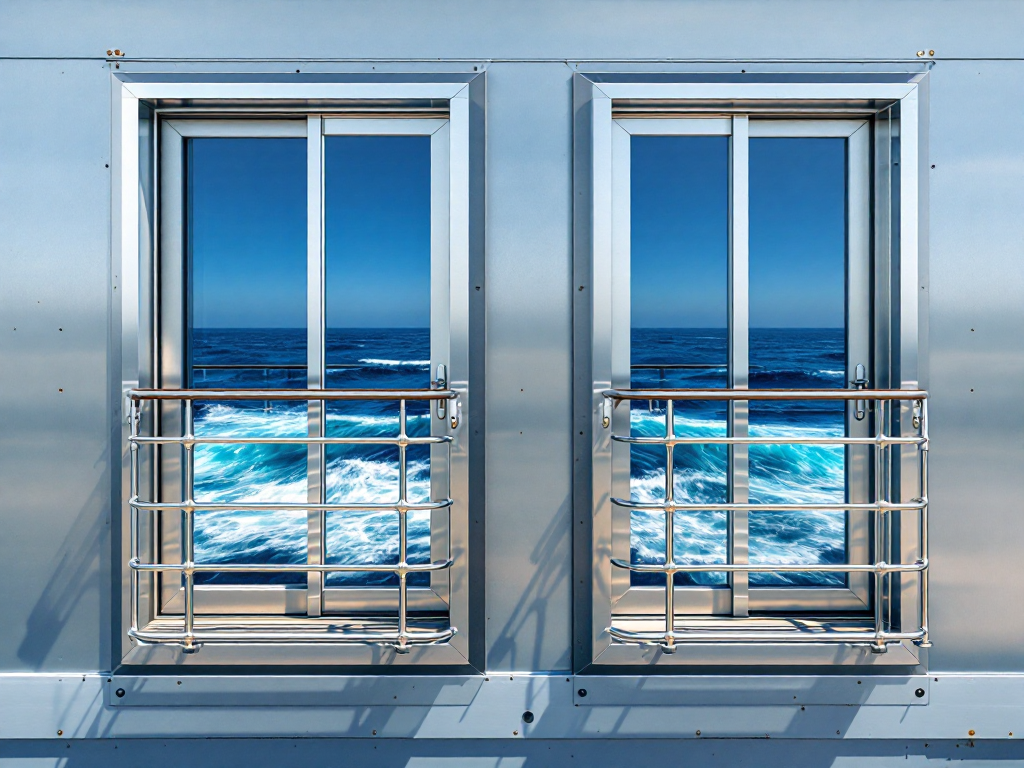
- Avoid connecting cabins — Some cruise lines offer connecting staterooms. Resist the temptation. You'll regret it.
- Request different deck positions — If you're booking with a concierge, tell them: "We want to be on the same deck, but not next door." They can work with you on this.
- Consider cabin type variety — It's okay if one couple books a verandah and another books an inside cabin. Don't feel obligated to match. But if you do choose different categories, revisit the money conversation.
- Communicate cabin logistics early — If one couple is in Cabin 8142 and another is in 8089, add those numbers to a group chat immediately. Then everyone knows where to find each other.
The Dining Question (It Matters More Than You Think)
Dining with other couples sounds romantic. In reality, it's complicated.
On Royal Caribbean, Celebrity, or Disney, you'll typically book dining with assigned seating in the main dining room (unless you do specialty restaurants, which cost extra). On Norwegian or Virgin Voyages, you have flexible dining, which actually gives you more freedom—you can dine together some nights and skip others.
If you're doing traditional assigned seating, here's the trap: You'll be at a table with other couples for every single dinner for a week. That's 7-8 meals. If one couple has different dietary preferences, or slower eating pace, or wants to leave early, or starts talking about politics, you're stuck.
I sailed with friends where one couple became obsessed with ordering from the menu while the other wanted the buffet. Seemed silly, but by Day 4, there was genuine tension about dinner plans. Nobody wanted to say it directly, so it just festered.
- Book a larger table — Instead of one 4-top, ask your concierge to book a 6 or 8-top with friends and some solo travelers or other couples. This gives you breathing room and conversation variety.
- Split specialty dinners — Maybe two couples do Izumi Teppanyaki on formal night, and two couples do the main dining room. You're together but not monotonously.
- Have an exit strategy — If dinner isn't working, it's okay to skip some nights. Don't make it a rule that you're all there every night. "We're going to try the buffet tomorrow" should be fine.
- Communicate pace differences early — Some people linger at dinner for 2 hours; others eat in 30 minutes. Know this about each other and adjust.
My personal rule: I'll book one formal dinner with friends, maybe a specialty restaurant another night. But I reserve the right to dine with my partner alone or grab casual food when I want.
Shore Excursions: The Biggest Potential Flashpoint
This is where things get real. You're in a port with limited time, and everyone wants something different.
One couple might want the $200 snorkeling excursion. Another wants the $80 historical walking tour. A third wants to stay on the ship and relax. A fourth wants to explore on their own.
Now, if expectations aren't set, here's what happens:
The couple that stayed on the ship feels left out. The couple that did the walking tour feels like the snorkelers got the "better" experience. The couple that explored alone gets judged for "not being a team." Money stress enters because people are comparing what they paid to what others did.
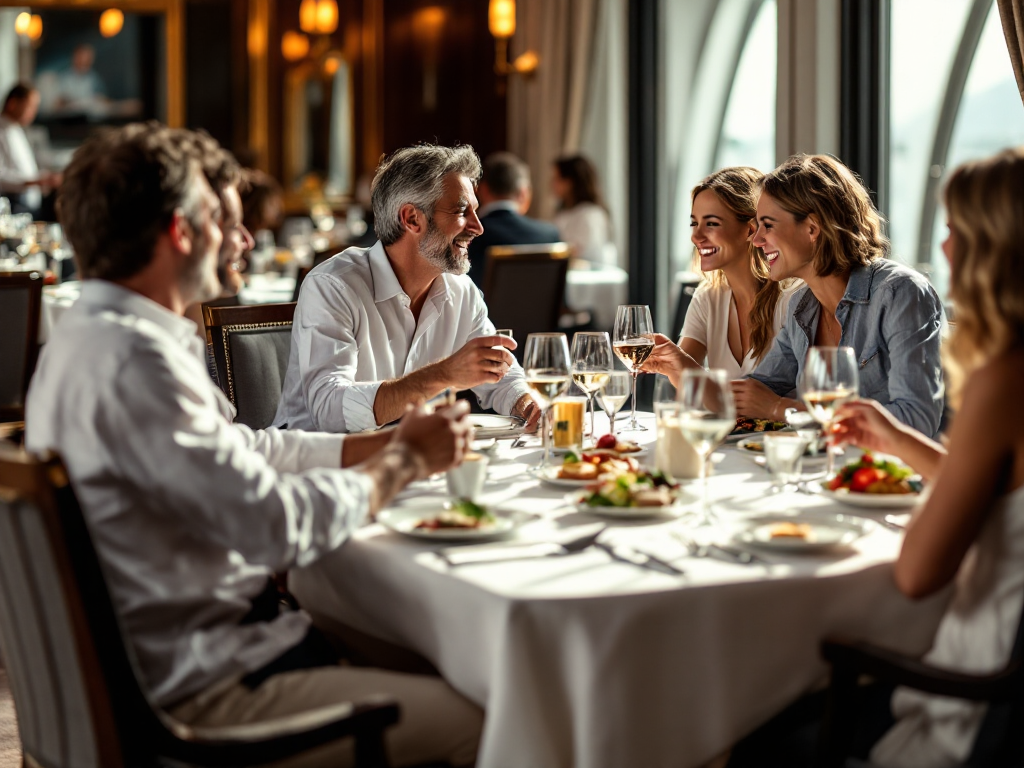
The fix: Treat ports like solo time. Each couple books their own excursions based on interest and budget. If two couples happen to want the same thing, great—share the excursion. If not, that's fine too. You can meet up for lunch and compare notes.
- Never assume everyone wants the same excursion — Ask first. Don't book as a group.
- Set a meetup point — "Let's grab lunch at that beach shack at 1pm" gives you connection time without forcing activities.
- Respect different travel styles — Some people want guided tours; some want freedom. Both are valid.
- Budget independently — Each couple pays for their own excursions. No splitting complicated bills.
Establish a Conflict Resolution Plan (Yes, Really)
Here's the thing about cruises: you can't escape people. You're on a ship. You can't just go home if things get tense.
So establish a system for handling conflict before anything goes wrong.
Maybe that's a simple group chat rule: "If something feels off, we text about it before it becomes a thing." Or: "If there's tension, we address it in private conversations, not as a big group." Or: "If a dinner gets weird, it's okay to skip the next one and reset."
I sailed with friends once where one couple felt like the other wasn't including their kids in group activities (it was a family cruise). Instead of addressing it directly, they just started declining invites. By Day 5, the whole group sensed coldness but nobody knew why. A simple conversation would've fixed it in two minutes.
- Agree on a "check-in" approach — Maybe daily texts, or a midweek huddle, or just "we talk directly if something bothers us." Pick one.
- Make it okay to take breaks — "I need some alone time" shouldn't trigger hurt feelings.
- No passive-aggressive comments — Obvious, but worth saying. If you're annoyed, say it. Don't let it fester.
- Remember why you're friends — Sounds cheesy, but when something feels off, refocus on the fact that you like these people.
Actual Logistics: Booking Together
Now, the practical stuff. How do you actually book four cabins without creating chaos?
Use the CruiseVoices Trip Planner or chat with our AI concierge about group bookings. They can coordinate multiple cabins, flag any issues (like one cabin being in a noisy spot), and ensure everyone gets their preferences.
Why not book separately? Because cruise lines have group policies, availability issues, and communication challenges when multiple bookings are involved. A concierge handles the logistics so you don't waste time coordinating emails.
- Share your group's must-haves early — Balcony vs. inside? High deck or low deck? Specific ship? Get alignment before booking.
- Have one person coordinate — Not "booking for everyone," but just being the point person for cabin selections and ensuring everyone's preferences are communicated.
- Get written confirmation of everything — Dining seating, cabin locations, special requests. Nobody relies on memory.
- Plan a pre-cruise group call — A week before departure, do a quick video call to finalize dinner expectations, port plans, and meet-up times.
The Bottom Line
Cruising with other couples can be amazing. I've had friend-group cruises that ranked in my top 5 vacations. The key is being intentional, talking things through early, and respecting that everyone has different preferences.
The couples who have drama aren't bad people—they just didn't communicate expectations upfront. They assumed everyone wanted the same things, or they let small frustrations build without addressing them.
You've got this. Just talk, plan smartly, and remember that the goal is to have fun together and separately. Both matter.
Share your friend-group cruise stories and advice in our Couples Cruising forum. What's worked for you? What should other couples avoid? Let's help each other cruise smarter.