

Living with severe food allergies doesn't have to end your cruising dreams — but it does require serious preparation and the right knowledge. After sailing with allergy-sensitive friends and family members on dozens of cruises, I've learned which cruise lines truly protect their allergic guests and which ones fall short. Here's your complete safety protocol for navigating food allergies at sea.
Start your safety protocol two months before sailing. Contact your cruise line's special needs department directly — not your travel agent. Each major cruise line has dedicated allergy coordinators who need detailed information about your specific allergies.
Royal Caribbean's Access Department requires a completed Special Services form 30 days before sailing, but I recommend submitting it 60 days out. They'll flag your reservation and coordinate with the food service director on your specific ship. Norwegian's Guest Services team needs similar advance notice, especially for severe nut allergies aboard ships like the Breakaway and Getaway where nut oils are used extensively in Asian specialty restaurants.
Princess Cruises has impressed me with their allergy protocols — they actually assign a dedicated dining coordinator who meets with you on embarkation day. Celebrity and Holland America offer similar personalized service, though Celebrity's protocols are more consistent across their fleet.
Critical documentation you'll need:
Pack triple the emergency medications you think you'll need. I've seen passengers run low on EpiPens after extended itineraries, and restocking in Caribbean or Mediterranean ports can be challenging and expensive.
Share your specific experiences and preparation tips in our Dietary Needs forum!
Your first stop after checking in should be the Guest Services desk, not your cabin. Request an immediate meeting with the Food Service Manager or Executive Chef. On ships like Royal Caribbean's Oasis-class vessels, this person oversees 20+ dining venues — they need to personally understand your allergy severity.
During this meeting, establish your "safe dining" protocol. Most cruise lines will designate 1-2 main dining rooms as your primary safe zones. On Norwegian Epic, for example, they typically recommend Manhattan Restaurant over Taste because of better kitchen separation protocols. Disney Cruise Line goes further — they'll actually prepare allergen-free meals in a separate galley space.
Get contact information for:
Request a cabin location near medical facilities if you have severe allergies. Deck 4 midship on most vessels puts you within 2-3 minutes of the medical center. It's worth the upgrade cost for peace of mind.
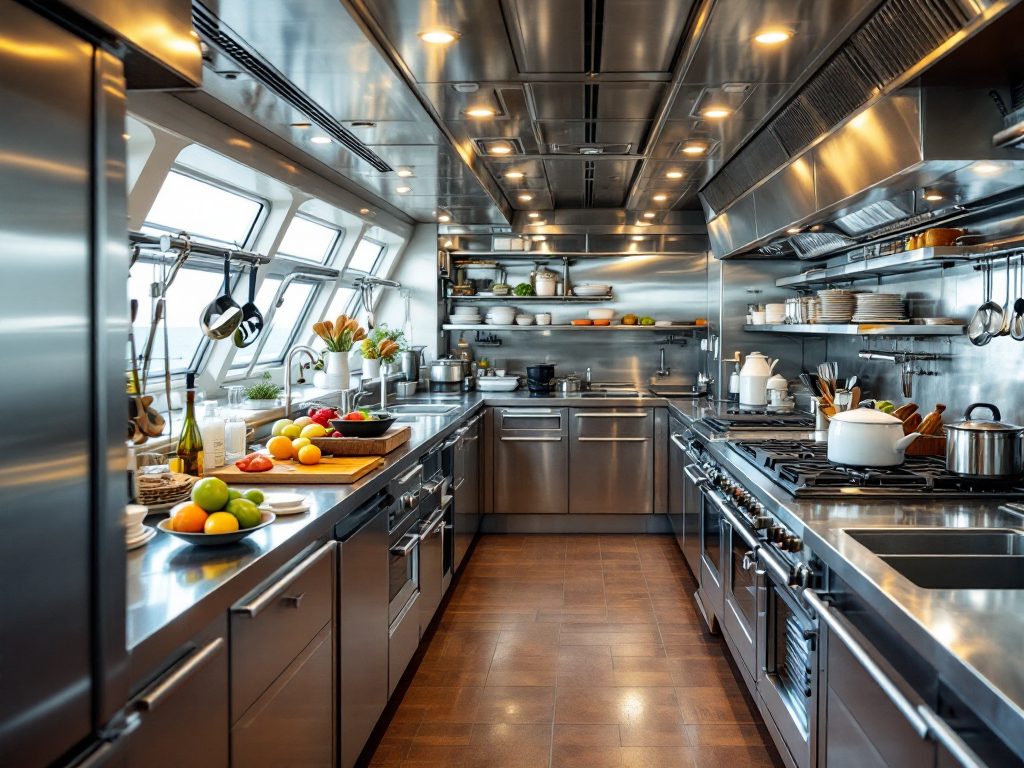
Tour your designated "safe" kitchens if possible. Celebrity and Princess often allow this, while mass-market lines like Carnival are less accommodating. The food service manager should walk you through their cross-contamination prevention protocols.
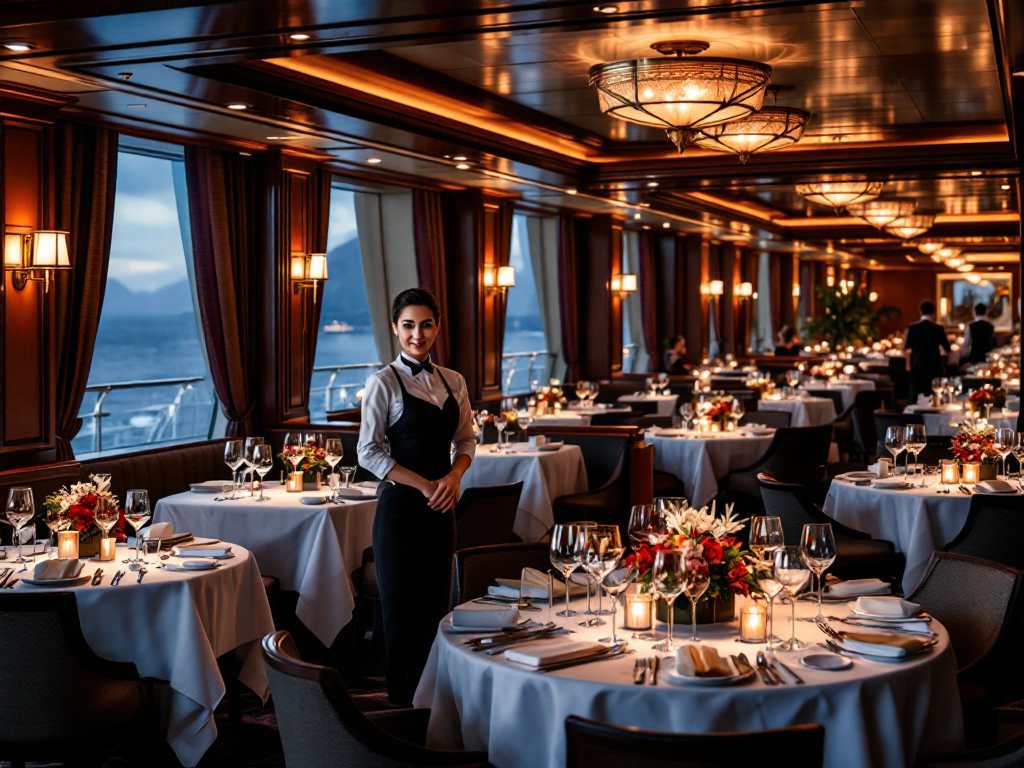
Main Dining Room: Your safest bet on any cruise. Speak directly with your head waiter and sommelier about your allergies every single night — don't assume they remember from previous evenings. Request that your meals be prepared "first out" of the kitchen to minimize cross-contamination risk.
On ships like Royal Caribbean's Symphony of the Seas, the main dining room kitchens have dedicated allergen-free prep areas. Norwegian's newer ships (Bliss, Joy, Encore) have similar setups, though execution varies by crew training.
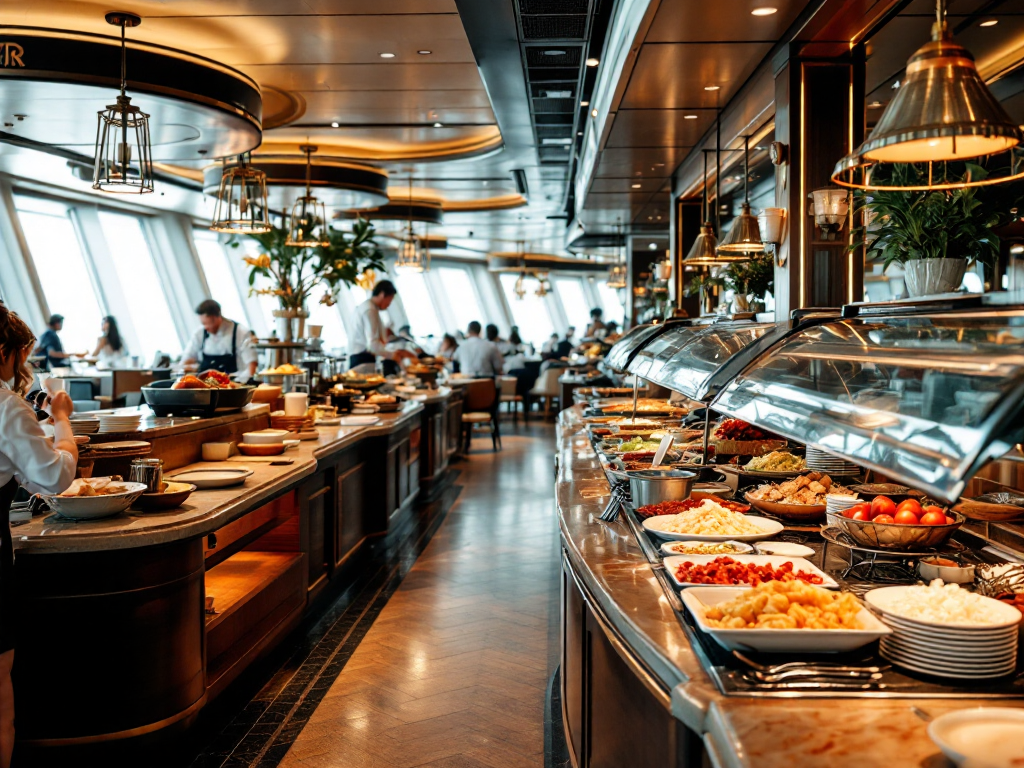
Buffet Restaurants: Proceed with extreme caution. Windjammer Café on Royal Caribbean ships and Garden Café on Norwegian have improved their allergen labeling significantly in 2026, but cross-contamination from serving utensils remains a major risk. I've watched passengers unknowingly use the same tongs for shellfish and salad countless times.
Disney's Cabanas buffet offers the best allergy safety — they provide separate serving utensils for each dish and replace them frequently. Celebrity's Ocean View Café has dedicated allergen-free stations, though they're not always consistently maintained.
Specialty Restaurants: These require individual assessment. Steakhouses like Royal Caribbean's Chops Grille are generally safer for nut allergies but dangerous for shellfish sensitivities (shared grills). Asian restaurants across all cruise lines pose the highest cross-contamination risks due to extensive use of nut oils and shellfish-based sauces.
Always request to speak with the specialty restaurant chef before ordering. Most are accommodating, but some venues simply cannot guarantee allergen-free preparation.
Find detailed restaurant-by-restaurant experiences in our Dietary Needs forum!
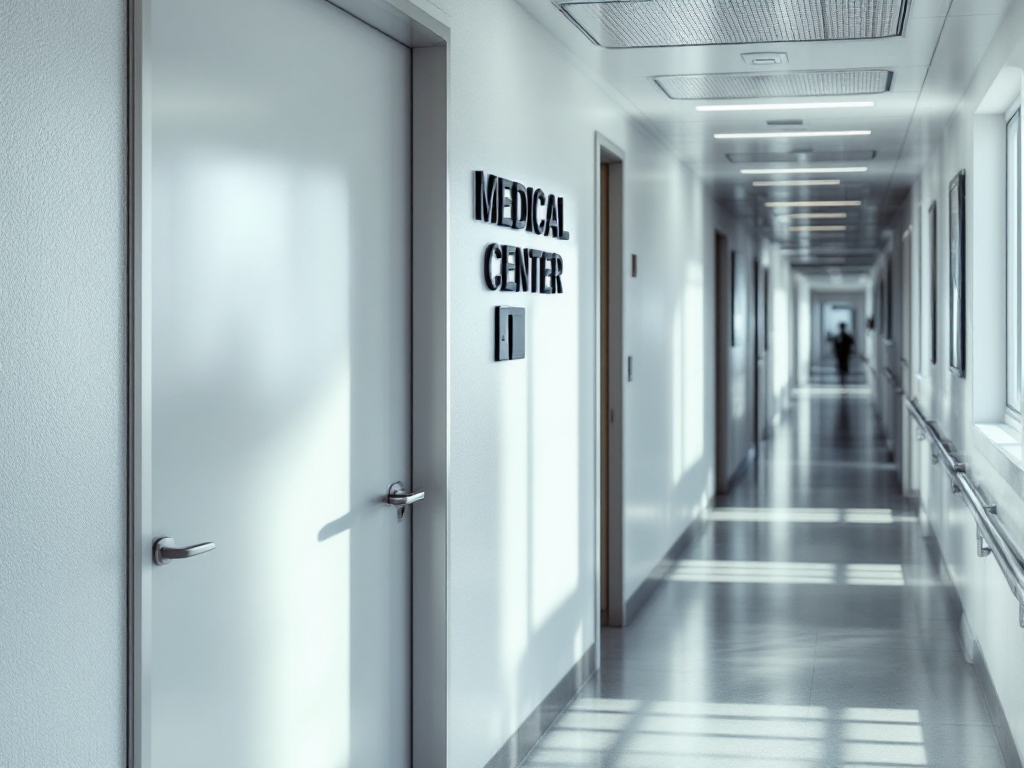
Every cruise ship medical center is equipped to handle anaphylactic reactions, but response times and medication availability vary significantly. Larger ships (3,000+ passengers) typically have full-time physicians, while smaller vessels may rely on nurse practitioners.
Celebrity and Princess medical centers stock epinephrine auto-injectors, but they're often European brands with different dosing than your prescribed EpiPen. Bring your own — multiple units — and ensure they're stored properly. Cabin refrigerators aren't temperature-controlled precisely enough for long cruises.
Know your ship's medical capabilities:
Caribbean itineraries offer more evacuation options than transatlantic crossings. If you have severe, life-threatening allergies, consider avoiding repositioning cruises and extended sea day itineraries.
Medical insurance that covers cruise ship evacuations is essential. Standard policies often exclude "adventure travel" — and yes, some insurers classify cruising as such. Expect evacuation costs of $15,000-$50,000 depending on location and method.
Excellent Allergy Management:
- Disney Cruise Line: Separate galley preparation, detailed staff training, consistent protocols
- Celebrity Cruises: Dedicated allergy coordinators, clean prep areas, knowledgeable staff
- Princess Cruises: Personal dining meetings, flexible kitchen accommodations
Good with Room for Improvement:
- Royal Caribbean: Hit-or-miss depending on ship and crew, but policies are comprehensive
- Holland America: Strong protocols but less consistent execution
- Norwegian: Improving rapidly, but some ships still lag in staff training
Proceed with Extra Caution:
- Carnival: Basic accommodations, limited specialty staff training
- MSC: Inconsistent protocols, language barriers can complicate communication
- Virgin Voyages: New processes still being refined, limited long-term track record
Remember: Individual crew training matters more than corporate policies. A well-trained food service team on any line beats poorly trained crew on premium lines.
Shore excursions present unique challenges for allergic guests. Cruise line excursions cannot guarantee allergen-free meals during full-day tours. Pack safe snacks and emergency medications for every port day — even "short" 4-hour excursions can extend to 8+ hours if there are delays.
Research local emergency medical facilities before each port. Cozumel has excellent facilities near the cruise terminals, while smaller Caribbean islands may require helicopter evacuation to larger islands. European ports generally offer superior medical care, but language barriers can complicate emergency situations.
Avoid street food and local markets unless you're fluent in the local language and can communicate your allergies clearly. Even then, cross-contamination in local food preparation is often unavoidable.
60 Days Before: Contact cruise line allergy coordinator, submit medical documentation, arrange travel insurance
30 Days Before: Confirm special meal arrangements, research port medical facilities, pack emergency medications
Embarkation Day: Meet Food Service Manager, tour safe dining venues, establish emergency protocols
Daily: Communicate allergies to dining staff, avoid high-risk venues, carry emergency medications
Port Days: Pack safe snacks, research local medical facilities, avoid unfamiliar foods
Cruising with food allergies requires vigilance, but it's absolutely manageable with proper preparation. The key is building multiple safety nets — from pre-cruise coordination to onboard protocols to emergency planning.
Connect with other cruisers managing food allergies and share your experiences in our Dietary Needs and Special Requests forum — your insights could save someone's vacation or even their life!
Pre-Cruise Preparation: Your 60-Day Action Plan
Start your safety protocol two months before sailing. Contact your cruise line's special needs department directly — not your travel agent. Each major cruise line has dedicated allergy coordinators who need detailed information about your specific allergies.
Royal Caribbean's Access Department requires a completed Special Services form 30 days before sailing, but I recommend submitting it 60 days out. They'll flag your reservation and coordinate with the food service director on your specific ship. Norwegian's Guest Services team needs similar advance notice, especially for severe nut allergies aboard ships like the Breakaway and Getaway where nut oils are used extensively in Asian specialty restaurants.
Princess Cruises has impressed me with their allergy protocols — they actually assign a dedicated dining coordinator who meets with you on embarkation day. Celebrity and Holland America offer similar personalized service, though Celebrity's protocols are more consistent across their fleet.
Critical documentation you'll need:
- Letter from your allergist detailing severity and emergency protocols
- Complete list of all allergens and cross-contamination concerns
- Emergency medication list (including generic names for international waters)
- Emergency contact information for your physician
Pack triple the emergency medications you think you'll need. I've seen passengers run low on EpiPens after extended itineraries, and restocking in Caribbean or Mediterranean ports can be challenging and expensive.
Share your specific experiences and preparation tips in our Dietary Needs forum!
Embarkation Day: Setting Up Your Safety Network
Your first stop after checking in should be the Guest Services desk, not your cabin. Request an immediate meeting with the Food Service Manager or Executive Chef. On ships like Royal Caribbean's Oasis-class vessels, this person oversees 20+ dining venues — they need to personally understand your allergy severity.
During this meeting, establish your "safe dining" protocol. Most cruise lines will designate 1-2 main dining rooms as your primary safe zones. On Norwegian Epic, for example, they typically recommend Manhattan Restaurant over Taste because of better kitchen separation protocols. Disney Cruise Line goes further — they'll actually prepare allergen-free meals in a separate galley space.
Get contact information for:
- Food Service Manager (direct extension to their cabin)
- Medical Center location and hours
- Guest Services emergency line
- Your dining coordinator (if assigned)
Request a cabin location near medical facilities if you have severe allergies. Deck 4 midship on most vessels puts you within 2-3 minutes of the medical center. It's worth the upgrade cost for peace of mind.
Tour your designated "safe" kitchens if possible. Celebrity and Princess often allow this, while mass-market lines like Carnival are less accommodating. The food service manager should walk you through their cross-contamination prevention protocols.
Daily Dining Safety Protocols by Venue Type
Main Dining Room: Your safest bet on any cruise. Speak directly with your head waiter and sommelier about your allergies every single night — don't assume they remember from previous evenings. Request that your meals be prepared "first out" of the kitchen to minimize cross-contamination risk.
On ships like Royal Caribbean's Symphony of the Seas, the main dining room kitchens have dedicated allergen-free prep areas. Norwegian's newer ships (Bliss, Joy, Encore) have similar setups, though execution varies by crew training.
Buffet Restaurants: Proceed with extreme caution. Windjammer Café on Royal Caribbean ships and Garden Café on Norwegian have improved their allergen labeling significantly in 2026, but cross-contamination from serving utensils remains a major risk. I've watched passengers unknowingly use the same tongs for shellfish and salad countless times.
Disney's Cabanas buffet offers the best allergy safety — they provide separate serving utensils for each dish and replace them frequently. Celebrity's Ocean View Café has dedicated allergen-free stations, though they're not always consistently maintained.
Specialty Restaurants: These require individual assessment. Steakhouses like Royal Caribbean's Chops Grille are generally safer for nut allergies but dangerous for shellfish sensitivities (shared grills). Asian restaurants across all cruise lines pose the highest cross-contamination risks due to extensive use of nut oils and shellfish-based sauces.
Always request to speak with the specialty restaurant chef before ordering. Most are accommodating, but some venues simply cannot guarantee allergen-free preparation.
Find detailed restaurant-by-restaurant experiences in our Dietary Needs forum!
Emergency Protocols and Medical Considerations
Every cruise ship medical center is equipped to handle anaphylactic reactions, but response times and medication availability vary significantly. Larger ships (3,000+ passengers) typically have full-time physicians, while smaller vessels may rely on nurse practitioners.
Celebrity and Princess medical centers stock epinephrine auto-injectors, but they're often European brands with different dosing than your prescribed EpiPen. Bring your own — multiple units — and ensure they're stored properly. Cabin refrigerators aren't temperature-controlled precisely enough for long cruises.
Know your ship's medical capabilities:
- 24-hour medical center vs. limited hours
- Helicopter evacuation availability (important for sea days)
- Nearest port with advanced medical facilities
- Onboard pharmacy medication availability
Caribbean itineraries offer more evacuation options than transatlantic crossings. If you have severe, life-threatening allergies, consider avoiding repositioning cruises and extended sea day itineraries.
Medical insurance that covers cruise ship evacuations is essential. Standard policies often exclude "adventure travel" — and yes, some insurers classify cruising as such. Expect evacuation costs of $15,000-$50,000 depending on location and method.
Cruise Line Allergy Safety Rankings: The Truth About Who Protects You Best
Excellent Allergy Management:
- Disney Cruise Line: Separate galley preparation, detailed staff training, consistent protocols
- Celebrity Cruises: Dedicated allergy coordinators, clean prep areas, knowledgeable staff
- Princess Cruises: Personal dining meetings, flexible kitchen accommodations
Good with Room for Improvement:
- Royal Caribbean: Hit-or-miss depending on ship and crew, but policies are comprehensive
- Holland America: Strong protocols but less consistent execution
- Norwegian: Improving rapidly, but some ships still lag in staff training
Proceed with Extra Caution:
- Carnival: Basic accommodations, limited specialty staff training
- MSC: Inconsistent protocols, language barriers can complicate communication
- Virgin Voyages: New processes still being refined, limited long-term track record
Remember: Individual crew training matters more than corporate policies. A well-trained food service team on any line beats poorly trained crew on premium lines.
Port Days and Excursion Safety
Shore excursions present unique challenges for allergic guests. Cruise line excursions cannot guarantee allergen-free meals during full-day tours. Pack safe snacks and emergency medications for every port day — even "short" 4-hour excursions can extend to 8+ hours if there are delays.
Research local emergency medical facilities before each port. Cozumel has excellent facilities near the cruise terminals, while smaller Caribbean islands may require helicopter evacuation to larger islands. European ports generally offer superior medical care, but language barriers can complicate emergency situations.
Avoid street food and local markets unless you're fluent in the local language and can communicate your allergies clearly. Even then, cross-contamination in local food preparation is often unavoidable.
Your Allergy Safety Checklist
60 Days Before: Contact cruise line allergy coordinator, submit medical documentation, arrange travel insurance
30 Days Before: Confirm special meal arrangements, research port medical facilities, pack emergency medications
Embarkation Day: Meet Food Service Manager, tour safe dining venues, establish emergency protocols
Daily: Communicate allergies to dining staff, avoid high-risk venues, carry emergency medications
Port Days: Pack safe snacks, research local medical facilities, avoid unfamiliar foods
Cruising with food allergies requires vigilance, but it's absolutely manageable with proper preparation. The key is building multiple safety nets — from pre-cruise coordination to onboard protocols to emergency planning.
Connect with other cruisers managing food allergies and share your experiences in our Dietary Needs and Special Requests forum — your insights could save someone's vacation or even their life!