

Ever wondered what crew members are really talking about when they use those mysterious code words? After 40+ cruises and countless conversations with crew from housekeeping to bridge officers, I've decoded the secret language that keeps cruise ships running smoothly. Some of it will make you laugh, some might surprise you, and all of it will give you insider insight into life aboard these floating cities.
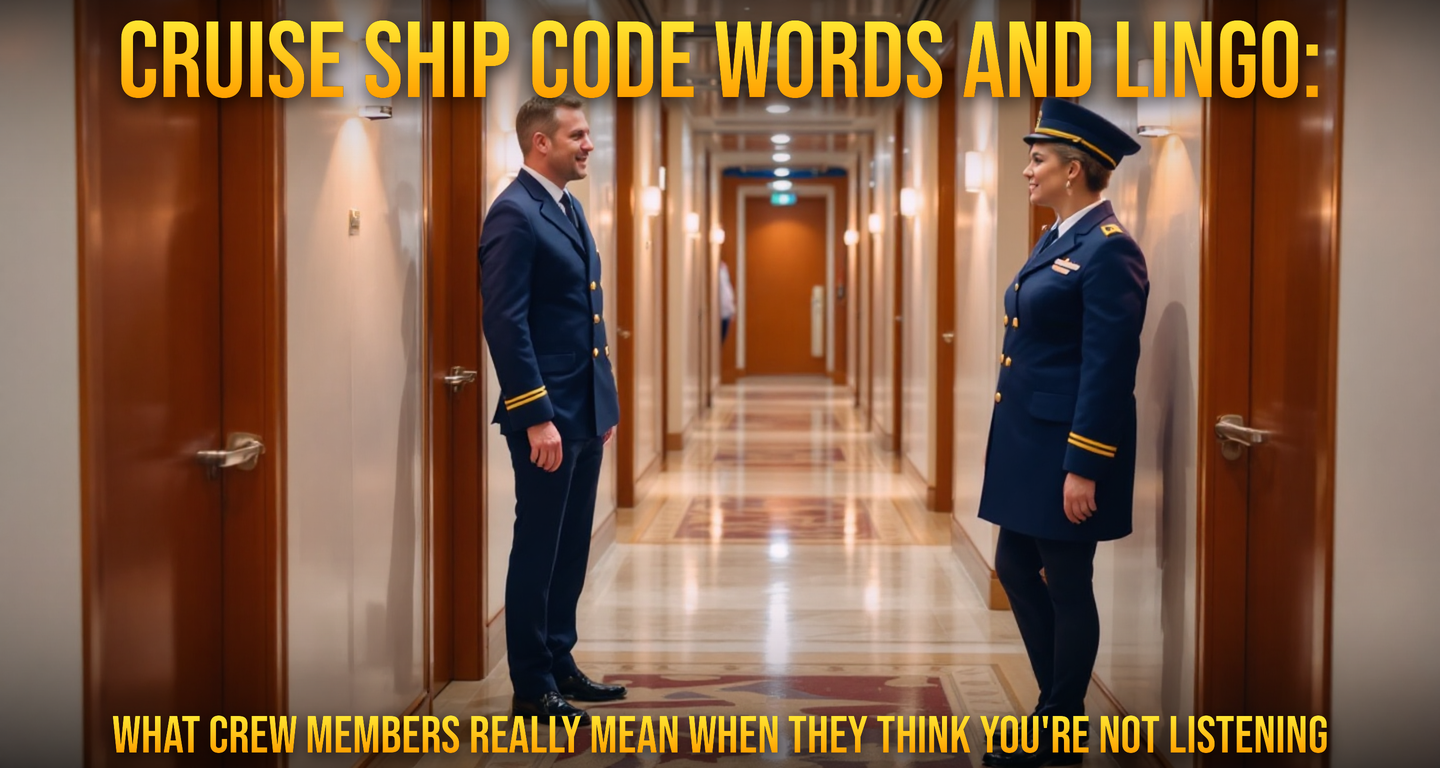
Let's start with the most confusing one: "banana." I first heard this on Celebrity Eclipse when our room steward mentioned "training a banana" to his supervisor. Turns out, crew use "banana" for brand-new team members – they're still "green" and need time to ripen into experienced staff.
But here's where it gets interesting: "banana" also refers to passengers who are, well, going bananas. On Norwegian Getaway, I watched a guest absolutely lose it over the pool deck music volume, and within minutes, crew were discretely radio-ing about "banana in deck 12 aft." It's their polite way of warning each other about difficult situations without being obvious.
I've also heard "banana" used on Royal Caribbean ships for seasick passengers (the yellow-green complexion connection), though crew are usually more sympathetic than that sounds.
Crew have developed an entire taxonomy for different passenger types, and once you know them, you'll start noticing the patterns everywhere:
"Groundhog" refers to passengers who never leave the ship at ports. On my last Carnival Celebration cruise, our bartender joked about "serving the groundhogs" while everyone else explored Cozumel. No judgment – sometimes the ship is the best part of the vacation.
"Pineapple" has a very specific meaning in cruise culture that goes beyond crew lingo. It's the widely recognized symbol for swingers, and crew are definitely aware when they see pineapple decorations on cabin doors or clothing. This isn't crew-created code – it's passenger-driven, but crew know what it means.
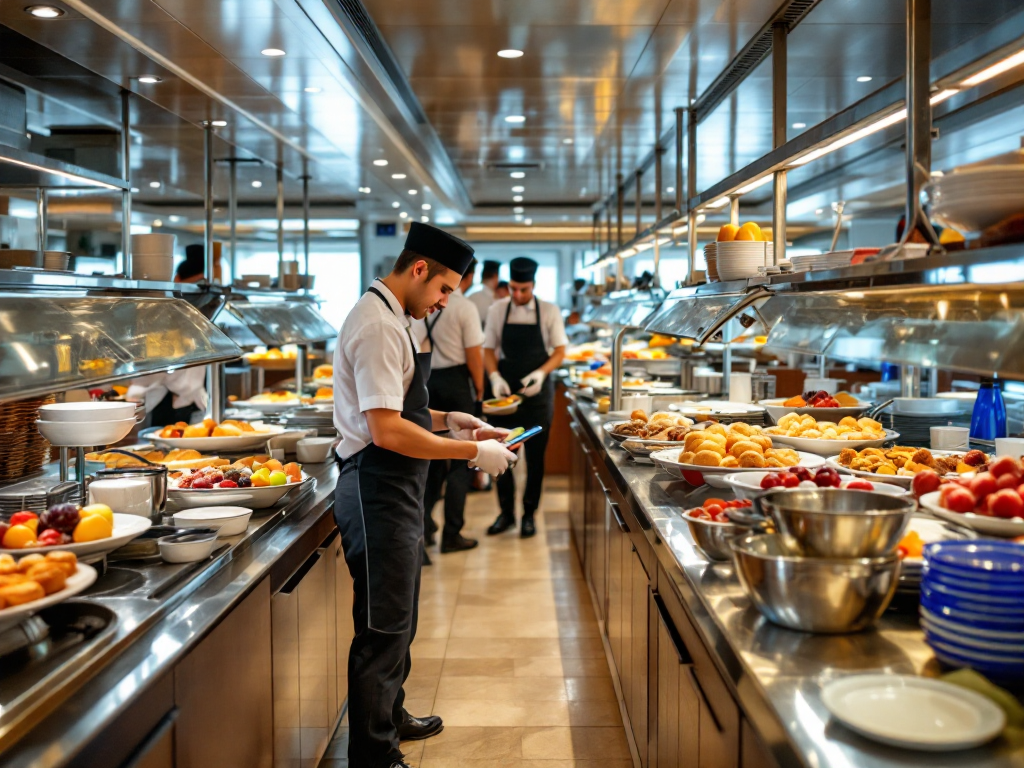
"Seagull" describes passengers who swoop in and grab excessive amounts of food at buffets, especially during popular times. I witnessed this firsthand on Symphony of the Seas when the crew restocking the Windjammer were talking about "seagull season" during lunch rush.
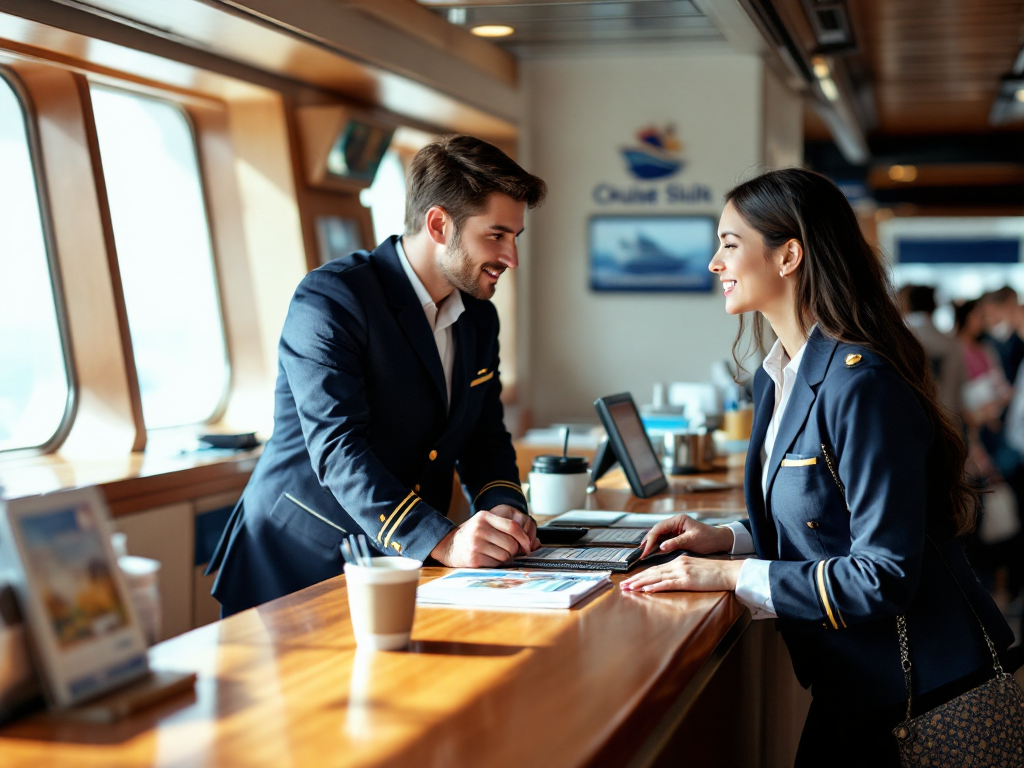
"Squawk" means passenger complaint, borrowed from aviation terminology. When you hear crew mention a "squawk," they're discussing how to resolve an issue. The Guest Services desk on Princess ships gets particularly busy with "squawks" on embarkation day.
"Galley talk" refers to crew gossip or rumors spreading through ship departments. With 1,200+ crew living in close quarters for months, information travels fast. Smart crew members know to verify "galley talk" before acting on it.
"Code Brown" isn't official, but it's universally understood by housekeeping staff – it means dealing with bathroom disasters in passenger cabins. Having sailed with friends' kids, I can confirm this happens more than you'd think.
"Inspector" can mean actual health or safety inspectors, but crew also use it to warn about management doing surprise checks. When you hear "inspector on deck 7," crew are making sure everything looks perfect.
Dining room and buffet staff have their own specialized vocabulary that reveals a lot about cruise operations:
"Campers" are passengers who occupy dining room tables for hours, preventing turnover during busy seatings. Main dining rooms on ships like Oasis of the Seas need quick table turns to serve 3,000+ passengers per seating.
"Food coma" describes the post-meal stupor that hits passengers, especially after specialty restaurant dinners. Crew time their service around this phenomenon – ever notice how deck activities slow down after dinner?
"Runners" in this context means passengers who take food from restaurants back to their cabins, despite policies against it. Room service staff on luxury lines like Viking Ocean see evidence of "runners" regularly.
While official emergency codes are standardized (Alpha for medical, Bravo for fire), crew have informal codes for less serious situations:
"Code Grey" isn't official but means lost passenger – usually someone who can't find their cabin or is confused about ship layout. This happens constantly on mega-ships like Wonder of the Seas with 18 decks.
"Wobbler" refers to intoxicated passengers who need assistance. Security and guest services coordinate "wobbler" situations to ensure passenger safety without embarrassment.
"Code Chocolate" is housekeeping slang for passengers who've left their cabin in particularly messy condition. Chocolate isn't always involved – it's just their polite way of describing cleanup challenges.
Each ship department has developed specialized terminology:
Entertainment Staff:
"Crickets" means an activity or show with poor attendance. "Cheerleaders" are passengers who enthusiastically participate in everything, making events more successful.
Housekeeping:
"Tip fairy" describes generous passengers who leave daily tips. "Ghost cabin" means passengers who are never in their room during cleaning times.
Bar Staff:
"Lemon" refers to passengers who complain about every drink. "Repeat offender" means someone who consistently over-orders at all-inclusive bars.
"Stragglers" are passengers running late for all-aboard time. Shore excursion staff track "stragglers" carefully to avoid departure delays. On Caribbean itineraries, Cozumel and Nassau generate the most "straggler" situations.
"Port runners" are independent explorers who skip ship excursions. Crew respect "port runners" who know what they're doing but worry about inexperienced ones missing departure times.
"Shopping zombies" describes passengers who get overwhelmed by port shopping districts and wander aimlessly. St. Thomas and St. Maarten generate lots of "shopping zombies" due to their extensive duty-free areas.
These code words serve important purposes beyond entertainment. They allow crew to communicate efficiently about passenger situations without causing embarrassment or alarm. When crew need to coordinate responses to challenging situations, coded language maintains professionalism.
More importantly, understanding this lingo helps you appreciate the complexity of cruise operations. Every "banana," "squawk," and "groundhog" represents crew members working to ensure passenger satisfaction while managing the logistics of floating cities.
Knowing crew lingo doesn't mean eavesdropping or trying to decode every conversation. Instead, it helps you:
Appreciate the professionalism required to manage thousands of passengers diplomatically. When crew use "banana" instead of "difficult passenger," they're maintaining service standards while protecting everyone's dignity.
Understand that crew communication is highly organized and purposeful. These aren't random nicknames – they're efficient operational tools.
Realize that crew observe passenger patterns and behaviors to improve service. "Groundhogs" and "seagulls" help crew anticipate needs and adjust operations accordingly.
The next time you're on a cruise, listen for these terms with new understanding. You're hearing the secret language that keeps your floating vacation running smoothly, one "banana" and "squawk" at a time.
Have you noticed crew using interesting code words on your cruises? Share your experiences and help decode more cruise ship mysteries in our General Cruise Discussion forum!
The "Banana" Mystery Solved
Let's start with the most confusing one: "banana." I first heard this on Celebrity Eclipse when our room steward mentioned "training a banana" to his supervisor. Turns out, crew use "banana" for brand-new team members – they're still "green" and need time to ripen into experienced staff.
But here's where it gets interesting: "banana" also refers to passengers who are, well, going bananas. On Norwegian Getaway, I watched a guest absolutely lose it over the pool deck music volume, and within minutes, crew were discretely radio-ing about "banana in deck 12 aft." It's their polite way of warning each other about difficult situations without being obvious.
I've also heard "banana" used on Royal Caribbean ships for seasick passengers (the yellow-green complexion connection), though crew are usually more sympathetic than that sounds.
Passenger Code Names You Need to Know
Crew have developed an entire taxonomy for different passenger types, and once you know them, you'll start noticing the patterns everywhere:
"Groundhog" refers to passengers who never leave the ship at ports. On my last Carnival Celebration cruise, our bartender joked about "serving the groundhogs" while everyone else explored Cozumel. No judgment – sometimes the ship is the best part of the vacation.
"Pineapple" has a very specific meaning in cruise culture that goes beyond crew lingo. It's the widely recognized symbol for swingers, and crew are definitely aware when they see pineapple decorations on cabin doors or clothing. This isn't crew-created code – it's passenger-driven, but crew know what it means.
"Seagull" describes passengers who swoop in and grab excessive amounts of food at buffets, especially during popular times. I witnessed this firsthand on Symphony of the Seas when the crew restocking the Windjammer were talking about "seagull season" during lunch rush.
Operational Code Words That Keep Ships Running
"Squawk" means passenger complaint, borrowed from aviation terminology. When you hear crew mention a "squawk," they're discussing how to resolve an issue. The Guest Services desk on Princess ships gets particularly busy with "squawks" on embarkation day.
"Galley talk" refers to crew gossip or rumors spreading through ship departments. With 1,200+ crew living in close quarters for months, information travels fast. Smart crew members know to verify "galley talk" before acting on it.
"Code Brown" isn't official, but it's universally understood by housekeeping staff – it means dealing with bathroom disasters in passenger cabins. Having sailed with friends' kids, I can confirm this happens more than you'd think.
"Inspector" can mean actual health or safety inspectors, but crew also use it to warn about management doing surprise checks. When you hear "inspector on deck 7," crew are making sure everything looks perfect.
Food Service Secret Language
Dining room and buffet staff have their own specialized vocabulary that reveals a lot about cruise operations:
"Campers" are passengers who occupy dining room tables for hours, preventing turnover during busy seatings. Main dining rooms on ships like Oasis of the Seas need quick table turns to serve 3,000+ passengers per seating.
"Food coma" describes the post-meal stupor that hits passengers, especially after specialty restaurant dinners. Crew time their service around this phenomenon – ever notice how deck activities slow down after dinner?
"Runners" in this context means passengers who take food from restaurants back to their cabins, despite policies against it. Room service staff on luxury lines like Viking Ocean see evidence of "runners" regularly.
Safety and Emergency Codes
While official emergency codes are standardized (Alpha for medical, Bravo for fire), crew have informal codes for less serious situations:
"Code Grey" isn't official but means lost passenger – usually someone who can't find their cabin or is confused about ship layout. This happens constantly on mega-ships like Wonder of the Seas with 18 decks.
"Wobbler" refers to intoxicated passengers who need assistance. Security and guest services coordinate "wobbler" situations to ensure passenger safety without embarrassment.
"Code Chocolate" is housekeeping slang for passengers who've left their cabin in particularly messy condition. Chocolate isn't always involved – it's just their polite way of describing cleanup challenges.
Department-Specific Lingo
Each ship department has developed specialized terminology:
Entertainment Staff:
"Crickets" means an activity or show with poor attendance. "Cheerleaders" are passengers who enthusiastically participate in everything, making events more successful.
Housekeeping:
"Tip fairy" describes generous passengers who leave daily tips. "Ghost cabin" means passengers who are never in their room during cleaning times.
Bar Staff:
"Lemon" refers to passengers who complain about every drink. "Repeat offender" means someone who consistently over-orders at all-inclusive bars.
Port and Shore Excursion Codes
"Stragglers" are passengers running late for all-aboard time. Shore excursion staff track "stragglers" carefully to avoid departure delays. On Caribbean itineraries, Cozumel and Nassau generate the most "straggler" situations.
"Port runners" are independent explorers who skip ship excursions. Crew respect "port runners" who know what they're doing but worry about inexperienced ones missing departure times.
"Shopping zombies" describes passengers who get overwhelmed by port shopping districts and wander aimlessly. St. Thomas and St. Maarten generate lots of "shopping zombies" due to their extensive duty-free areas.
Understanding the Why Behind the Words
These code words serve important purposes beyond entertainment. They allow crew to communicate efficiently about passenger situations without causing embarrassment or alarm. When crew need to coordinate responses to challenging situations, coded language maintains professionalism.
More importantly, understanding this lingo helps you appreciate the complexity of cruise operations. Every "banana," "squawk," and "groundhog" represents crew members working to ensure passenger satisfaction while managing the logistics of floating cities.
How This Knowledge Helps Your Cruise Experience
Knowing crew lingo doesn't mean eavesdropping or trying to decode every conversation. Instead, it helps you:
Appreciate the professionalism required to manage thousands of passengers diplomatically. When crew use "banana" instead of "difficult passenger," they're maintaining service standards while protecting everyone's dignity.
Understand that crew communication is highly organized and purposeful. These aren't random nicknames – they're efficient operational tools.
Realize that crew observe passenger patterns and behaviors to improve service. "Groundhogs" and "seagulls" help crew anticipate needs and adjust operations accordingly.
The next time you're on a cruise, listen for these terms with new understanding. You're hearing the secret language that keeps your floating vacation running smoothly, one "banana" and "squawk" at a time.
Have you noticed crew using interesting code words on your cruises? Share your experiences and help decode more cruise ship mysteries in our General Cruise Discussion forum!