

You're standing at the ship's medical center, holding a $3,200 bill for what you thought would be a simple seasickness treatment. Or maybe you're stuck in Miami after missing your connection, watching your cruise ship sail away while you frantically call your insurance company. I've seen both scenarios play out, and here's the harsh truth: your cruise insurance claim might get denied for reasons you never saw coming.
After 40+ cruises and countless conversations with fellow travelers who've filed claims, I've learned that the gap between what you think your policy covers and what it actually covers can cost you thousands. Let me walk you through the most common claim denials I've witnessed and exactly how to protect yourself.
Sarah booked her Celebrity Apex Mediterranean cruise in January 2026, then purchased travel insurance three weeks later. In March, her doctor adjusted her blood pressure medication. By sailing time in June, she felt great—until day three when she had a hypertensive crisis requiring helicopter evacuation from Santorini.
The insurance company denied her $8,000 claim because her medication change constituted a "pre-existing condition" that wasn't stable during the look-back period (typically 60-180 days before purchasing insurance).
The mistake: Sarah didn't understand that even minor medication adjustments can trigger pre-existing condition exclusions.
How to avoid it: Purchase insurance within 14-21 days of your initial cruise deposit (this varies by provider). This activates the pre-existing condition waiver for most policies. More importantly, read the exact definition of "stable" in your policy—it's usually stricter than you think.
Pro tip from my experience: I always photograph my policy's pre-existing condition section and share it with my doctor. They can help ensure any treatment timing doesn't accidentally void coverage.
Tom thought he was being responsible when he purchased comprehensive coverage before his Royal Caribbean Symphony of the Seas cruise. During a Cozumel excursion, he injured his shoulder on a zip-line tour—a standard cruise port activity offered by thousands of passengers.
Claim denied. Reason? Zip-lining was classified as an "adventure sport" excluded from coverage.

The mistake: Tom assumed "cruise excursion" meant "automatically covered." Many policies have lengthy lists of excluded activities that include common shore excursion elements like zip-lining, horseback riding, or even snorkeling in some cases.
How to avoid it: Before booking any excursion, cross-reference the activities with your policy's excluded activities list. It's usually buried deep in the policy document, but it's there. If you're planning adventure activities, specifically purchase a policy that includes adventure sports coverage—expect to pay 20-30% more.
What I do: I keep a master list of activities I typically enjoy (snorkeling, hiking, kayaking) and check every new policy against this list before purchasing.
This one hurts because it happened to a couple I met on Norwegian Bliss. Janet had a heart attack while we were docked in Juneau. The ship's medical team stabilized her, and she was transported to Juneau's hospital, then later flown to Seattle for specialized care.
Total medical evacuation cost: $47,000. Insurance payout: $0.
The reason: Their policy defined medical evacuation as transport to the "nearest adequate medical facility." Since Juneau had cardiac care facilities, the insurance company argued that Seattle wasn't necessary—even though Janet's cardiologist recommended the specialized facility.
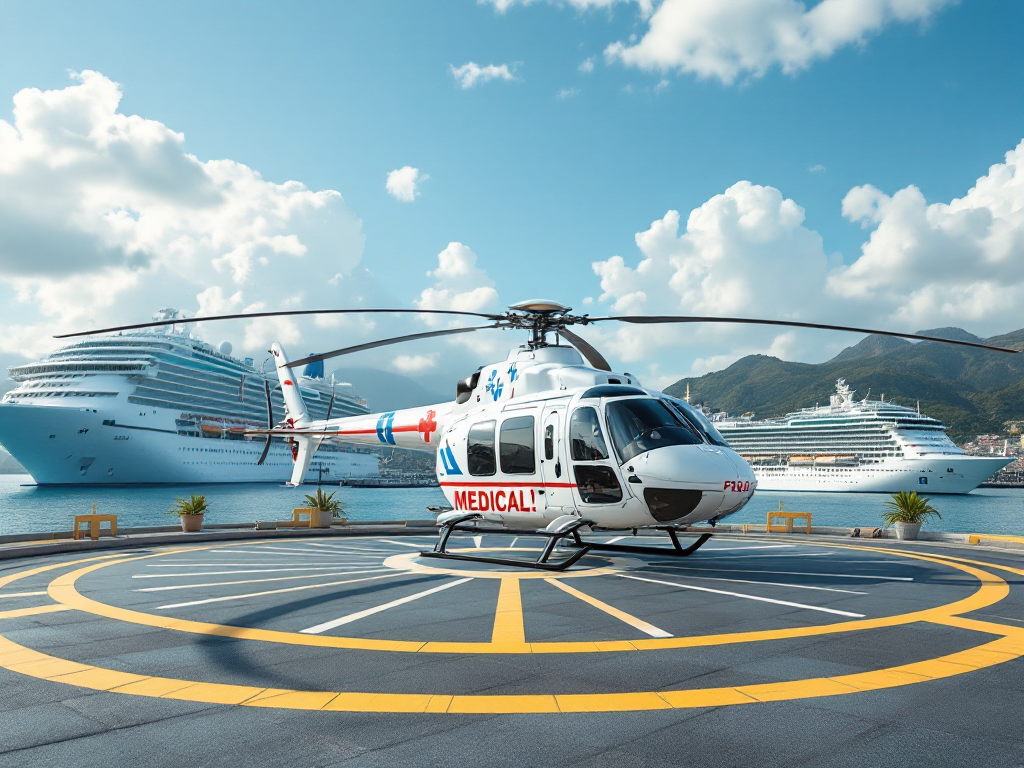
The critical detail: Most policies cover evacuation to the nearest facility, not necessarily the best facility or your preferred facility. The insurance company's medical team makes this determination, not your doctor.
How to protect yourself: Look for policies with "evacuation to home country" or "repatriation" coverage. These cost more but provide significantly better protection. Also, understand that "nearest adequate facility" might mean a hospital in the Dominican Republic, not Miami.
Mark's Norwegian Epic cruise was canceled due to hurricane damage in 2026. He had all his receipts, his booking confirmation, everything he thought he needed. His $4,200 claim was denied because he didn't have a written statement from Norwegian explaining the exact reason for cancellation.
The mistake: Assuming that obvious circumstances (like a hurricane) don't require official documentation from the cruise line.
The lesson: Insurance companies require specific documentation, even when the cause seems obvious. For cancellations, you need written confirmation from the cruise line stating the reason. For medical claims, you need detailed medical records, not just bills.
My documentation checklist:
Lisa's Royal Caribbean Oasis of the Seas cruise was interrupted when her father had a stroke on day four. She flew home immediately, cutting her cruise short by three days. Her trip interruption claim was denied because she didn't notify the insurance company within 24 hours of the incident.
The fine print: Most policies require notification within 24-48 hours of an incident, even when you're dealing with family emergencies. Missing this deadline can void your entire claim.
What to do: Program your insurance company's 24-hour claim number into your phone before you travel. Make that call from the ship or airport, even if you don't have all the details yet. You can always provide additional information later.
Here's what shocked me most: many people buy insurance based on their cruise cost, not their total potential exposure. When Jennifer needed medical evacuation from her $3,000 Celebrity Eclipse cruise, she had purchased $5,000 in coverage. Her evacuation cost $23,000.
She was covered—for the first $5,000.
The math you need to do: Consider your total trip cost (cruise, flights, hotels, excursions) plus realistic medical evacuation costs. For international cruises, I recommend minimum $100,000 medical coverage and $1 million evacuation coverage. It sounds like overkill until you need it.
After seeing these denials, I've become obsessive about reading actual policy documents, not just marketing summaries. Here's what separates policies that pay from policies that don't:
Look for:
Red flags:
If you have a cruise booked for 2026, pull out your insurance policy documents tonight. Look for these specific sections:
If you discover gaps in your coverage, you may still have time to purchase additional or replacement coverage, depending on your cruise date and the timing rules.
The most expensive insurance is the insurance that doesn't pay when you need it. These real-world claim denials taught me that reading the fine print isn't paranoia—it's financial protection.
Have you dealt with cruise insurance claims before? Share your experiences and questions in our Insurance and Travel Documents forum where experienced cruisers share real-world advice about protecting your cruise investment.
After 40+ cruises and countless conversations with fellow travelers who've filed claims, I've learned that the gap between what you think your policy covers and what it actually covers can cost you thousands. Let me walk you through the most common claim denials I've witnessed and exactly how to protect yourself.
The Pre-Existing Condition Trap: Sarah's $8,000 Lesson
Sarah booked her Celebrity Apex Mediterranean cruise in January 2026, then purchased travel insurance three weeks later. In March, her doctor adjusted her blood pressure medication. By sailing time in June, she felt great—until day three when she had a hypertensive crisis requiring helicopter evacuation from Santorini.
The insurance company denied her $8,000 claim because her medication change constituted a "pre-existing condition" that wasn't stable during the look-back period (typically 60-180 days before purchasing insurance).
The mistake: Sarah didn't understand that even minor medication adjustments can trigger pre-existing condition exclusions.
How to avoid it: Purchase insurance within 14-21 days of your initial cruise deposit (this varies by provider). This activates the pre-existing condition waiver for most policies. More importantly, read the exact definition of "stable" in your policy—it's usually stricter than you think.
Pro tip from my experience: I always photograph my policy's pre-existing condition section and share it with my doctor. They can help ensure any treatment timing doesn't accidentally void coverage.
The "Adventure Sports" Denial That Shocked Everyone
Tom thought he was being responsible when he purchased comprehensive coverage before his Royal Caribbean Symphony of the Seas cruise. During a Cozumel excursion, he injured his shoulder on a zip-line tour—a standard cruise port activity offered by thousands of passengers.
Claim denied. Reason? Zip-lining was classified as an "adventure sport" excluded from coverage.
The mistake: Tom assumed "cruise excursion" meant "automatically covered." Many policies have lengthy lists of excluded activities that include common shore excursion elements like zip-lining, horseback riding, or even snorkeling in some cases.
How to avoid it: Before booking any excursion, cross-reference the activities with your policy's excluded activities list. It's usually buried deep in the policy document, but it's there. If you're planning adventure activities, specifically purchase a policy that includes adventure sports coverage—expect to pay 20-30% more.
What I do: I keep a master list of activities I typically enjoy (snorkeling, hiking, kayaking) and check every new policy against this list before purchasing.
The Medical Evacuation Reality Check
This one hurts because it happened to a couple I met on Norwegian Bliss. Janet had a heart attack while we were docked in Juneau. The ship's medical team stabilized her, and she was transported to Juneau's hospital, then later flown to Seattle for specialized care.
Total medical evacuation cost: $47,000. Insurance payout: $0.
The reason: Their policy defined medical evacuation as transport to the "nearest adequate medical facility." Since Juneau had cardiac care facilities, the insurance company argued that Seattle wasn't necessary—even though Janet's cardiologist recommended the specialized facility.
The critical detail: Most policies cover evacuation to the nearest facility, not necessarily the best facility or your preferred facility. The insurance company's medical team makes this determination, not your doctor.
How to protect yourself: Look for policies with "evacuation to home country" or "repatriation" coverage. These cost more but provide significantly better protection. Also, understand that "nearest adequate facility" might mean a hospital in the Dominican Republic, not Miami.
The Documentation Disaster
Mark's Norwegian Epic cruise was canceled due to hurricane damage in 2026. He had all his receipts, his booking confirmation, everything he thought he needed. His $4,200 claim was denied because he didn't have a written statement from Norwegian explaining the exact reason for cancellation.
The mistake: Assuming that obvious circumstances (like a hurricane) don't require official documentation from the cruise line.
The lesson: Insurance companies require specific documentation, even when the cause seems obvious. For cancellations, you need written confirmation from the cruise line stating the reason. For medical claims, you need detailed medical records, not just bills.
My documentation checklist:
- Save every email from your cruise line
- Screenshot social media posts about cancellations
- Get written reports for any incidents from ship security
- Keep all original receipts (photos aren't always accepted)
- Request detailed medical reports, not just discharge summaries
The Timing Trap: When "Immediate" Isn't Soon Enough
Lisa's Royal Caribbean Oasis of the Seas cruise was interrupted when her father had a stroke on day four. She flew home immediately, cutting her cruise short by three days. Her trip interruption claim was denied because she didn't notify the insurance company within 24 hours of the incident.
The fine print: Most policies require notification within 24-48 hours of an incident, even when you're dealing with family emergencies. Missing this deadline can void your entire claim.
What to do: Program your insurance company's 24-hour claim number into your phone before you travel. Make that call from the ship or airport, even if you don't have all the details yet. You can always provide additional information later.
The Coverage Amount Reality
Here's what shocked me most: many people buy insurance based on their cruise cost, not their total potential exposure. When Jennifer needed medical evacuation from her $3,000 Celebrity Eclipse cruise, she had purchased $5,000 in coverage. Her evacuation cost $23,000.
She was covered—for the first $5,000.
The math you need to do: Consider your total trip cost (cruise, flights, hotels, excursions) plus realistic medical evacuation costs. For international cruises, I recommend minimum $100,000 medical coverage and $1 million evacuation coverage. It sounds like overkill until you need it.
The Policies That Actually Pay Out
After seeing these denials, I've become obsessive about reading actual policy documents, not just marketing summaries. Here's what separates policies that pay from policies that don't:
Look for:
- "Primary" medical coverage (pays first, before your health insurance)
- Specific cruise line bankruptcy coverage
- Clear adventure sports inclusions if relevant
- Generous trip delay coverage (missed connections are common)
- Cancel for Any Reason (CFAR) options—costs more but provides flexibility
Red flags:
- Policies that seem too cheap (there's always a reason)
- Vague language around "adequate medical facilities"
- Short claim notification windows
- Extensive exclusions lists
- No financial strength rating information
Your Action Plan: What to Do Right Now
If you have a cruise booked for 2026, pull out your insurance policy documents tonight. Look for these specific sections:
- Pre-existing condition waiver requirements and deadlines
- Excluded activities list
- Medical evacuation definitions
- Claim notification timeframes
- Required documentation lists
If you discover gaps in your coverage, you may still have time to purchase additional or replacement coverage, depending on your cruise date and the timing rules.
The most expensive insurance is the insurance that doesn't pay when you need it. These real-world claim denials taught me that reading the fine print isn't paranoia—it's financial protection.
Have you dealt with cruise insurance claims before? Share your experiences and questions in our Insurance and Travel Documents forum where experienced cruisers share real-world advice about protecting your cruise investment.