

Jake_Harmon
Moderator
Why Group Cruises Can Be Amazing (or Disastrous)
I've sailed with groups of 2 people and groups of 20. The difference between a magical week and a tension-filled nightmare? Planning, expectations, and honest conversations upfront.
After 40+ cruises, I've learned that cruise groups fail not because of bad itineraries—they fail because people assume everyone wants the same experience. One person wants to sleep until noon and catch a show at 9 PM. Another wants to be first at breakfast and hit the gym by 6 AM. One person books an $800 shore excursion. Another skips ports entirely. Without alignment, resentment builds fast at sea.
The good news? You can absolutely find compatible cruisemates and plan group cruises that actually work. Here's exactly how.
Step 1: Be Honest About Your Cruise Personality
Before you even invite anyone, you need to know yourself. Answer these questions honestly:
- Are you a planner or a go-with-the-flow person? Some people want every hour scheduled. Others want zero commitments.
- What's your budget comfort zone? Specialty dining? Main dining room only? Drink packages? Excursions? This is where group trips blow up.
- Are you introverted or extroverted on vacation? Do you want to spend every meal together, or do you prefer solo cabin time?
- What's your activity style? Beach lounger, adventure seeker, show-every-night person, port explorer, or wellness-focused?
- How do you feel about time commitments? Do you want mandatory group dinners, or is "meet at the pool when we feel like it" more your speed?
- What's your party tolerance? Late-night comedy shows and clubs, or quiet evenings and early bedtimes?
Write these down. Seriously. You'll reference them when vetting potential cruisemates.
Step 2: Recruit the Right People (Not Just Your Friends)
Here's a hard truth: your best friend might be a terrible cruise mate. I had a close friend once who was amazing on land but hated the ocean, resented the cost, and spent the entire cruise complaining. We're still friends—but we don't cruise together anymore.
When looking for cruisemates, prioritize cruise experience and temperament over existing closeness. Ask yourself:
- Has this person cruised before? Do they understand the pace of cruise life?
- Are they flexible when things don't go to plan? (Ship delays happen. Excursions get cancelled. Restaurants close unexpectedly.)
- Can they communicate directly about problems, or do they stew silently?
- Do they respect boundaries? Will they respect your cabin as your private space?
- Are they financially stable enough to afford their share without stress?
The best cruisemates I've sailed with? People I met in the CruiseVoices community. Shared passion for cruising already aligned us. We understood the lifestyle, the logistics, and the priorities. Yes, you can find compatible cruisemates online—people who genuinely get what a cruise vacation is supposed to feel like.
Step 3: Have "The Money Talk" Before You Book
This is THE conversation that kills group cruises if it doesn't happen. You must discuss:
- Cabin Costs: Who pays for what? If you're booking one person's cabin and splitting four ways, how are you handling it? Direct billing? Venmo after?
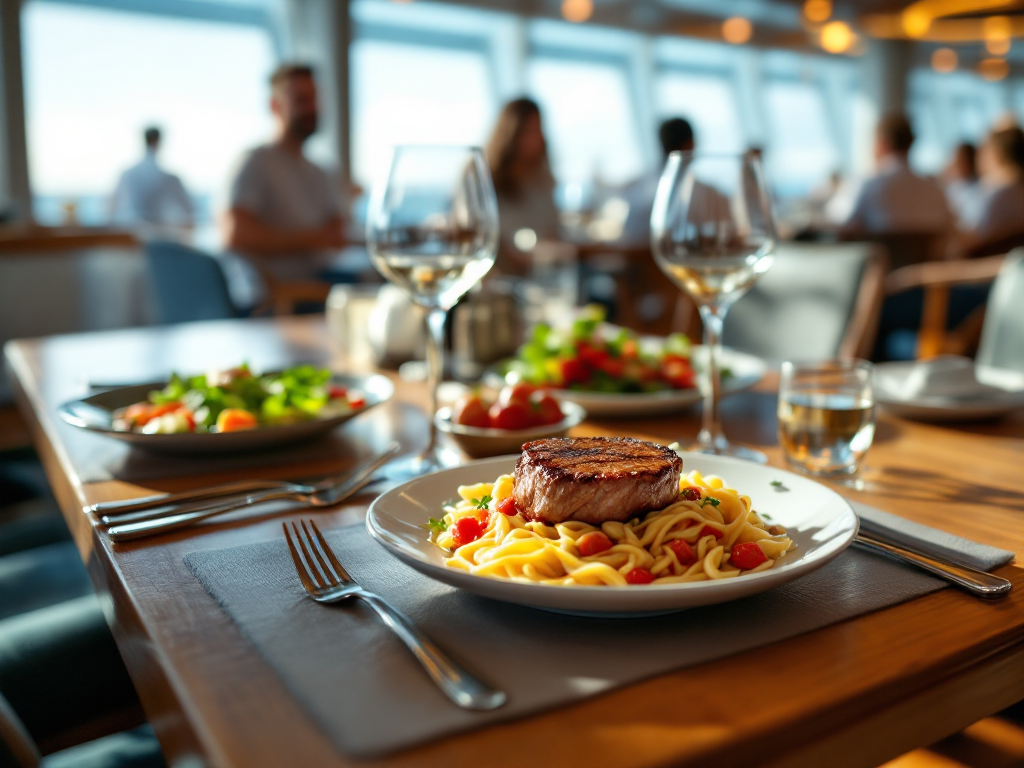
- Specialty Dining: Is everyone doing it, or just some? If just some, are you eating separately? It's awkward to watch others order premium restaurants while you're at the buffet.
- Drink Packages: Huge expense difference. If some people get packages and others don't, resentment happens. "Why are you drinking so much of my money?" Or: "Why am I paying extra and you're not?"
- Shore Excursions: Not everyone will want the same excursions. That's fine—but don't pressure people or judge their spending choices. $400 snorkel trip vs. $20 beach day both have value.
- Onboard Spending: Spa treatments, photos, merchandise. Casual? Or budget-conscious?
- Tips: Gratuities add up. Some people want to tip generously. Others budget tightly. Agree on a strategy.
- How Will You Split Shared Meals? If you book a table for 8 but only 6 show up, how do you handle the bill?
The groups that thrive? The ones where someone says: "My budget is $150/person for food and excursions beyond the base cruise fare. I'm booking specialty dining twice. I'm getting a drink package. If that doesn't work for you, we should find different cruisemates." No shame. No judgment. Just clarity.
Step 4: Nail Down Communication Expectations
This sounds simple but it's not. Establish right now:
- How will you communicate before the cruise? Group chat? Email? Scheduled video calls? (Some people hate constant texting. Others feel ghosted if you don't respond in 30 minutes.)
- How often will you meet onboard? Every meal? One group dinner per week? Flexible meet-ups?
- What happens if someone wants solo time? Is that allowed, or is "we're a unit" the expectation?
- What's the protocol if someone's unhappy? Can you talk directly, or will it fester?
- Time zones: If people are in different zones pre-cruise, establish a communication time window.
The group I sailed with in 2024 used a shared Google Sheet to plan meals and excursions. Everyone could see commitments, drop out if needed, and add activities. Zero guessing. Zero drama. That one tool made everything smooth.

Step 5: Create a Pre-Cruise Agreement (Yes, Really)
I know it sounds corporate and boring. But after 40+ cruises, I can tell you: groups with written expectations succeed. Groups without them implode.
Your agreement doesn't need to be legal (unless it's a huge group with major financial stakes). Just capture:
- Names and cabin assignments
- Who paid for what and the repayment plan
- Meal and activity commitments
- Communication norms (response time, group chat rules)
- What happens if someone cancels or wants to back out
- How conflicts will be resolved (honest conversation first, before venting to others)
- Flexibility clause: "Plans may change. We commit to being respectful and communicating changes early."
You can use a simple Google Doc or even email. The point isn't legal armor—it's proof that you all agreed to the same thing. When someone says, "I thought we were doing group dinners every night," you have clarity.
Step 6: Choose the Right Cruise for Your Group Dynamic
Some cruises are built for group travel. Others aren't:
- Big-ship Caribbean cruises (Royal Caribbean Oasis-class, Disney Wonder, Carnival Triumph) work great for larger groups. Tons of dining venues, activities, and space to both connect and decompress.
- River cruises feel more intimate. Everyone's on one small ship. More forced togetherness. Only works if your group genuinely enjoys constant interaction.
- European cruises mean port days are long. People explore independently. Less pressure for constant group time. Often works better than Caribbean.
- Expedition cruises (Antarctica, Galápagos) are smaller and more collaborative by nature. Good if your group shares a specific passion.
- Avoid: Party cruises if half your group wants quiet. Couples-focused itineraries if singles are joining. Wellness-focused sailings if people aren't genuinely interested.
The ship matters too. If you're booking Royal Caribbean's Icon of the Seas (24 decks, 5,500+ passengers), there's room to breathe. Small ships like Viking Venus (930 passengers) mean you'll literally bump into your group mates 10 times a day. Choose accordingly.
Step 7: Build in Alone Time (Permission Structure)
Here's what kills group cruises: people feel trapped.
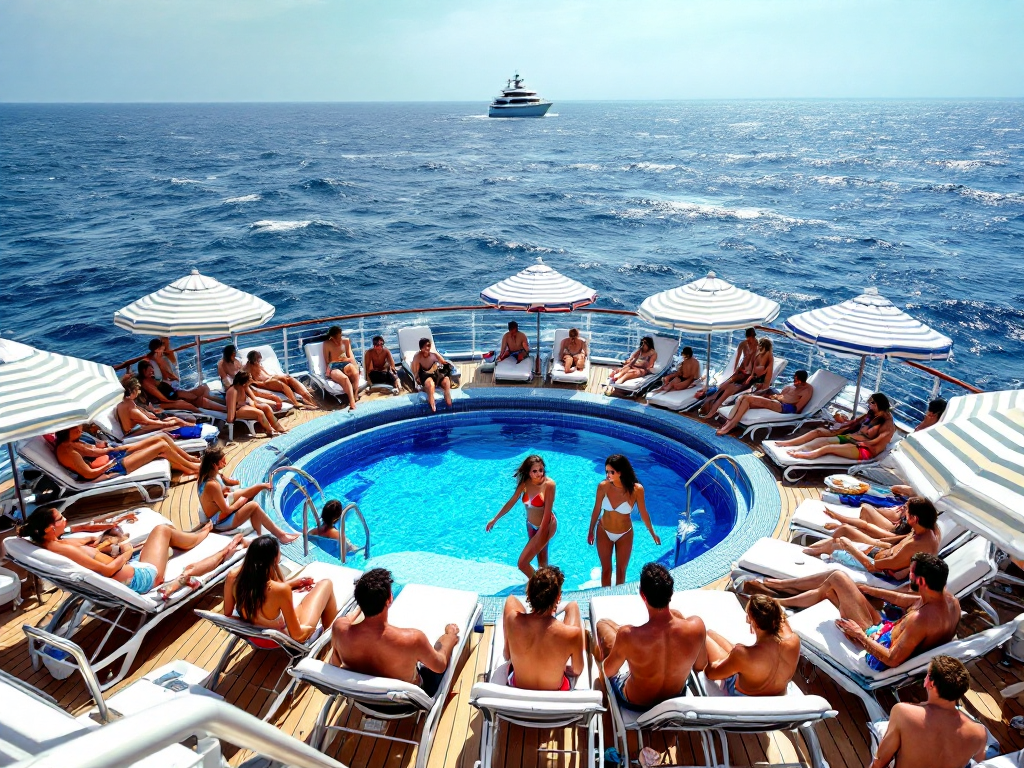
Embrace this: It's okay if your group splits up during the day. One person takes a spa treatment. Another does an excursion. Someone else hangs by the pool alone. That's not a failure—that's healthy.
Give explicit permission: "We'll have a group dinner Thursday night. Beyond that, do your own thing during the day. Meet at the pool if you feel like it. No judgment if you skip." This takes pressure off everyone.
The groups that bond strongest? The ones who choose to spend time together, not the ones who feel obligated. Schedule one or two anchor events (group dinner, group excursion, group show). Let everything else be organic.
Step 8: Plan Your First Group Meeting (Embarkation Day)
Your first onboard moment sets the tone. Have a plan:
- Meet in a specific, easy-to-find location (main atrium, pool deck, near the dining room—not a narrow corridor).
- Give it 2-3 hours of flexibility. People arrive at different times. "I'm at the pool at 4 PM. Come by if you're there."
- Don't force a big dinner your first night. People are tired, cabin assignments might surprise them, they want to explore. Keep it light.
- Do exchange cabin numbers and phone numbers (onboard texting if your cruise line offers it—most do now).
- Lock in one committed group meal early. "Thursday at 6 PM, Deck 5 main dining room. See you then." Not every night. Just one anchor.
Step 9: Know When to Say No to Someone
Honest moment: sometimes you'll want to cruise with someone, but it's a bad match. You don't owe anyone a spot on your cruise.
Red flags:
- They say "I'll figure out money stuff later." (They won't. You'll fight about it.)
- They've never cruised and are full of unrealistic expectations.
- They expect you to plan everything and make all decisions.
- They're going through a major life crisis. (Not the time for group vacation.)
- They have a history of conflict and you're hoping "a cruise will fix it." (It won't.)
- They're not willing to have the pre-cruise conversations.
It's okay to say: "I don't think this is the right trip for us. Let's plan something else together." You're not being mean. You're being protective of the group's experience—and actually, you're protecting that person too. They might resent the cruise if it's the wrong fit.
Step 10: Use Technology to Stay Organized
Group cruises are easier in 2026 than they've ever been. Use:
- Shared Google Sheets: Track meal reservations, excursions, costs, and who owes what.
- Group messaging apps: WhatsApp, Telegram, or group texts keep communication flowing without overwhelming email.
- Shared photo folders: Google Photos or OneDrive let everyone dump vacation photos in one place.
- Cruise line apps: Most cruise lines now let you reserve dining, view deck plans, and message other guests. Royal Caribbean's app is solid. Disney's is excellent. Use these as your hub.
- Avoid: Endless email threads. They're chaos. One person always gets left out.
What Happens When Drama Strikes (Because It Will)
Someone will get upset. Someone will feel left out. Someone will spend more money than they budgeted. Here's how to handle it:
1. Talk directly, immediately, and privately. Don't vent to other group members first. Address it with the person.
2. Assume good intent. "I don't think you meant to exclude me, but I felt left out when..." vs. "You always leave me out."
3. Be specific. "I felt hurt when you didn't invite me to the spa day" instead of "You don't like me."
4. Offer solutions. "Can we plan a group activity for tomorrow so I feel included?"
5. Know when to let it go. Not every slight is worth fighting over. You're on vacation. Sometimes people are tired, grumpy, or dealing with stuff. Grace goes a long way.
6. Have an exit plan. If someone's behavior is genuinely toxic (excessive drinking, being rude to staff, stealing money, picking fights), you can spend your remaining cruise days doing your own thing. You don't have to fix it.
Post-Cruise: The Friendship Test
Here's something nobody talks about: some of your best cruise friends won't be your friends after the cruise.
That's normal. You bonded in an unusual, confined environment. The real test is: can you hang out in the regular world?
The cruise mates who become genuine friends? You stay in touch, you text them about the next cruise, you remember details about their lives. But if you're only texting to plan another cruise and you haven't talked in 6 months otherwise? You had a great vacation together. That's all it was. And that's beautiful too.
Finding Your Cruise Community
Want to find compatible cruisemates? The CruiseVoices forums are filled with passionate cruisers actively planning trips. You'll find people who've already done the soul-searching about their cruise style, their budget, and their expectations. Shared passion for cruising is a solid foundation.
Ready to plan your group cruise? Use our CruiseVoices community to find your people, coordinate your plans, and share your experience with others who genuinely get it.
Group cruises can be absolutely incredible. The key is being intentional about who you invite, honest about expectations, and gracious when things don't go perfectly. Do those things, and you'll create memories that last way longer than the cruise itself.
Have you cruised in a group? Share your best tips—and your biggest drama stories—in the CruiseVoices forums.