

Working on a cruise ship isn't just about seeing the world while earning money—it's about diving into a completely different lifestyle where your office views change daily and your coworkers become your family. After talking to dozens of crew members during my 40+ cruises, I've learned that entry-level positions can be genuine stepping stones to rewarding careers at sea.
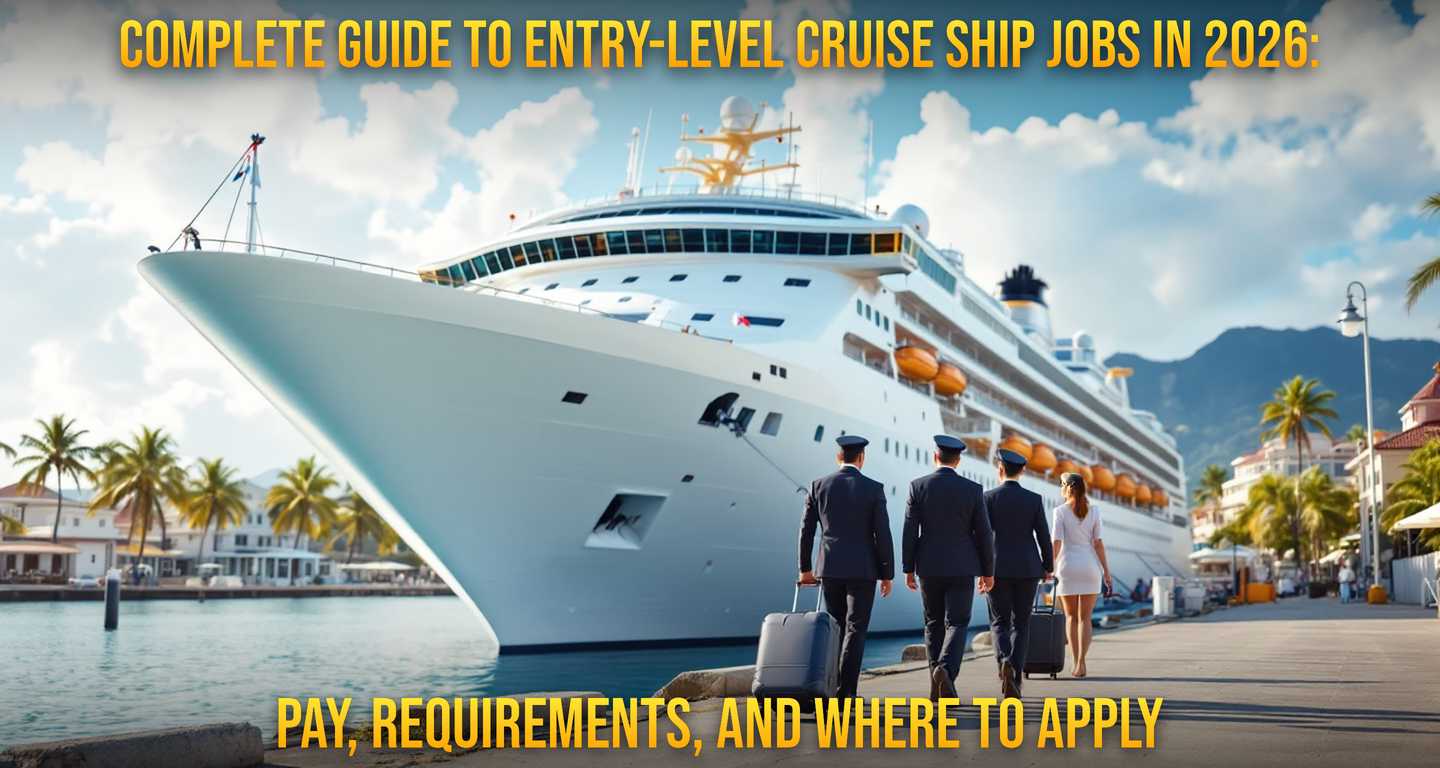
Let me be honest: cruise ship work isn't glamorous. You'll work long hours, share small living spaces, and miss home-cooked meals. But if you're looking for adventure, want to save serious money, and don't mind hard work, these jobs offer something most land-based positions can't—the chance to wake up in a different country while building your resume.
Here's what you need to know about starting your cruise ship career in 2026.
Cruise lines are hiring aggressively in 2026, and many positions require zero experience. I've gathered actual salary data from crew members across major cruise lines:
Food and Beverage Operations
Housekeeping Department
Deck and Technical

Remember, these salaries don't include your biggest benefit: free room, board, medical care, and meals. That means nearly every dollar you earn goes straight to savings. A cabin steward earning $2,000/month plus tips is essentially making the equivalent of a $4,500/month land job when you factor in living expenses.
Cruise ship employment operates on contracts, typically 6-8 months for entry-level positions. You'll work 7 days a week during your contract—usually 10-12 hour days—then receive 2-4 months off between contracts.
I've watched crew members handle this lifestyle differently. Some thrive on the intensity and save $15,000-20,000 per contract. Others burn out after their first stint. Your success depends largely on your expectations and personality.
What Your Day Actually Looks Like:
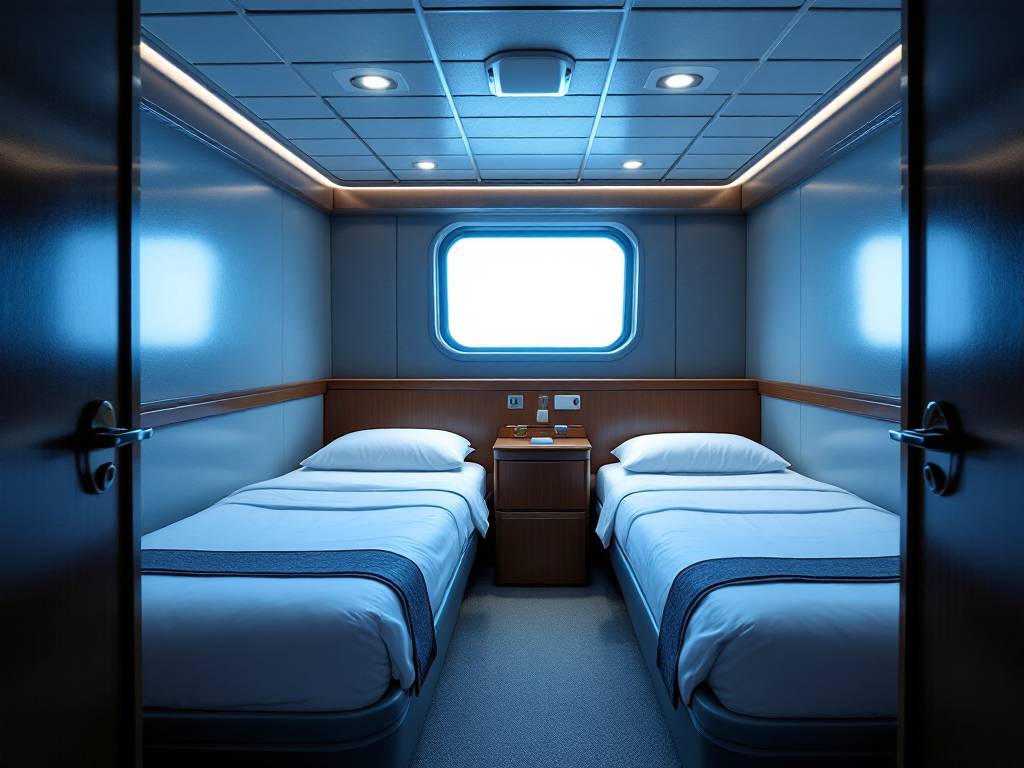
The crew mess (dining area) becomes your social hub, and crew bar nights on lower decks create surprisingly tight friendships. I've met cabin stewards who stayed in touch with roommates for years after their contracts ended.
Every major cruise line requires these basics:
Mandatory Requirements:
The STCW certification costs around $400-600 and takes 5 days to complete. You'll need this before applying, though some cruise lines reimburse the cost after completing your first contract. Don't let agencies convince you to pay thousands in "training fees"—that's always a scam.
Application Timeline:
Total time from application to stepping aboard: 3-4 months minimum.
Skip third-party recruiters who promise guaranteed jobs for upfront fees. Major cruise lines hire directly through their websites and established manning agencies.
Direct Hiring (Best Option):
Legitimate Manning Agencies:
When I researched this article, I found that Royal Caribbean typically has 200-300 entry-level openings posted at any time, while Carnival maintains 150-200 active listings. Norwegian tends to hire in waves, posting 50-100 positions monthly.
Red Flags to Avoid:
After watching hundreds of crew members start their careers, I've noticed patterns in successful applications:
Make Your Application Stand Out:
During interviews, emphasize your ability to work in multicultural teams. Cruise ships employ 50-70 different nationalities, and hiring managers want people who adapt well to diversity.
Best Times to Apply:

Let's talk numbers honestly. An assistant waiter earning $1,800/month plus $500 in tips saves approximately $2,000-2,200 monthly. Over an 8-month contract, that's $16,000-18,000 in savings—more than many people save in two years on land.
But you'll also spend money:
The crew members who save the most treat their contracts like financial boot camp—minimal spending, maximum focus on building their bank accounts.
Entry-level positions are stepping stones, not dead ends. I've met former dishwashers who became executive chefs and cabin stewards who advanced to hotel director roles.
Typical advancement timeline:
Cruise lines invest heavily in promoting from within. Royal Caribbean's "Navigator Program" specifically develops high-potential crew members, while Princess offers tuition reimbursement for maritime studies.
This lifestyle isn't for everyone, and that's okay. You'll thrive if you're:
You'll struggle if you need lots of personal space, have difficulty with authority, or expect work-life balance similar to shore jobs.
The crew members who succeed view their contracts as intensive earning periods—they work hard, save aggressively, and use their time off to travel, study, or pursue other interests.
Starting a cruise ship career requires commitment, but for the right person, it's an opportunity to see the world while building serious savings. The 2026 job market is strong, hiring processes are streamlined, and advancement opportunities are real.
Ready to take the plunge? Start with the STCW certification, polish your resume, and apply directly through cruise line websites. Your first contract might change your entire perspective on work and travel.
Share your cruise ship job questions and connect with current and former crew members in our General Cruise Discussion forum!
Let me be honest: cruise ship work isn't glamorous. You'll work long hours, share small living spaces, and miss home-cooked meals. But if you're looking for adventure, want to save serious money, and don't mind hard work, these jobs offer something most land-based positions can't—the chance to wake up in a different country while building your resume.
Here's what you need to know about starting your cruise ship career in 2026.
Top Entry-Level Positions and Real Salary Ranges
Cruise lines are hiring aggressively in 2026, and many positions require zero experience. I've gathered actual salary data from crew members across major cruise lines:
Food and Beverage Operations
- Galley Utility/Dishwasher: $1,000-$1,800/month
- Kitchen Prep Cook: $1,400-$2,200/month
- Assistant Waiter: $1,200-$2,000/month plus tips ($300-800 additional)
- Bar Back/Assistant Bartender: $1,300-$2,100/month plus tips ($400-900 additional)
Housekeeping Department
- Cabin Steward: $1,400-$2,800/month plus tips ($200-600 additional)
- Public Area Cleaner: $1,100-$1,900/month
- Laundry Attendant: $1,200-$1,800/month
Deck and Technical
- Ordinary Seaman: $1,600-$2,400/month
- Maintenance Utility: $1,500-$2,300/month
- Pool/Deck Attendant: $1,300-$2,000/month plus occasional tips
Remember, these salaries don't include your biggest benefit: free room, board, medical care, and meals. That means nearly every dollar you earn goes straight to savings. A cabin steward earning $2,000/month plus tips is essentially making the equivalent of a $4,500/month land job when you factor in living expenses.
The Reality of Contract Life
Cruise ship employment operates on contracts, typically 6-8 months for entry-level positions. You'll work 7 days a week during your contract—usually 10-12 hour days—then receive 2-4 months off between contracts.
I've watched crew members handle this lifestyle differently. Some thrive on the intensity and save $15,000-20,000 per contract. Others burn out after their first stint. Your success depends largely on your expectations and personality.
What Your Day Actually Looks Like:
- Wake up at 5:30 AM for breakfast service prep
- Work split shifts with 2-3 hour afternoon breaks
- Finish around 10 PM on sea days, later on port days
- Crew parties and social time happen after midnight
- One day off every 1-2 weeks during busy periods
The crew mess (dining area) becomes your social hub, and crew bar nights on lower decks create surprisingly tight friendships. I've met cabin stewards who stayed in touch with roommates for years after their contracts ended.
Essential Requirements and Application Process
Every major cruise line requires these basics:
Mandatory Requirements:
- Age 18+ (some positions require 21+)
- Valid passport with 18+ months remaining
- Basic Safety Training (STCW) certification
- Medical certificate from approved clinic
- Clean criminal background check
- Conversational English proficiency
The STCW certification costs around $400-600 and takes 5 days to complete. You'll need this before applying, though some cruise lines reimburse the cost after completing your first contract. Don't let agencies convince you to pay thousands in "training fees"—that's always a scam.
Application Timeline:
- Submit application: 2-4 weeks for response
- Phone/video interview: 1-2 weeks to schedule
- Medical and document verification: 3-4 weeks
- Placement and embarkation: 4-8 weeks
Total time from application to stepping aboard: 3-4 months minimum.
Where to Apply (And Where NOT To)
Skip third-party recruiters who promise guaranteed jobs for upfront fees. Major cruise lines hire directly through their websites and established manning agencies.
Direct Hiring (Best Option):
- Royal Caribbean Group careers portal
- Carnival Corporation job boards
- Norwegian Cruise Line direct applications
- Princess Cruises career site
- MSC Cruises recruitment page
Legitimate Manning Agencies:
- All Cruise Jobs (largest job board)
- C.B. Fleet Management
- V.Ships Leisure
- Shipboard Personnel Services
When I researched this article, I found that Royal Caribbean typically has 200-300 entry-level openings posted at any time, while Carnival maintains 150-200 active listings. Norwegian tends to hire in waves, posting 50-100 positions monthly.
Red Flags to Avoid:
- Requests for upfront payment beyond standard certifications
- Guaranteed job offers without interviews
- Agencies demanding exclusive representation contracts
- Job postings requiring western union transfers
- Positions promising $5,000+ monthly for entry-level work
Insider Tips for Getting Hired
After watching hundreds of crew members start their careers, I've noticed patterns in successful applications:
Make Your Application Stand Out:
- Highlight any customer service experience, even retail or fast food
- Mention language skills—bilingual candidates get priority
- Show flexibility with position types and deployment dates
- Include a professional headshot, not a vacation photo
- Write a genuine cover letter explaining your motivation
During interviews, emphasize your ability to work in multicultural teams. Cruise ships employ 50-70 different nationalities, and hiring managers want people who adapt well to diversity.
Best Times to Apply:
- January-March: Peak hiring for summer deployment
- July-September: Recruitment for winter Caribbean season
- Avoid December and major holidays when HR departments slow down
Financial Reality Check
Let's talk numbers honestly. An assistant waiter earning $1,800/month plus $500 in tips saves approximately $2,000-2,200 monthly. Over an 8-month contract, that's $16,000-18,000 in savings—more than many people save in two years on land.
But you'll also spend money:
- Crew bar tabs: $100-300/month
- Shore excursions: $200-500/contract
- Onboard purchases: $150-400/month
- Internet packages: $40-80/month
- Flights home: $300-1,500 depending on location
The crew members who save the most treat their contracts like financial boot camp—minimal spending, maximum focus on building their bank accounts.
Career Progression Opportunities
Entry-level positions are stepping stones, not dead ends. I've met former dishwashers who became executive chefs and cabin stewards who advanced to hotel director roles.
Typical advancement timeline:
- Months 1-8: Learn systems, prove reliability
- Contracts 2-3: Promotion to senior or assistant supervisor roles
- Year 2-3: Department supervisor positions
- Years 3-5: Assistant manager or specialized roles
- Years 5+: Department manager or shore-side positions
Cruise lines invest heavily in promoting from within. Royal Caribbean's "Navigator Program" specifically develops high-potential crew members, while Princess offers tuition reimbursement for maritime studies.
Is Cruise Ship Work Right for You?
This lifestyle isn't for everyone, and that's okay. You'll thrive if you're:
- Comfortable living in small spaces with roommates
- Energized by multicultural environments
- Motivated by clear financial goals
- Resilient during stressful situations
- Independent enough to handle months away from home
You'll struggle if you need lots of personal space, have difficulty with authority, or expect work-life balance similar to shore jobs.
The crew members who succeed view their contracts as intensive earning periods—they work hard, save aggressively, and use their time off to travel, study, or pursue other interests.
Starting a cruise ship career requires commitment, but for the right person, it's an opportunity to see the world while building serious savings. The 2026 job market is strong, hiring processes are streamlined, and advancement opportunities are real.
Ready to take the plunge? Start with the STCW certification, polish your resume, and apply directly through cruise line websites. Your first contract might change your entire perspective on work and travel.
Share your cruise ship job questions and connect with current and former crew members in our General Cruise Discussion forum!