

Let me be blunt: after 40+ cruises and seeing way too many vacation disasters unfold, cruise travel insurance isn't optional anymore—it's cruise survival 101. With 2026 cruise costs averaging nearly $8,000 and medical evacuations reaching six figures, that $500 insurance premium might be the smartest money you'll ever spend.
The cruise industry is booming in 2026, with a record 21.7 million Americans expected to sail this year. But here's what the cruise lines won't tell you: with popularity comes problems. Flight delays hit 25% of passengers in early 2026, weather disruptions are more frequent, and cruise ships simply won't wait for you.
I learned this the hard way on a Celebrity Edge sailing when a couple from Denver missed embarkation due to flight delays. Their $6,000 cruise became a $9,500 nightmare as they had to fly to St. Thomas to catch the ship. Travel insurance would've covered every penny.
The reality check: Your regular health insurance (yes, even Medicare) doesn't cover medical care at sea or in foreign ports. Miss your ship, and you're paying out-of-pocket to catch up. Get sick onboard, and you could face $20,000+ in medical bills.
Let's talk real numbers based on current 2026 pricing:

Here's the age factor that'll shock you: if you're over 50, expect significantly higher premiums. Travelers over 70 pay 171% more than those under 50. A $400 policy for a 40-year-old becomes nearly $1,100 for a 75-year-old.
Pro tip from my experience: Buy insurance within 14-21 days of your initial cruise deposit to lock in pre-existing medical condition coverage and "Cancel for Any Reason" options.
Share your insurance experiences in our CruiseVoices community to help fellow cruisers make informed decisions!
Essential Medical Coverage Minimums:

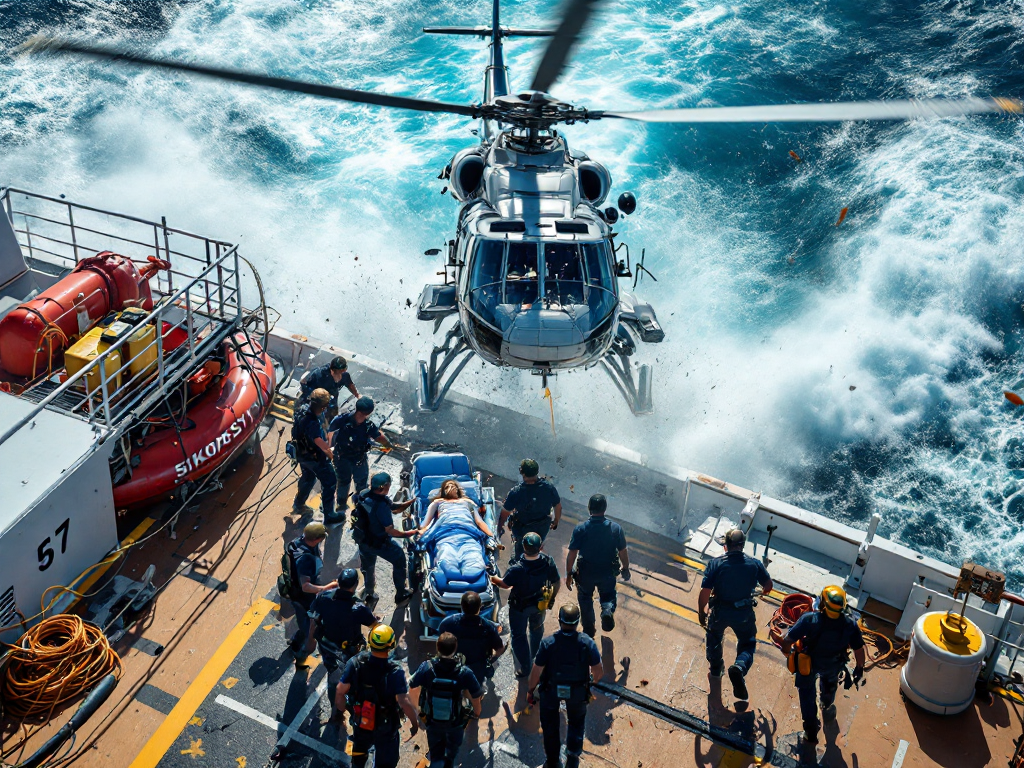
Real-world scenario: On my Anthem of the Seas cruise last year, a passenger had a heart attack two days out. The ship diverted to Bermuda, a helicopter evacuation was arranged, and the total cost exceeded $85,000. Without insurance, that family would've faced bankruptcy.
Most common claims I've witnessed:
Never, ever buy cruise line insurance. Here's why it's a terrible deal:
Cruise Line Insurance Problems:
Third-Party Insurance Advantages:

I made this mistake once on a Princess cruise—their insurance offered $25,000 medical coverage when quality third-party policies provide $500,000. Learn from my rookie error.
Connect with experienced cruisers about insurance choices in our forums before making your decision!
Travel Insured International - Best Overall Value
Their Worldwide Trip Protector plan consistently rates highest among frequent cruisers. Excellent medical coverage, reasonable pricing, and they actually pay claims quickly.
Seven Corners - Best Comprehensive Coverage
RoundTrip Choice plan offers the most thorough protection I've seen, including coverage for cruise line bankruptcy and mechanical breakdowns.
IMG iTravelInsured Choice - Most Popular
Widely recommended in cruising communities. Good balance of coverage and cost, with excellent customer service.
Tin Leg Gold - Highest Medical Limits
Offers up to $500,000 in medical coverage—crucial for international cruises where evacuation costs skyrocket.
Shopping tip: Use comparison sites like Squaremouth to compare multiple providers side-by-side. Never buy the first quote you see.
Insurance Success Stories:
On my Norwegian Breakaway cruise, a family's daughter broke her leg during the kids' rock climbing activity. Insurance covered $8,500 in onboard medical care plus early flight home—total claim: $12,000.
Another couple I met had their Alaska cruise cancelled due to ship mechanical issues. Third-party insurance covered their non-refundable flights and Anchorage hotel stays that the cruise line wouldn't reimburse.
When Insurance Won't Help:
Read the fine print on these exclusions—they'll save you from nasty surprises.
After four decades of cruising and witnessing countless vacation disasters, here's my honest take: comprehensive cruise insurance isn't just worth it—it's essential.
With average cruise vacations costing $8,000 and potential medical evacuations reaching six figures, that $500-800 insurance premium is the cheapest peace of mind you'll ever buy.
The math is simple: Can you afford to lose $8,000 if you can't cruise? Can you handle a $100,000 medical evacuation bill? If the answer to either is no, buy the insurance.
My personal rule: I buy comprehensive third-party insurance for every cruise over $3,000 or any international sailing. For quick 3-day Bahamas runs, I sometimes skip it. But for those Alaska, Europe, or Caribbean cruises? Never sail without it.
The cruise industry has changed, and so should your approach to protecting your investment. Don't let a vacation dream become a financial nightmare.
Join our CruiseVoices community to share your insurance experiences and get personalized advice from fellow cruise enthusiasts who've been there!
Why 2026 Makes Cruise Insurance More Critical Than Ever
The cruise industry is booming in 2026, with a record 21.7 million Americans expected to sail this year. But here's what the cruise lines won't tell you: with popularity comes problems. Flight delays hit 25% of passengers in early 2026, weather disruptions are more frequent, and cruise ships simply won't wait for you.
I learned this the hard way on a Celebrity Edge sailing when a couple from Denver missed embarkation due to flight delays. Their $6,000 cruise became a $9,500 nightmare as they had to fly to St. Thomas to catch the ship. Travel insurance would've covered every penny.
The reality check: Your regular health insurance (yes, even Medicare) doesn't cover medical care at sea or in foreign ports. Miss your ship, and you're paying out-of-pocket to catch up. Get sick onboard, and you could face $20,000+ in medical bills.
What Cruise Insurance Actually Costs in 2026
Let's talk real numbers based on current 2026 pricing:
- Comprehensive cruise insurance: $538-$541 average (covers trip cancellation, medical, evacuation)
- Medical-only plans: Around $100 (80% savings but no trip protection)
- "Cancel for Any Reason" premium plans: $807 (maximum flexibility)
- General rule: Expect 5-10% of your total trip cost
Here's the age factor that'll shock you: if you're over 50, expect significantly higher premiums. Travelers over 70 pay 171% more than those under 50. A $400 policy for a 40-year-old becomes nearly $1,100 for a 75-year-old.
Pro tip from my experience: Buy insurance within 14-21 days of your initial cruise deposit to lock in pre-existing medical condition coverage and "Cancel for Any Reason" options.
Share your insurance experiences in our CruiseVoices community to help fellow cruisers make informed decisions!
The Coverage That Actually Matters for Cruisers
Essential Medical Coverage Minimums:
- Emergency medical: $100,000 minimum (I recommend $250,000+)
- Medical evacuation: $250,000+ (helicopter evacuations from ships cost $50,000-$100,000)
- Trip cancellation: 100% of non-refundable trip costs
- Trip interruption: 150% of trip cost (covers getting home plus unused portions)
- Baggage coverage: $2,500+ (cruise formal wear isn't cheap to replace)
Real-world scenario: On my Anthem of the Seas cruise last year, a passenger had a heart attack two days out. The ship diverted to Bermuda, a helicopter evacuation was arranged, and the total cost exceeded $85,000. Without insurance, that family would've faced bankruptcy.
Most common claims I've witnessed:
- Flight delays causing missed embarkation (happened on 4 of my last 10 cruises)
- Pre-cruise hotel costs when flights get cancelled
- Onboard medical treatment (Norovirus, injuries, existing condition flare-ups)
- Weather-related itinerary changes requiring extended stays
- Family emergencies requiring early disembarkation
Cruise Line Insurance vs Third-Party: The $3,000 Mistake
Never, ever buy cruise line insurance. Here's why it's a terrible deal:
Cruise Line Insurance Problems:
- Gives you future cruise credits instead of cash refunds
- Lower medical coverage limits ($10,000 vs $250,000+)
- Doesn't cover flights, hotels, or pre-cruise expenses
- Restrictive cancellation reasons
- No coverage for cruise line bankruptcy or mechanical issues
Third-Party Insurance Advantages:
- Cash reimbursements (not cruise credits)
- Covers your entire vacation from door to door
- Higher medical and evacuation limits
- More covered cancellation reasons
- Primary coverage (pays first, not after your other insurance)
I made this mistake once on a Princess cruise—their insurance offered $25,000 medical coverage when quality third-party policies provide $500,000. Learn from my rookie error.
Connect with experienced cruisers about insurance choices in our forums before making your decision!
Top 2026 Cruise Insurance Providers (Tested by Real Cruisers)
Travel Insured International - Best Overall Value
Their Worldwide Trip Protector plan consistently rates highest among frequent cruisers. Excellent medical coverage, reasonable pricing, and they actually pay claims quickly.
Seven Corners - Best Comprehensive Coverage
RoundTrip Choice plan offers the most thorough protection I've seen, including coverage for cruise line bankruptcy and mechanical breakdowns.
IMG iTravelInsured Choice - Most Popular
Widely recommended in cruising communities. Good balance of coverage and cost, with excellent customer service.
Tin Leg Gold - Highest Medical Limits
Offers up to $500,000 in medical coverage—crucial for international cruises where evacuation costs skyrocket.
Shopping tip: Use comparison sites like Squaremouth to compare multiple providers side-by-side. Never buy the first quote you see.
When Insurance Pays Off (And When It Doesn't)
Insurance Success Stories:
On my Norwegian Breakaway cruise, a family's daughter broke her leg during the kids' rock climbing activity. Insurance covered $8,500 in onboard medical care plus early flight home—total claim: $12,000.
Another couple I met had their Alaska cruise cancelled due to ship mechanical issues. Third-party insurance covered their non-refundable flights and Anchorage hotel stays that the cruise line wouldn't reimburse.
When Insurance Won't Help:
- Pre-existing medical conditions (unless coverage purchased within 14-21 days)
- Mental health or anxiety-related cancellations (unless specifically covered)
- Pregnancy-related issues after 26 weeks
- Extreme sports injuries during port excursions
- Alcohol-related incidents
Read the fine print on these exclusions—they'll save you from nasty surprises.
My Bottom Line: Is Cruise Insurance Worth It in 2026?
After four decades of cruising and witnessing countless vacation disasters, here's my honest take: comprehensive cruise insurance isn't just worth it—it's essential.
With average cruise vacations costing $8,000 and potential medical evacuations reaching six figures, that $500-800 insurance premium is the cheapest peace of mind you'll ever buy.
The math is simple: Can you afford to lose $8,000 if you can't cruise? Can you handle a $100,000 medical evacuation bill? If the answer to either is no, buy the insurance.
My personal rule: I buy comprehensive third-party insurance for every cruise over $3,000 or any international sailing. For quick 3-day Bahamas runs, I sometimes skip it. But for those Alaska, Europe, or Caribbean cruises? Never sail without it.
The cruise industry has changed, and so should your approach to protecting your investment. Don't let a vacation dream become a financial nightmare.
Join our CruiseVoices community to share your insurance experiences and get personalized advice from fellow cruise enthusiasts who've been there!
Last edited: