

Planning a babymoon cruise? I've helped dozens of expecting parents navigate the maze of cruise line pregnancy policies over my 40+ cruises, and let me tell you—the rules are stricter than you might expect. Here's everything you need to know to cruise safely while expecting, including the documentation you'll need and which cruise lines offer the most flexibility.
Here's the reality: every major cruise line prohibits passengers from sailing if they'll be 24 weeks pregnant or more at any point during their cruise. I've seen families have to cancel dream vacations because they miscalculated their due dates, so let me break down exactly how each line enforces this:
Royal Caribbean: Won't accept guests 23+ weeks pregnant (they're actually the strictest)
Norwegian Cruise Line: 24+ weeks during cruise or any land arrangements
Carnival: Must be 24 weeks or less at disembarkation
Disney Cruise Line: Cannot enter 24th week during embarkation or cruise
MSC Cruises: 24+ weeks by cruise end
Celebrity & Virgin Voyages: Strict 24-week limit
Princess & Holland America: Same 24-week policy across both lines
The reason is simple: cruise ships don't have obstetricians onboard, and the medical centers aren't equipped for pregnancy complications or preterm labor. After 24 weeks, the risk of complications requiring specialized care increases significantly.
Don't show up at the terminal empty-handed. Most cruise lines require specific medical documentation, and I've watched pregnant passengers get turned away for missing paperwork.
What You'll Need:
Pro Tip: Get your doctor's letter dated within 72 hours of embarkation. I learned this the hard way when a friend's week-old letter was rejected on Norwegian Breakaway.
Some cruise lines are pickier than others. Disney requires the most detailed documentation, while Carnival tends to be more lenient with first-trimester pregnancies. Always call the cruise line directly to confirm current requirements—policies change.
Discuss your specific cruise plans with your doctor in our CruiseVoices community where other expecting parents share their experiences.
Cruising during your first trimester can be wonderful or miserable—sometimes both on the same day. Here's what I've observed from countless expecting cruisers:
The Challenges:
The Benefits:
My Honest Advice: If you're dealing with severe morning sickness on land, a cruise might not be the best choice. The motion can intensify nausea, and you're stuck onboard. However, if you're feeling good, cruises during weeks 14-20 tend to be the sweet spot—past morning sickness but not yet uncomfortable.
Here's where cruise lines can be surprisingly accommodating—if you handle it right. I've helped several families navigate last-minute pregnancy discoveries after booking.
If You Discover Pregnancy After Booking:
If You Knew About Pregnancy When Booking:
Insider Tip: Book refundable rates if there's any chance you might exceed 24 weeks. Yes, they cost more upfront, but I've seen families lose thousands on non-refundable bookings.
After sailing with numerous pregnant passengers, here's what daily cruise life actually looks like when you're expecting:
Dining Considerations:
Activity Modifications:
Cabin Comfort:
Book a cabin on Deck 7-9 if possible—midship and lower decks feel less motion. I always recommend balconies for fresh air access, which helps with nausea. Avoid cabins near elevators and high-traffic areas for better sleep.
This isn't optional when cruising pregnant. Standard cruise line medical coverage won't handle pregnancy complications, and medical evacuations can cost $100,000+.
What to Look For:
Real Cost Example: A pregnant passenger on Symphony of the Seas needed helicopter evacuation from Cozumel for premature labor signs in 2026. Total cost: $87,000. Her travel insurance covered everything.
Not all cruise itineraries are pregnancy-friendly. After sailing to 40+ ports, here's my honest assessment:
Best Pregnancy Ports:
Ports to Avoid While Pregnant:
Cruising while pregnant can create beautiful memories, but it requires careful planning and realistic expectations. I've seen magical babymoons and stressful disasters—the difference usually comes down to preparation and choosing the right timing.
My recommendation? If you're between weeks 14-20, feeling good, and have your doctor's blessing, go for it. Choose a shorter cruise (7 days max) with US or modern international ports. Book a comfortable cabin, get comprehensive travel insurance, and prepare for a different kind of vacation than you might normally take.
Remember, this might be your last adults-only vacation for a while—embrace the relaxation, skip the adventure excursions, and enjoy the pampering.
Share your pregnancy cruise experiences and get advice from other expecting parents in our CruiseVoices community—we're here to help you navigate every aspect of cruising while expecting!
The Universal 24-Week Cutoff: Why Every Cruise Line Has This Rule
Here's the reality: every major cruise line prohibits passengers from sailing if they'll be 24 weeks pregnant or more at any point during their cruise. I've seen families have to cancel dream vacations because they miscalculated their due dates, so let me break down exactly how each line enforces this:
Royal Caribbean: Won't accept guests 23+ weeks pregnant (they're actually the strictest)
Norwegian Cruise Line: 24+ weeks during cruise or any land arrangements
Carnival: Must be 24 weeks or less at disembarkation
Disney Cruise Line: Cannot enter 24th week during embarkation or cruise
MSC Cruises: 24+ weeks by cruise end
Celebrity & Virgin Voyages: Strict 24-week limit
Princess & Holland America: Same 24-week policy across both lines
The reason is simple: cruise ships don't have obstetricians onboard, and the medical centers aren't equipped for pregnancy complications or preterm labor. After 24 weeks, the risk of complications requiring specialized care increases significantly.
Required Documentation: The Paperwork You Can't Cruise Without
Don't show up at the terminal empty-handed. Most cruise lines require specific medical documentation, and I've watched pregnant passengers get turned away for missing paperwork.
What You'll Need:
- Physician's "Fit to Travel" letter stating your exact due date
- Medical certificate confirming you're not high-risk
- Health questionnaire (completed at check-in)
- Travel insurance documentation (highly recommended)
Pro Tip: Get your doctor's letter dated within 72 hours of embarkation. I learned this the hard way when a friend's week-old letter was rejected on Norwegian Breakaway.
Some cruise lines are pickier than others. Disney requires the most detailed documentation, while Carnival tends to be more lenient with first-trimester pregnancies. Always call the cruise line directly to confirm current requirements—policies change.
Discuss your specific cruise plans with your doctor in our CruiseVoices community where other expecting parents share their experiences.
First Trimester Cruising: The Good, Bad, and Seasick Reality
Cruising during your first trimester can be wonderful or miserable—sometimes both on the same day. Here's what I've observed from countless expecting cruisers:
The Challenges:
- Morning sickness + sea motion = potential disaster
- Food aversions make buffets overwhelming
- Fatigue hits harder at sea
- Limited pregnancy-safe medications in ship pharmacies
The Benefits:
- Sea days allow for maximum rest
- Room service available 24/7 on most lines
- No cleaning, cooking, or household responsibilities
- Easy access to bland foods (crackers, toast, ginger ale)
My Honest Advice: If you're dealing with severe morning sickness on land, a cruise might not be the best choice. The motion can intensify nausea, and you're stuck onboard. However, if you're feeling good, cruises during weeks 14-20 tend to be the sweet spot—past morning sickness but not yet uncomfortable.
Booking Strategy: Protecting Yourself from Policy Changes
Here's where cruise lines can be surprisingly accommodating—if you handle it right. I've helped several families navigate last-minute pregnancy discoveries after booking.
If You Discover Pregnancy After Booking:
- Call the cruise line immediately (don't wait)
- Explain the pregnancy wasn't known at booking time
- Most lines offer full refunds or future cruise credits
- Document everything in writing
If You Knew About Pregnancy When Booking:
- You're typically responsible for cancellation fees
- Travel insurance may not cover "known conditions"
- Some flexibility exists for medical emergencies
Insider Tip: Book refundable rates if there's any chance you might exceed 24 weeks. Yes, they cost more upfront, but I've seen families lose thousands on non-refundable bookings.
Onboard Reality: What Pregnancy Life is Like at Sea
After sailing with numerous pregnant passengers, here's what daily cruise life actually looks like when you're expecting:
Dining Considerations:
- Main dining room offers consistent, cooked-to-order meals
- Avoid sushi bars and raw seafood stations
- Room service becomes your best friend for odd-hour cravings
- Specialty restaurants often accommodate dietary restrictions better
Activity Modifications:
- Skip rock climbing, zip-lining, and FlowRider surf simulators
- Pool decks can be crowded—consider adult-only areas
- Shore excursions need careful vetting (avoid adventure tours)
- Spa treatments require pregnancy-safe options
Cabin Comfort:
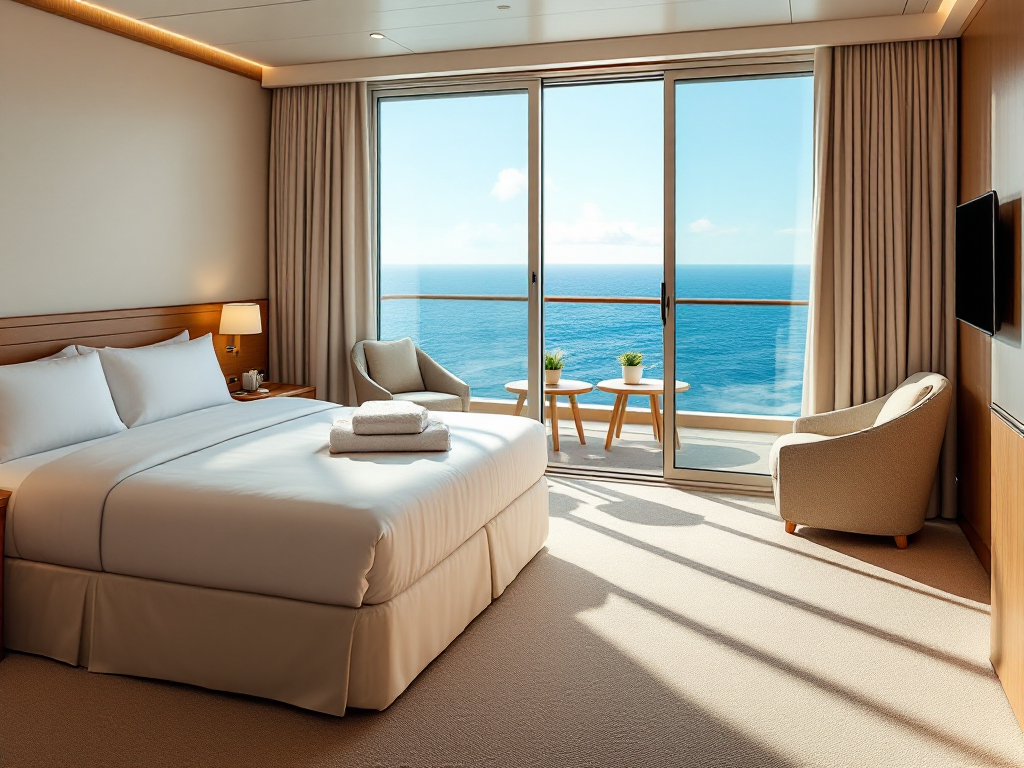
Book a cabin on Deck 7-9 if possible—midship and lower decks feel less motion. I always recommend balconies for fresh air access, which helps with nausea. Avoid cabins near elevators and high-traffic areas for better sleep.
Travel Insurance: The Non-Negotiable Protection You Need
This isn't optional when cruising pregnant. Standard cruise line medical coverage won't handle pregnancy complications, and medical evacuations can cost $100,000+.
What to Look For:
- Pregnancy complication coverage
- Medical evacuation benefits
- Trip interruption for medical reasons
- "Pre-existing condition" waivers if purchased early
Real Cost Example: A pregnant passenger on Symphony of the Seas needed helicopter evacuation from Cozumel for premature labor signs in 2026. Total cost: $87,000. Her travel insurance covered everything.
Port Considerations: Choosing Pregnancy-Safe Destinations
Not all cruise itineraries are pregnancy-friendly. After sailing to 40+ ports, here's my honest assessment:
Best Pregnancy Ports:
- Caribbean islands with modern medical facilities (Barbados, Aruba)
- US territories (St. Thomas, St. John)
- Major European ports (Barcelona, Rome, Southampton)
- Alaska ports with US medical standards
Ports to Avoid While Pregnant:
- Remote Caribbean islands with limited medical care
- Tender ports requiring small boat transfers
- Destinations requiring extensive walking or hiking
- Areas with Zika or other pregnancy-risk diseases
Final Thoughts: Making the Right Decision for Your Family
Cruising while pregnant can create beautiful memories, but it requires careful planning and realistic expectations. I've seen magical babymoons and stressful disasters—the difference usually comes down to preparation and choosing the right timing.
My recommendation? If you're between weeks 14-20, feeling good, and have your doctor's blessing, go for it. Choose a shorter cruise (7 days max) with US or modern international ports. Book a comfortable cabin, get comprehensive travel insurance, and prepare for a different kind of vacation than you might normally take.
Remember, this might be your last adults-only vacation for a while—embrace the relaxation, skip the adventure excursions, and enjoy the pampering.
Share your pregnancy cruise experiences and get advice from other expecting parents in our CruiseVoices community—we're here to help you navigate every aspect of cruising while expecting!
Last edited: