

The truth about cruise alcohol policies is simpler than you might think: every major cruise line allows you to bring some alcohol aboard legally, but the penalties for trying to sneak in more have gotten dramatically harsher in 2026. After 40+ cruises, I've seen passengers lose their entire vacation over a few hidden bottles – and it's just not worth it.
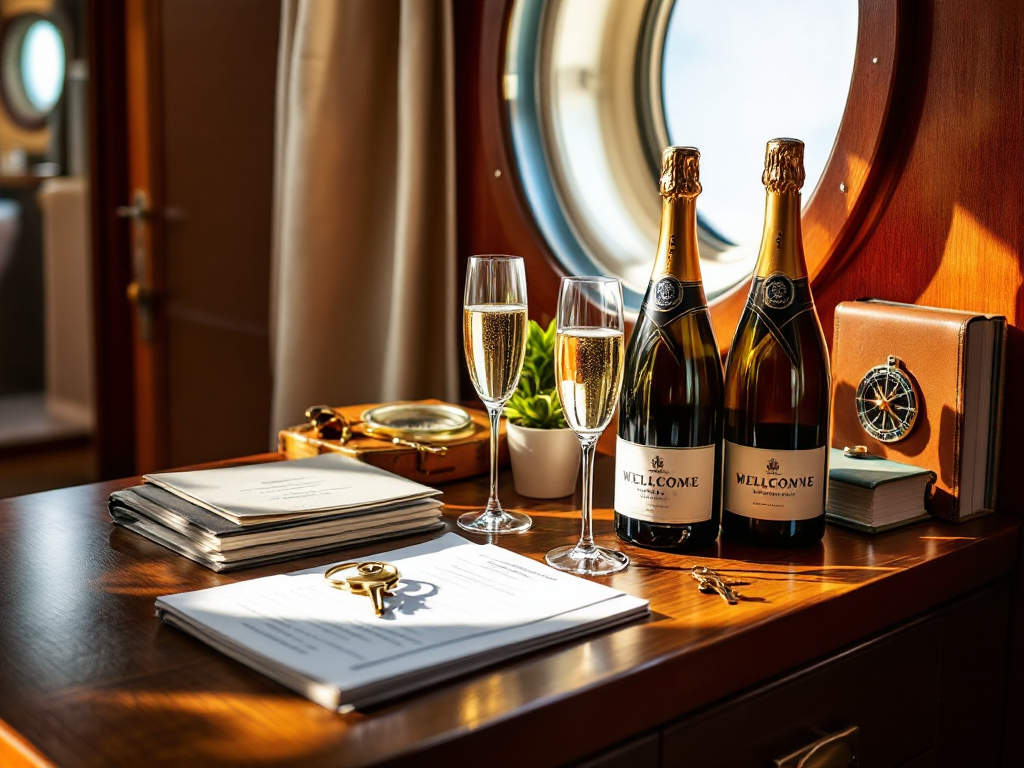
Let's start with what you can legally bring, because most cruise lines are more generous than you might expect:
Royal Caribbean: One 750ml bottle of wine or champagne per adult (21+) in carry-on luggage only. No beer or spirits allowed.
Carnival: One 750ml bottle of wine or champagne per adult (21+) in carry-on luggage. They're strict about the "carry-on only" rule – I've seen bottles confiscated from checked bags.
Norwegian: One 750ml bottle of wine or champagne per adult. They also allow you to bring wine aboard at ports for a $15 corkage fee if consumed in dining rooms.
Celebrity: Two bottles of wine or champagne per stateroom (not per person). This is actually one of the most generous policies.
Princess: One bottle of wine or champagne per adult, plus they allow wine purchases at ports with a $15 corkage fee.
MSC: One bottle of wine or champagne per adult, but must be consumed in your cabin.
The key detail everyone misses: these bottles must be in your carry-on luggage, not checked bags. I learned this the hard way on Harmony of the Seas when my Prosecco disappeared from my checked suitcase.
The consequences for getting caught smuggling alcohol have escalated dramatically in 2026. Carnival's Brand Ambassador John Heald has been particularly vocal about lifetime bans, stating publicly that guests caught smuggling face permanent bans from the entire Carnival Corporation fleet.
Here's what actually happens when you're caught:
I witnessed a family get removed from Celebrity Edge in Fort Lauderdale last year after security found multiple bottles hidden in their luggage. Their $8,000 suite went unused, and they were banned from Celebrity for life.
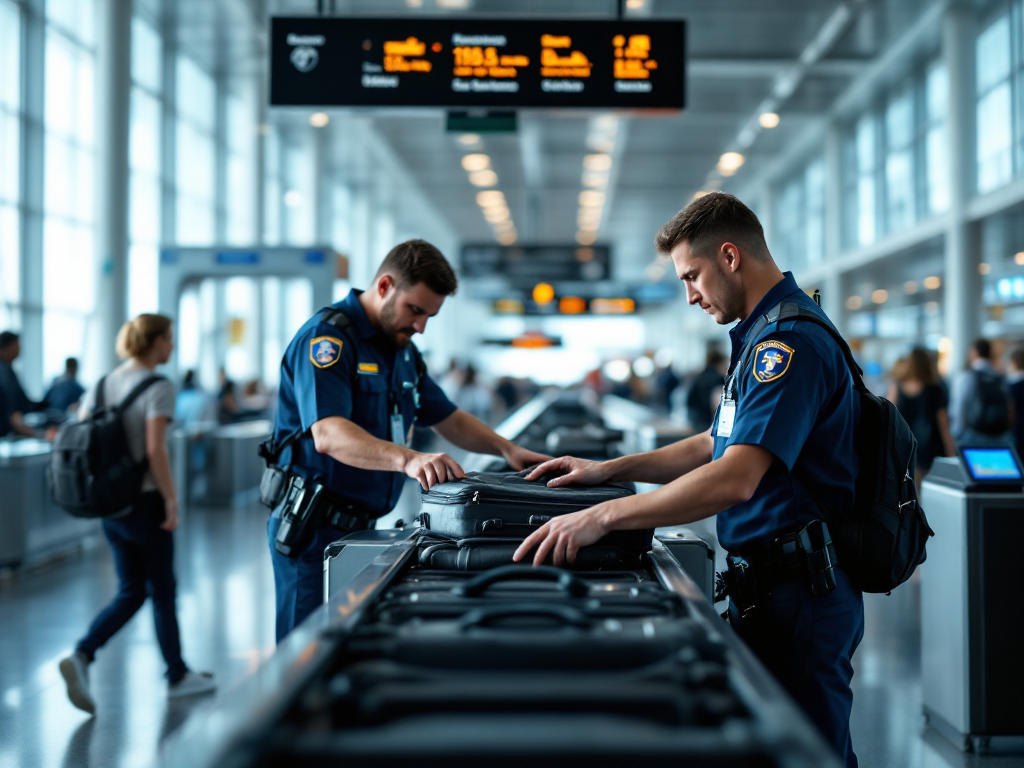
Cruise security technology has advanced significantly. Every bag goes through X-ray machines that easily identify liquid containers, regardless of creative packaging. Body scanners detect small bottles taped to your body. Trained security staff recognize every smuggling method you've seen on YouTube or TikTok.
But the detection doesn't stop at embarkation. Crew members monitor passenger behavior throughout the cruise. If you appear intoxicated without purchasing drinks, they'll investigate. Room stewards report suspicious items during cleaning. Some cruise lines even monitor social media for passengers bragging about successful smuggling.
On Oasis of the Seas, I watched security escort a passenger off the ship in Cozumel after crew noticed he'd been drunk for three days despite never visiting a bar.
Let's talk numbers. A typical 7-day cruise drink package costs $55-65 per person per day in 2026. For two people, that's $770-910 total. Expensive? Yes. But consider the real cost of getting caught smuggling:
The math is brutal. You're risking thousands to save hundreds.
Better alternatives exist:
After dozens of cruises, I've learned how to enjoy alcohol without breaking rules or breaking the bank:
Choose your legal bottle wisely. Skip expensive champagne – bring a nice bottle of wine you'll actually drink. I always pack a $15-20 bottle of red wine that pairs well with specialty restaurant dinners.
Time your beverage package purchase. Most cruise lines offer pre-cruise sales with significant discounts. Royal Caribbean's packages often drop to $45-50 per day during flash sales.
Understand the break-even point. If you drink 4-5 alcoholic beverages per day, packages usually pay for themselves. Less than that? Pay per drink.
Exploit port wine policies. Norwegian and Princess allow port-purchased wine with corkage fees – great for longer Mediterranean cruises.
Book specialty restaurant wine pairings. These often provide better value than individual glass purchases.
Remember: you can't remove alcohol from the ship, so finish your legal bottle before disembarkation.
I've built relationships with crew members across multiple cruise lines, and their perspective is eye-opening. They don't enjoy catching passengers – it creates confrontation and paperwork. But they're required to report violations, and cruise lines have zero tolerance policies.
One bartender on Norwegian Breakaway told me: "We'd rather sell you drinks and have everyone happy. When we catch smugglers, nobody wins."
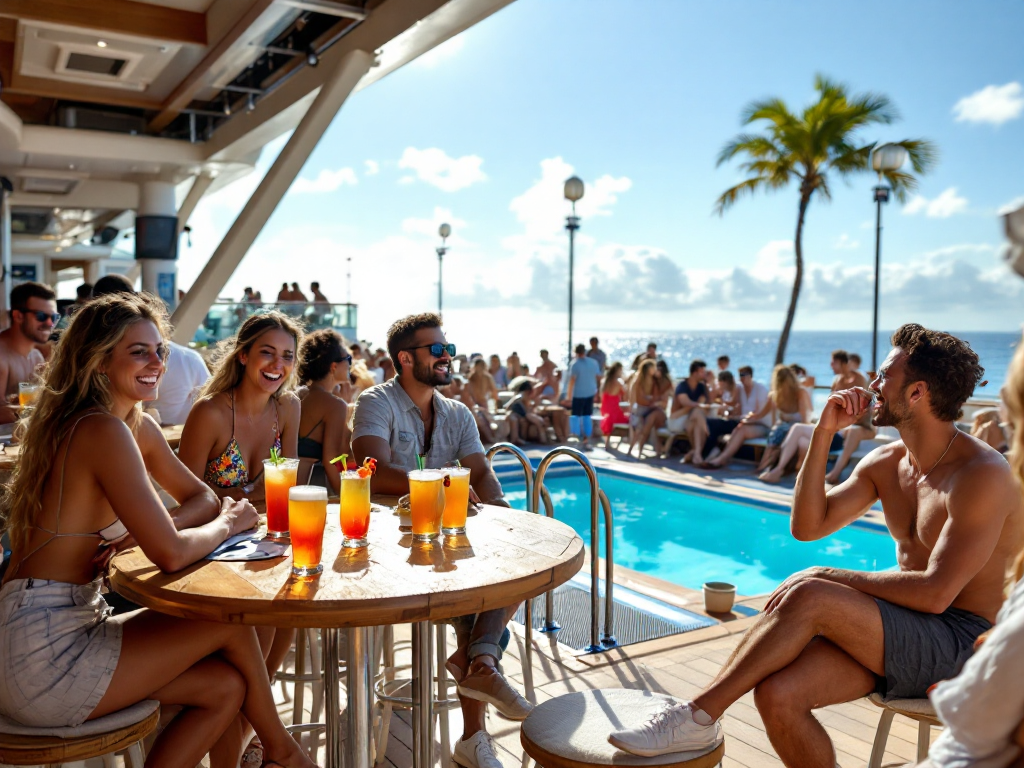
Crew members also pointed out something crucial: you can't openly enjoy smuggled alcohol. You're confined to your cabin, missing the social aspects that make cruise drinking fun. Meanwhile, legal drinkers are enjoying poolside cocktails and bar conversations.
Cruise alcohol policies aren't designed to punish you – they're business decisions. Cruise lines make significant revenue from beverage sales, but they also provide controlled environments with trained bartenders who monitor consumption.
The smart play in 2026? Work within the system. Bring your legal bottle, consider beverage packages during sales, and enjoy the social atmosphere cruise bars provide. The money you save by smuggling isn't worth losing your vacation, your future cruise opportunities, or your peace of mind.
Every experienced cruiser I know has learned this lesson: the best cruise memories happen when you're relaxing with a legal drink, not worrying about getting caught.
Ready to plan your next cruise with confidence? Join our community to share your cabin selection strategies and get advice from fellow cruisers in our cabin discussion forums!
What Every Cruise Line Actually Allows
Let's start with what you can legally bring, because most cruise lines are more generous than you might expect:
Royal Caribbean: One 750ml bottle of wine or champagne per adult (21+) in carry-on luggage only. No beer or spirits allowed.
Carnival: One 750ml bottle of wine or champagne per adult (21+) in carry-on luggage. They're strict about the "carry-on only" rule – I've seen bottles confiscated from checked bags.
Norwegian: One 750ml bottle of wine or champagne per adult. They also allow you to bring wine aboard at ports for a $15 corkage fee if consumed in dining rooms.
Celebrity: Two bottles of wine or champagne per stateroom (not per person). This is actually one of the most generous policies.
Princess: One bottle of wine or champagne per adult, plus they allow wine purchases at ports with a $15 corkage fee.
MSC: One bottle of wine or champagne per adult, but must be consumed in your cabin.
The key detail everyone misses: these bottles must be in your carry-on luggage, not checked bags. I learned this the hard way on Harmony of the Seas when my Prosecco disappeared from my checked suitcase.
Why Smuggling Has Become a Terrible Idea
The consequences for getting caught smuggling alcohol have escalated dramatically in 2026. Carnival's Brand Ambassador John Heald has been particularly vocal about lifetime bans, stating publicly that guests caught smuggling face permanent bans from the entire Carnival Corporation fleet.
Here's what actually happens when you're caught:
- Immediate confiscation – your alcohol is gone forever
- Cabin searches – security will thoroughly search your entire stateroom
- Possible disembarkation – you could be kicked off at the next port at your own expense
- Lifetime cruise line bans – increasingly common in 2026
- Denied boarding – some passengers don't even make it onto the ship
I witnessed a family get removed from Celebrity Edge in Fort Lauderdale last year after security found multiple bottles hidden in their luggage. Their $8,000 suite went unused, and they were banned from Celebrity for life.
How Cruise Lines Actually Detect Hidden Alcohol
Cruise security technology has advanced significantly. Every bag goes through X-ray machines that easily identify liquid containers, regardless of creative packaging. Body scanners detect small bottles taped to your body. Trained security staff recognize every smuggling method you've seen on YouTube or TikTok.
But the detection doesn't stop at embarkation. Crew members monitor passenger behavior throughout the cruise. If you appear intoxicated without purchasing drinks, they'll investigate. Room stewards report suspicious items during cleaning. Some cruise lines even monitor social media for passengers bragging about successful smuggling.
On Oasis of the Seas, I watched security escort a passenger off the ship in Cozumel after crew noticed he'd been drunk for three days despite never visiting a bar.
The Real Cost Analysis: Smuggling vs Legal Options
Let's talk numbers. A typical 7-day cruise drink package costs $55-65 per person per day in 2026. For two people, that's $770-910 total. Expensive? Yes. But consider the real cost of getting caught smuggling:
- Lost cruise fare: $3,000-8,000 average
- Lost airfare: $400-1,200
- Lost shore excursions: $500-1,500
- Lost vacation time: priceless
- Future cruise opportunities: gone forever
The math is brutal. You're risking thousands to save hundreds.
Better alternatives exist:
- Buy beverage packages during pre-cruise sales (often 20% off)
- Purchase individual drinks (beer averages $7-8, cocktails $12-14)
- Take advantage of happy hour specials (usually 25-30% off)
- Enjoy wine tastings and included events
- Share your legal bottle strategically
Smart Strategies for Legal Cruise Drinking
After dozens of cruises, I've learned how to enjoy alcohol without breaking rules or breaking the bank:
Choose your legal bottle wisely. Skip expensive champagne – bring a nice bottle of wine you'll actually drink. I always pack a $15-20 bottle of red wine that pairs well with specialty restaurant dinners.
Time your beverage package purchase. Most cruise lines offer pre-cruise sales with significant discounts. Royal Caribbean's packages often drop to $45-50 per day during flash sales.
Understand the break-even point. If you drink 4-5 alcoholic beverages per day, packages usually pay for themselves. Less than that? Pay per drink.
Exploit port wine policies. Norwegian and Princess allow port-purchased wine with corkage fees – great for longer Mediterranean cruises.
Book specialty restaurant wine pairings. These often provide better value than individual glass purchases.
Remember: you can't remove alcohol from the ship, so finish your legal bottle before disembarkation.
What Crew Members Really Think
I've built relationships with crew members across multiple cruise lines, and their perspective is eye-opening. They don't enjoy catching passengers – it creates confrontation and paperwork. But they're required to report violations, and cruise lines have zero tolerance policies.
One bartender on Norwegian Breakaway told me: "We'd rather sell you drinks and have everyone happy. When we catch smugglers, nobody wins."
Crew members also pointed out something crucial: you can't openly enjoy smuggled alcohol. You're confined to your cabin, missing the social aspects that make cruise drinking fun. Meanwhile, legal drinkers are enjoying poolside cocktails and bar conversations.
The Bottom Line on Cruise Alcohol Policies
Cruise alcohol policies aren't designed to punish you – they're business decisions. Cruise lines make significant revenue from beverage sales, but they also provide controlled environments with trained bartenders who monitor consumption.
The smart play in 2026? Work within the system. Bring your legal bottle, consider beverage packages during sales, and enjoy the social atmosphere cruise bars provide. The money you save by smuggling isn't worth losing your vacation, your future cruise opportunities, or your peace of mind.
Every experienced cruiser I know has learned this lesson: the best cruise memories happen when you're relaxing with a legal drink, not worrying about getting caught.
Ready to plan your next cruise with confidence? Join our community to share your cabin selection strategies and get advice from fellow cruisers in our cabin discussion forums!
Last edited: