

After 40+ cruises with families of all ages, I've learned that packing for kids on a cruise ship is both an art and a science. You need to balance bringing enough essentials while avoiding overpacking for those tiny cruise cabins. The key? Age-appropriate planning that accounts for everything from pool time to formal nights to port days.
Let me walk you through exactly what to pack for each age group, plus the insider tricks that'll save you money and stress once you're aboard.
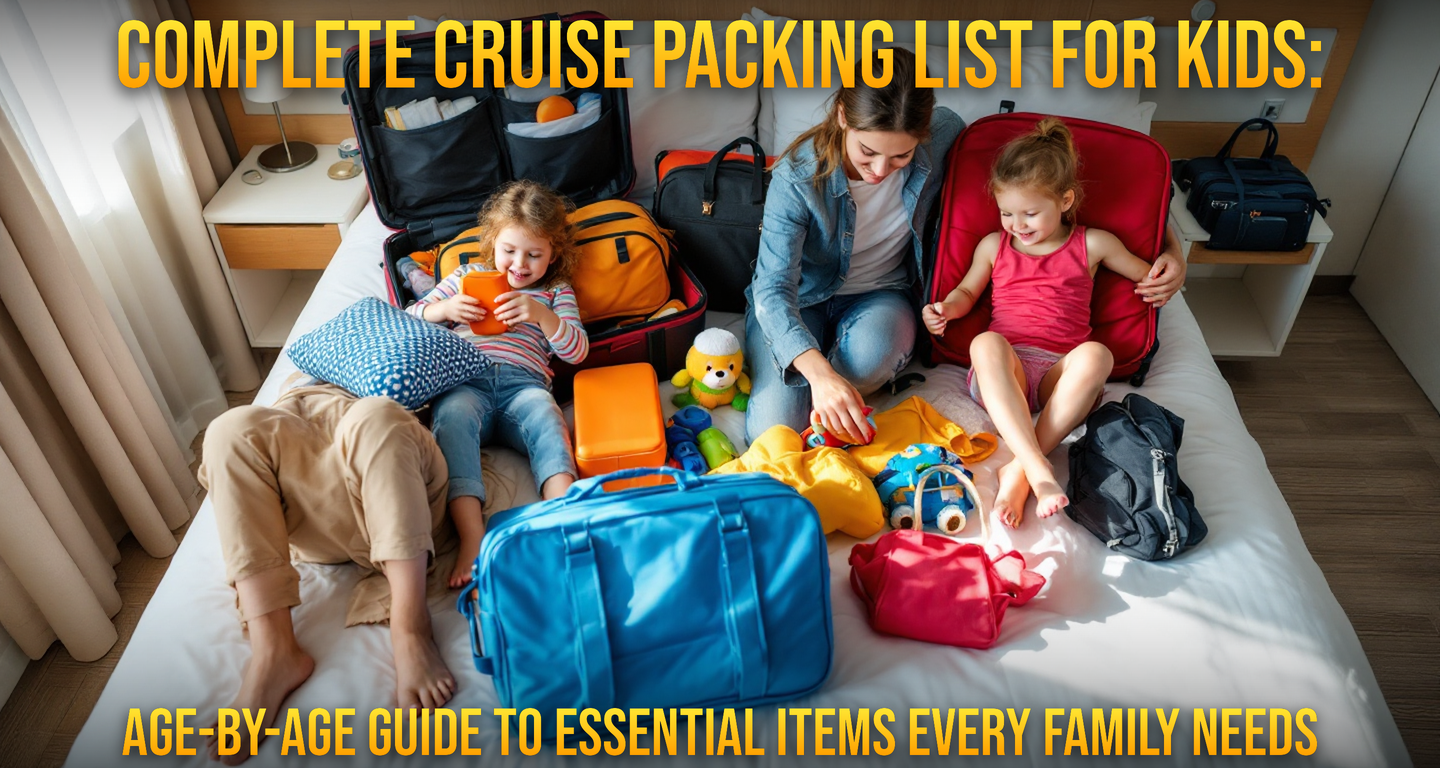
Cruising with babies requires more gear, but the payoff is huge – room service, poolside relaxation while they nap, and built-in childcare on most ships.
Essential Items:
Pro Insider Tip: Request a pack-n-play from guest services as soon as you board. They're free but limited, so early birds get them. I've seen families wait 2 days because they asked too late.
Formal Night Strategy: Pack one nice outfit, but don't stress. Main dining rooms always accommodate families, and room service is your backup plan.

This age group needs constant entertainment but is finally easier to pack for. They're potty trained, can walk longer distances, and actually enjoy kids' clubs.
Essential Items:
Money-Saving Hack: Bring your own kids' Tylenol and basic medications. The medical center charges $15 for a single dose of children's Tylenol.
Kids' Club Reality Check: Pack an extra set of clothes in their backpack. Kids' clubs do messy activities, and you don't want to trek back to the cabin for clean clothes.
This is honestly the best age for cruising. They're independent enough for kids' clubs, old enough for most activities, but still young enough to nap when needed.

Essential Items:
Formal Night Pro Tip: Boys need dress pants, collared shirts, and closed-toe shoes. Girls can wear sundresses, but pack a cardigan – dining rooms get cold. The main dining room will turn away kids in shorts after 6 PM.
Port Day Strategy: Let them carry a small amount of cash ($10-20) in their own wallet. They feel independent, and you're not constantly digging for money for souvenirs.
Teens bring their own opinions about what to pack, which is both helpful and challenging. They care about looking good but still need parental guidance on practical items.

Essential Items:
Teen Reality Check: They'll want to hang out in teen clubs and meet other kids. Pack clothes they feel confident in, not just practical items. Confidence matters at this age.
Social Media Consideration: If they're posting photos, discuss internet package costs upfront. Basic packages run $15-30 per day per device.
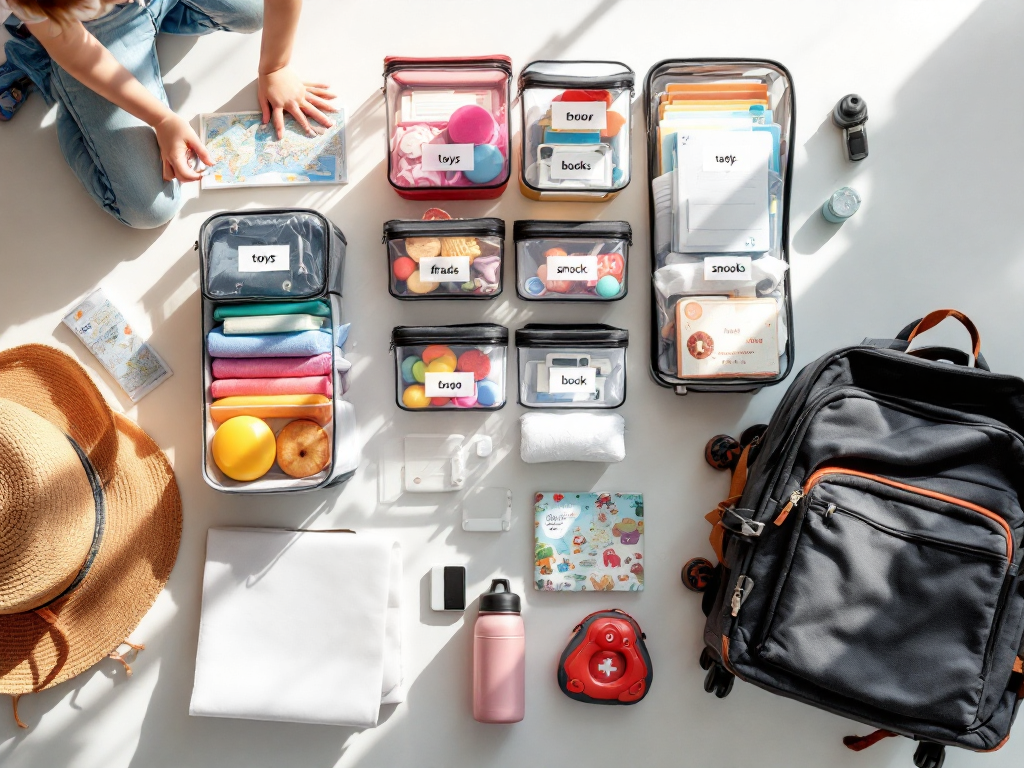
Regardless of age, these items are non-negotiable for every child:
After years of overpacking, here's what you can skip:
The One-Bag Rule: Each child over 5 should pack their own small carry-on with essentials for the first day. Checked luggage sometimes arrives late.
The Mix-and-Match Method: Choose 2-3 color families and pack pieces that all work together. You'll pack 30% less while still having outfit variety.
The Emergency Kit: Pack one small bag with basics for all kids – first aid, medications, extra clothes. Keep it accessible.
Laundry Day Planning: Ships charge $3-5 per item for laundry service. Self-service laundromats cost about $8 per load. Pack accordingly.
Different regions require different prep:
Caribbean: Focus on sun protection, water shoes, and lightweight clothes. Pack insect repellent for jungle excursions.
Alaska: Layers are everything. Pack waterproof jackets and warm hats. Indoor activities need dressier clothes.
Mediterranean: Walking shoes are crucial. Many ports involve cobblestones and hills. Pack modest clothes for church visits.
Northern Europe: Weather changes quickly. Pack rain gear and warm layers, even in summer.
The bottom line? Packing for kids on cruises gets easier with experience, but these age-specific guidelines will set you up for success from day one. Focus on comfort, versatility, and having backup plans for the unexpected.
Remember, you can buy forgotten items onboard, but ship stores are expensive and have limited selection. A little extra planning saves money and stress later.
Ready to start planning your family cruise? Connect with other parents and get real-world packing advice from experienced cruising families in our Family Cruise Community – it's where the best tips come from parents who've actually been there!
Let me walk you through exactly what to pack for each age group, plus the insider tricks that'll save you money and stress once you're aboard.
Babies and Toddlers (0-2 Years): The Heavy Lifting Years
Cruising with babies requires more gear, but the payoff is huge – room service, poolside relaxation while they nap, and built-in childcare on most ships.
Essential Items:
- Diapers for entire trip plus 3 extra days (ship stores charge $25+ for small packs)
- Baby formula and food (enough for the full cruise – some ports have limited selection)
- Portable sound machine (cruise ship hallways get noisy at night)
- Stroller that folds compact (elevators are small, and you'll use it in ports)
- Baby carrier for shore excursions
- Swim diapers and UV protection swimwear
- Pacifiers (bring 4-5, they love to drop them overboard)
- Baby sunscreen (reef-safe for Caribbean ports)
- Portable high chair or booster that straps to regular chairs
- White noise app downloaded to your phone
Pro Insider Tip: Request a pack-n-play from guest services as soon as you board. They're free but limited, so early birds get them. I've seen families wait 2 days because they asked too late.
Formal Night Strategy: Pack one nice outfit, but don't stress. Main dining rooms always accommodate families, and room service is your backup plan.
Preschoolers (3-5 Years): The Activity Pack Champions
This age group needs constant entertainment but is finally easier to pack for. They're potty trained, can walk longer distances, and actually enjoy kids' clubs.
Essential Items:
- Travel tablet loaded with downloaded movies/shows (WiFi can be spotty)
- Small backpack they can carry with coloring books and crayons
- Floaties or puddle jumpers (even if they can swim – pools get crowded)
- 2-3 nice outfits for formal nights (they love dressing up)
- Comfortable walking shoes for ports (not just sandals)
- Small toys for quiet time in the cabin
- Travel-size first aid kit with band-aids (they're always getting "hurt")
- Snacks from home for picky eaters (granola bars, crackers)
- Glow sticks for deck parties
Money-Saving Hack: Bring your own kids' Tylenol and basic medications. The medical center charges $15 for a single dose of children's Tylenol.
Kids' Club Reality Check: Pack an extra set of clothes in their backpack. Kids' clubs do messy activities, and you don't want to trek back to the cabin for clean clothes.
School Age (6-11 Years): The Sweet Spot Cruisers
This is honestly the best age for cruising. They're independent enough for kids' clubs, old enough for most activities, but still young enough to nap when needed.
Essential Items:
- Formal wear that actually fits properly (cruise photographers are everywhere)
- Water shoes for rocky beaches (flip-flops don't cut it in Cozumel)
- Small crossbody bag for port days with their own spending money
- Travel journal and pen (they'll want to remember everything)
- Portable phone charger (if they have devices)
- Extra hair ties and headbands for windy deck days
- Light jacket for air-conditioned restaurants
- Reef-safe sunscreen (mandatory in many ports now)
- Small day pack for shore excursions
Formal Night Pro Tip: Boys need dress pants, collared shirts, and closed-toe shoes. Girls can wear sundresses, but pack a cardigan – dining rooms get cold. The main dining room will turn away kids in shorts after 6 PM.
Port Day Strategy: Let them carry a small amount of cash ($10-20) in their own wallet. They feel independent, and you're not constantly digging for money for souvenirs.
Tweens and Teens (12+ Years): The Complicated Packers
Teens bring their own opinions about what to pack, which is both helpful and challenging. They care about looking good but still need parental guidance on practical items.
Essential Items:
- Multiple swimsuits (they won't want to put on a wet suit)
- Formal attire they actually like (let them choose, or you'll hear complaints all week)
- Portable phone chargers and extra charging cables
- Their own toiletries (they're picky about brands now)
- Nice camera or ensure their phone has good storage for photos
- Cash for shopping in ports (teach them budgeting)
- Comfortable shoes for walking tours
- Light layers for varying temperatures
- Their own day bag for independence in ports
Teen Reality Check: They'll want to hang out in teen clubs and meet other kids. Pack clothes they feel confident in, not just practical items. Confidence matters at this age.
Social Media Consideration: If they're posting photos, discuss internet package costs upfront. Basic packages run $15-30 per day per device.
Universal Items Every Kid Needs (All Ages)
Regardless of age, these items are non-negotiable for every child:
- Prescription medications in original bottles (bring extra)
- Copy of birth certificate (required for kids under 16)
- Emergency contact information in their day bag
- Seasickness remedies (Dramamine for Kids, Sea-Bands)
- Extra underwear (pack double what you think you need)
- Laundry detergent pods for mid-cruise washing
- Small sewing kit for quick fixes
- Thermometer (required if anyone gets sick)
What NOT to Pack (Learn from My Mistakes)
After years of overpacking, here's what you can skip:
- Beach towels (ships provide them for pool and shore)
- Hair dryer (every cabin has one)
- Excessive toys (kids make friends and play together)
- Too many shoes (2-3 pairs max per child)
- Bulky strollers (rent in ports if needed)
- Glass containers (not allowed anyway)
Smart Packing Strategies That Actually Work
The One-Bag Rule: Each child over 5 should pack their own small carry-on with essentials for the first day. Checked luggage sometimes arrives late.
The Mix-and-Match Method: Choose 2-3 color families and pack pieces that all work together. You'll pack 30% less while still having outfit variety.
The Emergency Kit: Pack one small bag with basics for all kids – first aid, medications, extra clothes. Keep it accessible.
Laundry Day Planning: Ships charge $3-5 per item for laundry service. Self-service laundromats cost about $8 per load. Pack accordingly.
Port-Specific Considerations
Different regions require different prep:
Caribbean: Focus on sun protection, water shoes, and lightweight clothes. Pack insect repellent for jungle excursions.
Alaska: Layers are everything. Pack waterproof jackets and warm hats. Indoor activities need dressier clothes.
Mediterranean: Walking shoes are crucial. Many ports involve cobblestones and hills. Pack modest clothes for church visits.
Northern Europe: Weather changes quickly. Pack rain gear and warm layers, even in summer.
The bottom line? Packing for kids on cruises gets easier with experience, but these age-specific guidelines will set you up for success from day one. Focus on comfort, versatility, and having backup plans for the unexpected.
Remember, you can buy forgotten items onboard, but ship stores are expensive and have limited selection. A little extra planning saves money and stress later.
Ready to start planning your family cruise? Connect with other parents and get real-world packing advice from experienced cruising families in our Family Cruise Community – it's where the best tips come from parents who've actually been there!