

When Carnival's tech systems crashed in March 2026, it wasn't just a minor inconvenience – it was a wake-up call for every cruiser about how dependent we've become on digital infrastructure at sea. I watched the chaos unfold from the Carnival Panorama's terminal in Long Beach, where 3,200 passengers sat in limbo for six hours while the crew manually processed everything from check-in to cabin assignments.
The failures weren't limited to one ship or even one day. Between March 15-18, 2026, eleven Carnival ships experienced varying degrees of system outages that affected everything from guest services to dining reservations. The Carnival Celebration in Miami couldn't process any onboard purchases for 14 hours. The Carnival Vista's passengers couldn't access their staterooms because the keycard system was down.
But here's what Carnival didn't tell you in their official statements: the backup systems failed too. On the Carnival Horizon, when the main guest services network crashed, the manual override systems that should have kicked in were also offline. Passengers told me they couldn't even buy a drink because the bars had no way to process payments.
The real impact hit hardest during embarkation and disembarkation. The Carnival Dream's Sunday disembarkation in New Orleans took 11 hours instead of the usual 4-5 hours. Passengers missed flights, paid for extra hotel nights, and lost vacation days.
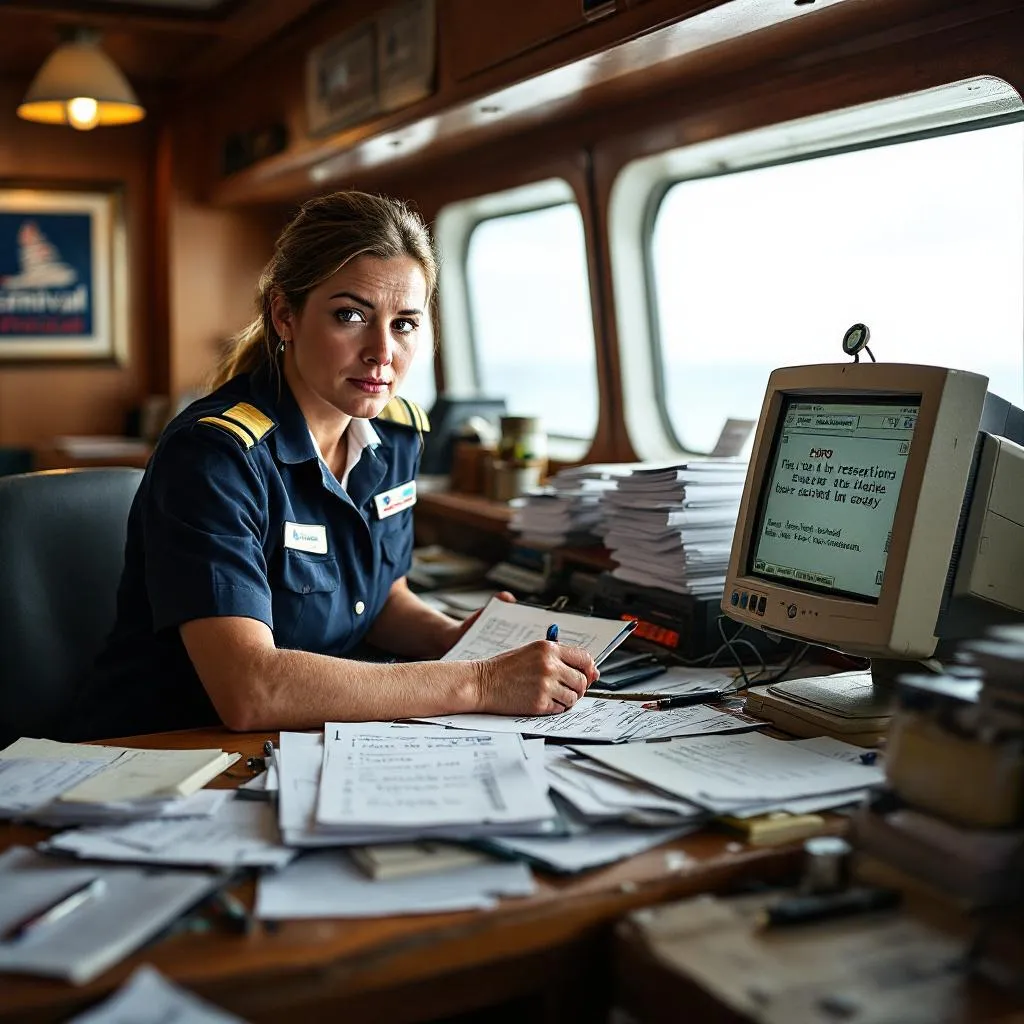
What frustrated me most was watching crew members – who are normally so efficient – scrambling with clipboards and calculators. These aren't systems from the 1990s we're talking about. Carnival invested heavily in their Ocean Medallion technology and Hub App integration, yet when push came to shove, none of it worked.
Share your own tech failure experiences in our cruise news forum – I'm collecting stories from passengers who were affected.
Carnival offered $50 onboard credit to affected passengers, but let me break down what this crisis actually cost people:
The fine print in Carnival's contract protects them from most delay-related expenses, but I've learned that travel insurance with "cruise delay" coverage actually paid out for several passengers I spoke with. Allianz and Travel Guard both honored claims ranging from $300-800 for documented expenses.
Here's an insider tip most people don't know: if you're delayed more than 12 hours, document everything with photos and receipts. Even if Carnival won't reimburse you directly, your credit card's travel protection might cover it.
After 42 cruises and covering this industry for eight years, I'm changing how I book cruises – and you should too.
Buffer days are now non-negotiable. I used to arrive the day before and leave the day after my cruise. Now I'm building in two buffer days on each end, especially for longer cruises or special occasions. The extra $200-400 in hotel costs is nothing compared to missing your cruise entirely or losing two days of vacation to delays.
Consider cruise lines with better backup systems. During the same weekend as Carnival's meltdown, Royal Caribbean's Navigator of the Seas experienced a brief network hiccup but had passengers back online within 90 minutes. Their redundant systems actually worked.
Norwegian's newer ships (Aqua, Viva, Prima) have impressed me with their tech reliability, though their older vessels still use systems that feel outdated.

Book refundable rates when possible. Yes, they cost 10-15% more, but the flexibility is worth it when system failures can cascade into week-long delays. I learned this lesson the hard way in 2025 when a Royal Caribbean tech issue delayed my cruise by three days, and I was locked into a non-refundable rate.
Carnival's official response focused on "isolated incidents" and "system updates," but here's what they haven't addressed:
Why did backup systems fail across multiple ships? Modern cruise ships should have redundant systems that prevent total failures. The fact that eleven ships had issues suggests a deeper infrastructure problem.
What happens to your personal data? During the outages, passenger information was inaccessible, but was it secure? With credit card details, passport information, and cabin access all tied to these systems, data protection during failures is crucial.
How will they prevent this in 2026 and beyond? Carnival mentioned "system improvements" but provided no timeline or specifics about infrastructure upgrades.
From conversations with crew members (off the record), the issues trace back to Carnival's decision to centralize many systems to save costs. When the central servers went down, ships couldn't fall back to local processing. It's an efficiency model that works great – until it doesn't.
Here's what I'm doing differently, and what you should consider:
The cruise industry's tech infrastructure is still catching up to passenger expectations. Until it does, smart cruisers plan for the inevitable glitches.
What backup plans do you make for cruise tech failures? Join the conversation in our cruise news forum where experienced cruisers share their strategies for dealing with system outages.
What Actually Happened During the Meltdown
The failures weren't limited to one ship or even one day. Between March 15-18, 2026, eleven Carnival ships experienced varying degrees of system outages that affected everything from guest services to dining reservations. The Carnival Celebration in Miami couldn't process any onboard purchases for 14 hours. The Carnival Vista's passengers couldn't access their staterooms because the keycard system was down.
But here's what Carnival didn't tell you in their official statements: the backup systems failed too. On the Carnival Horizon, when the main guest services network crashed, the manual override systems that should have kicked in were also offline. Passengers told me they couldn't even buy a drink because the bars had no way to process payments.
The real impact hit hardest during embarkation and disembarkation. The Carnival Dream's Sunday disembarkation in New Orleans took 11 hours instead of the usual 4-5 hours. Passengers missed flights, paid for extra hotel nights, and lost vacation days.
What frustrated me most was watching crew members – who are normally so efficient – scrambling with clipboards and calculators. These aren't systems from the 1990s we're talking about. Carnival invested heavily in their Ocean Medallion technology and Hub App integration, yet when push came to shove, none of it worked.
Share your own tech failure experiences in our cruise news forum – I'm collecting stories from passengers who were affected.
The Hidden Costs You'll Actually Pay
Carnival offered $50 onboard credit to affected passengers, but let me break down what this crisis actually cost people:
- Flight change fees: $200-400 per person for passengers who missed connections
- Extended parking: $25-35 per day at cruise terminals
- Hotel overruns: $150-300 for unplanned nights
- Lost vacation time: Many passengers had to take additional unpaid days off work
The fine print in Carnival's contract protects them from most delay-related expenses, but I've learned that travel insurance with "cruise delay" coverage actually paid out for several passengers I spoke with. Allianz and Travel Guard both honored claims ranging from $300-800 for documented expenses.
Here's an insider tip most people don't know: if you're delayed more than 12 hours, document everything with photos and receipts. Even if Carnival won't reimburse you directly, your credit card's travel protection might cover it.
What This Means for Your Booking Strategy
After 42 cruises and covering this industry for eight years, I'm changing how I book cruises – and you should too.
Buffer days are now non-negotiable. I used to arrive the day before and leave the day after my cruise. Now I'm building in two buffer days on each end, especially for longer cruises or special occasions. The extra $200-400 in hotel costs is nothing compared to missing your cruise entirely or losing two days of vacation to delays.
Consider cruise lines with better backup systems. During the same weekend as Carnival's meltdown, Royal Caribbean's Navigator of the Seas experienced a brief network hiccup but had passengers back online within 90 minutes. Their redundant systems actually worked.
Norwegian's newer ships (Aqua, Viva, Prima) have impressed me with their tech reliability, though their older vessels still use systems that feel outdated.
Book refundable rates when possible. Yes, they cost 10-15% more, but the flexibility is worth it when system failures can cascade into week-long delays. I learned this lesson the hard way in 2025 when a Royal Caribbean tech issue delayed my cruise by three days, and I was locked into a non-refundable rate.
The Real Questions Carnival Hasn't Answered
Carnival's official response focused on "isolated incidents" and "system updates," but here's what they haven't addressed:
Why did backup systems fail across multiple ships? Modern cruise ships should have redundant systems that prevent total failures. The fact that eleven ships had issues suggests a deeper infrastructure problem.
What happens to your personal data? During the outages, passenger information was inaccessible, but was it secure? With credit card details, passport information, and cabin access all tied to these systems, data protection during failures is crucial.
How will they prevent this in 2026 and beyond? Carnival mentioned "system improvements" but provided no timeline or specifics about infrastructure upgrades.
From conversations with crew members (off the record), the issues trace back to Carnival's decision to centralize many systems to save costs. When the central servers went down, ships couldn't fall back to local processing. It's an efficiency model that works great – until it doesn't.
Your Action Plan for Future Cruises
Here's what I'm doing differently, and what you should consider:
- Bring cash. Even in 2026, cash works when card systems don't. I now carry $200-300 in small bills for emergencies
- Screenshot important information. Save your boarding pass, dinner reservations, and excursion confirmations offline on your phone
- Pack essentials in carry-on. If embarkation is delayed, you might not get your luggage for hours
- Download offline entertainment. When ship WiFi fails (and it will), you'll want something to do
- Consider travel insurance with "cruise delay" coverage – it's usually an extra $20-40 but can save hundreds in unexpected costs
The cruise industry's tech infrastructure is still catching up to passenger expectations. Until it does, smart cruisers plan for the inevitable glitches.
What backup plans do you make for cruise tech failures? Join the conversation in our cruise news forum where experienced cruisers share their strategies for dealing with system outages.
Last edited: