

Sofia_Reyes
Moderator
The Real Truth About Where You Should Book Your Cabin
After 40+ cruises, I can tell you with absolute certainty: your cabin location matters as much as the ship itself. I've stayed in noisy engine rooms, peaceful tucked-away spots, and everything in between. The difference between a great cruise and a frustrating one often comes down to stateroom placement.
Here's what I've learned about picking a cabin that won't keep you awake at 2 a.m. or leave you climbing six flights of stairs every time you want lunch.
Midship vs. Forward vs. Aft: Where the Motion Really Happens
Let's start with the basic question: where on the ship should your cabin actually be?
Midship cabins (center of the ship) are your sweet spot for motion stability. During rough seas, you'll barely feel the ship moving. I've slept through Atlantic swells from a midship cabin that would have me rolling around in an aft stateroom. The physics is real—the center experiences the least movement.
That said, midship cabins are tiny. On ships like Royal Caribbean's Icon of the Seas, you're looking at 150-170 square feet for an inside cabin. Forward cabins tend to be slightly larger but come with a brutal trade-off: movement. When the ship pitches forward in waves, forward cabins feel every single one. I learned this the hard way on a transatlantic sailing—my forward cabin bounced so much I ended up moving to guest services on day two.
Aft cabins (back of the ship) are the worst for motion. The stern moves up and down like a seesaw, especially in rough weather. But here's the insider secret: aft cabins often have better views and sometimes larger floor plans because they're less desirable. If you're cruising in calm waters (Caribbean in winter, Mediterranean in summer), an aft cabin with a balcony can be incredible value.
- Midship = Most stable, but smallest cabins
- Forward = Slightly more space, bounces in rough seas
- Aft = Larger cabins often, big motion, great for calm weather
Inside vs. Outside Cabins: What You're Actually Trading
I'm going to be honest: inside cabins can feel claustrophobic if you're someone who needs natural light. But on a 7-day cruise, you're probably spending only 6-8 hours sleeping in your cabin. The rest of the time? You're exploring the ship or ports.
Inside cabins are 15-20% cheaper than outside cabins on average. On Norwegian Cruise Line's Breakaway-class ships, an inside cabin runs around $800-1,200 per person for a week, while an outside cabin starts at $1,000-1,600. That's real money, especially for families.
The trade-off: zero natural light, slightly smaller on some ships, and you'll feel more disconnected from the ocean.
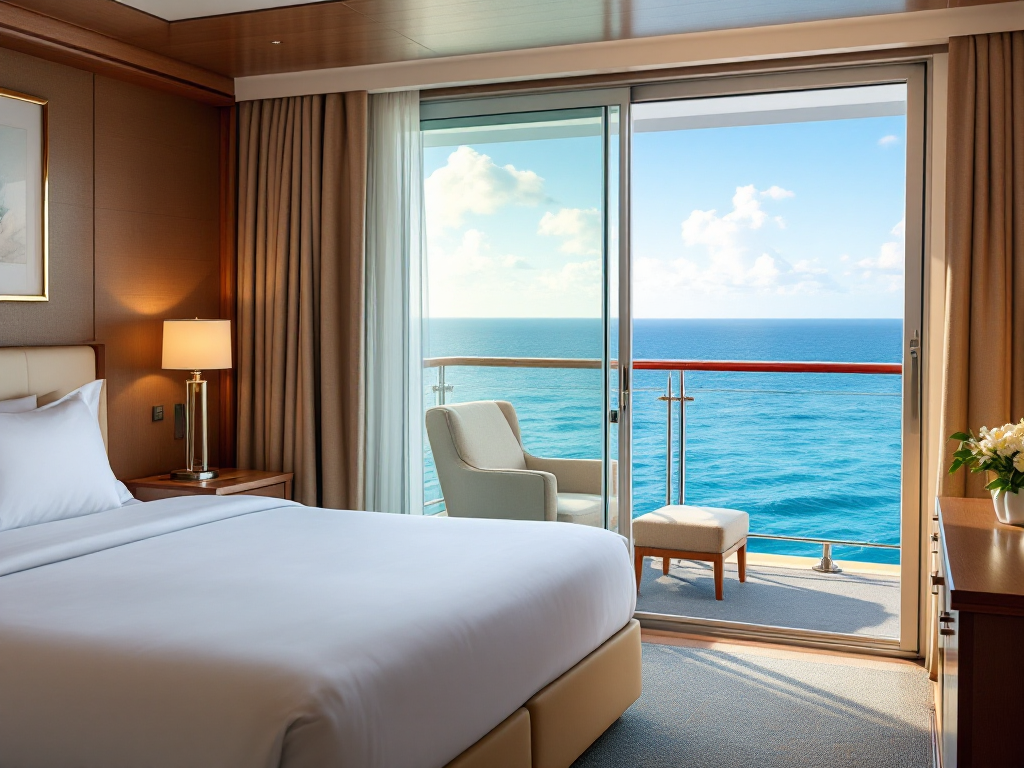
Outside cabins with balconies are what 60% of cruisers choose, and I get it. There's something magical about morning coffee on your own private deck. But here's what keeps me choosing inside cabins: I sleep better in the dark, and I'm rarely in my cabin when the sun is up.
Deck-by-Deck Noise Reality: Where You'll Actually Hear Screaming Kids
Now we get to the thing nobody talks about until it's too late: noise.
Decks 5-7 on most mega ships are where the kids clubs and youth programs run. If you hate the sound of children playing, avoid these entirely. I'm a parent who loves kids, and even I booked a deck 13 cabin to escape the daytime noise.
Directly below nightclubs is another obvious one, but it shocks me how many people book above the Alchemy Bar (Royal Caribbean's main nightclub). On the Wonder of the Seas, the nightclub is on deck 3, which means decks 4-6 above it get bass rumble until 2 a.m. on sea days.
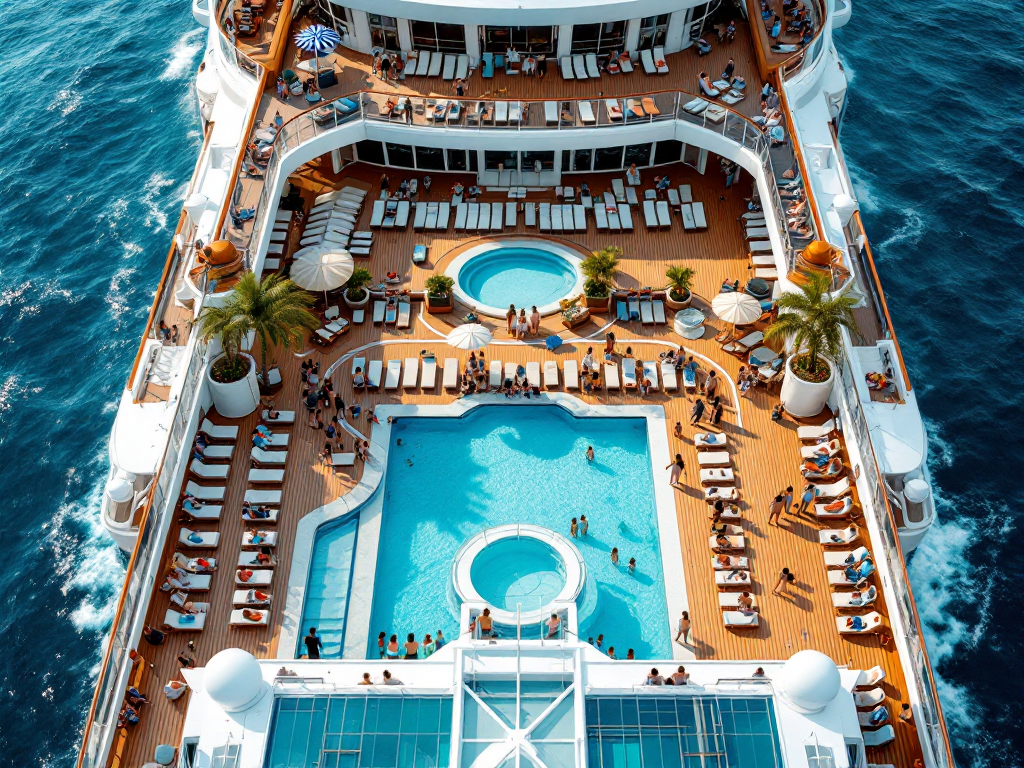
Near the main pool (usually deck 12-14 on Oasis-class ships) means noise from 8 a.m. to sunset. Splashing, kids yelling, bartenders calling out drink orders. It's constant.
Above the main dining room (which you'll find by looking at your ship's deck plan online) can mean kitchen noise in the morning—banging, clanging, and mechanical hums from 6 a.m. onward.
The quietest cabins? Usually on upper decks (15+) and tucked toward the sides, away from elevators and stairwells. Forward upper decks are often silent.
- Decks 5-7 = Kids clubs, screaming, constant activity
- Directly above nightclubs = Bass until 2-3 a.m.
- Poolside decks = All-day noise
- Near elevators = Constant rumbling and dinging
- Upper forward decks (15+) = Quietest option
Hidden Gems by Ship Class
Royal Caribbean Oasis-Class (Oasis, Allure, Wonder, Icon)
These massive ships have 2,700+ cabins, so location is everything. The sweet spot? Decks 8-10 on the forward side. You're high enough to avoid pool noise, forward enough for stability, and you'll find cabins on these decks that are literally never booked because passengers assume they're too far forward.
Avoid: Decks 2-4 (engine noise), Deck 5 (kids club madness), and the aft section above deck 12 (motion and Playmaker sports bar noise).
Disney Cruise Line (Wish, Treasure, Dream, Fantasy)
Disney cabins are smaller but incredibly well-designed. The hidden gem? Deck 7 forward on the Wonder or Fantasy. You're past the main atrium noise, forward enough for motion stability, and most families book the main pool decks without realizing how many quiet cabins exist forward.
Avoid: Midship on any deck (elevator noise is relentless), and definitely not above the Buena Vista Theater if you're light-sensitive.
Norwegian Cruise Line (Epic, Bliss, Escape)
Norwegian's ships are spread out differently. The Epic's cabin real estate on decks 10-12 forward is genuinely underrated—you get space, quiet, and views without the premium inside-passage pricing. I found a $950/person cabin here that felt like a suite.
Avoid: The Studio cabins (deck 14+) are trendy and often booked by solo travelers. They're small and have shared lounge areas that can get messy.
Carnival Cruise Line (Icon, Panorama, Vista)
Carnival's newer ships are actually well-laid-out. Decks 6-8 aft on the Icon are larger than you'd expect and away from the main action. The Vista's penthouse cabins on deck 12 are overpriced, but regular cabins on deck 9 forward are a steal.
Avoid: Don't assume the cheapest cabin is forward. On the Icon, the absolute budget cabins are actually midship on deck 4, surrounded by dining venues and noise.
Princess Cruises (Enchanted, Discover, Sky)
Princess ships are smaller and quieter overall, but the hidden gem is deck 13 forward on the Sky. It's literally a forgotten corner with fewer cabins, no foot traffic, and incredible peace and quiet.
Avoid: Deck 5 aft (buffet noise from below), and skip balconies directly above the Promenade Deck—you'll hear music and voices constantly.
Specific Cabin Categories Worth Booking—and Which to Skip
Cabin categories can be confusing. Let me break down what you're actually paying for:
Interior cabins (inside): $599-1,200/person on 7-day cruise. My recommendation: yes, always. You sleep in the dark anyway.
Oceanview cabins (small window): $749-1,500/person. The middle ground. You get a window but it's tiny. Honestly? Skip this and go inside or upgrade to a balcony.
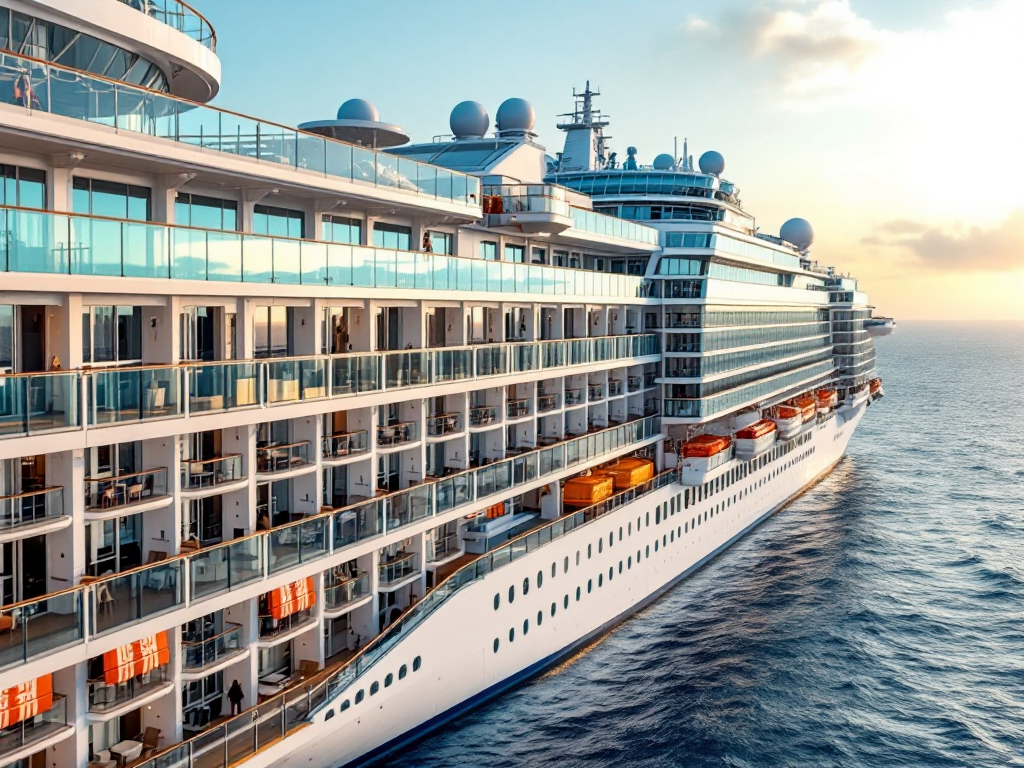
Balcony cabins: $1,000-2,500/person depending on ship. My move? Book the smallest balcony (interior balcony on some ships) if you want that private deck without destroying your budget. On Royal Caribbean's Icon, interior balconies start at $1,150 and are just as private as ocean-view balconies.
Suite cabins: $2,500-8,000+/person. Here's the reality: yes, suites have concierge, priority dining, and other perks. But if you're claustrophobic in regular cabins and need space, rethink your entire cruise. Maybe a smaller ship is better for you. A smaller ship's regular cabin will feel bigger than a mega-ship's balcony cabin.
The Things Nobody Tells You Until Too Late
Your neighbors matter more than location. I've had peaceful weeks in noisy decks because neighbors were quiet, and nightmare weeks in quiet areas because someone above me was stomping around at midnight. This is luck, but know that cabin walls are thin. Very thin.
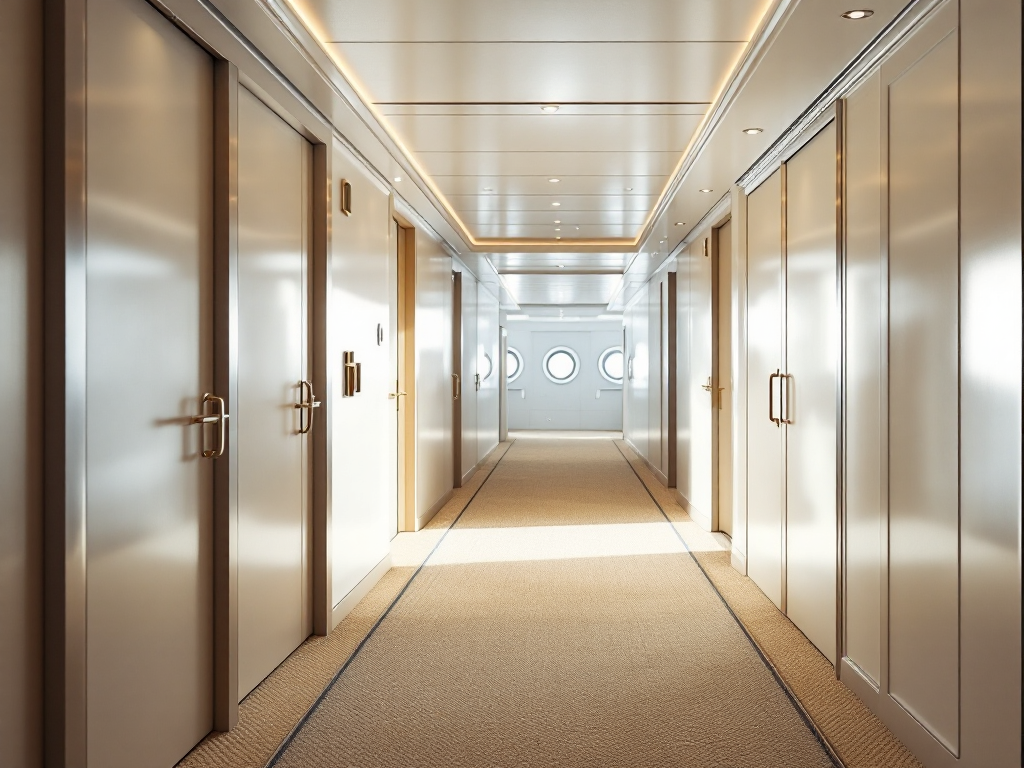
Cabins near the bridge (very front of ship) are often quieter but sometimes harder to access. On larger ships, you might be walking 10 minutes just to get to the main atrium. Is the quiet worth it? For me, yes. For someone with mobility issues, absolutely not.
Obstructed-view cabins are massively discounted for a reason, but sometimes the obstruction is minor—a lifeboat you can't see around, or a partial view. Ask your travel agent (or our AI concierge) for a deck plan before booking. Sometimes that $400 savings is worth a lifeboat view.
Sea-day weather matters. If you're cruising the Mediterranean in September or the Caribbean in winter, even aft cabins are stable. But transatlantic sailings in spring? Your motion sensitivity suddenly matters way more. Check historical weather for your specific sailing dates.
How to Actually Book the Perfect Cabin
Here's my system:
- Decide your motion tolerance (stability = midship, don't care = save money with aft)
- Check the ship's deck plan online (most cruise lines publish these)
- Identify which decks have the attractions you'll use most (pool, dining, nightclubs)
- Book cabins on opposite decks from those attractions
- Verify your exact deck and cabin number 60 days before sailing
- If you hate it, call guest services at embarkation—moves are possible if the ship isn't completely full
But here's the thing: you shouldn't have to guess about cabin placement. When you use our CruiseVoices AI concierge or Trip Planner, you can actually talk through your preferences—motion sensitivity, noise concerns, mobility needs—and we'll help you find the exact cabin that matches your priorities. No second-guessing, no booking regrets.
Real Numbers: What Different Locations Cost
Using real 2026 pricing I've tracked:
7-day Eastern Caribbean cruise (Royal Caribbean Icon)
- Inside cabin, deck 4 midship: $799/person
- Inside cabin, deck 10 forward: $849/person
- Balcony cabin, deck 12 aft: $1,299/person
- Balcony cabin, deck 8 midship: $1,799/person
The midship balcony costs more because cruisers know it's stable and quiet. The forward inside is only $50 more—and honestly, for most people, it's the better value.
What Location Mistakes Cost Me
I've made every cabin location mistake so you don't have to:
- Booked forward on a transatlantic sailing: Woke up seasick three nights in a row. Should have paid $200 more for midship.
- Assumed "oceanview" meant beautiful views: My cabin window faced the port side of the ship at dock. Locked metal shutter for 4 days. Inside cabin would've been the same price.
- Picked a cabin above the Boleros nightclub: Bass at 2 a.m. every night. Never again.
- Ignored the kids club location: 7 a.m. screaming outside my door during animation activities. I moved cabins on day two.
These mistakes taught me that you can't unsee a bad cabin choice. It colors your entire cruise experience.
Your Next Move
Cabin location is one of those decisions that seems small until it's too late. But you don't have to make it alone. When you're ready to actually book your cruise—with the right cabin in the right location—head to our CruiseVoices forums to connect with other cruisers who've made this exact decision.
Or better yet, use our AI concierge to talk through your cabin preferences, sailing dates, and ship choice. We'll handle the research, the booking, and the cabin placement—so you can focus on the part that actually matters: enjoying your vacation.
Your dream cabin is out there. You just need to know where to look.
Last edited by a moderator: