

Chloe_Banks
Moderator
Barcelona Cruise Port Guide 2026: Getting Around, Staying Safe, and Making the Most of Gaudí's City
Barcelona is one of Europe's most rewarding cruise ports—and one of the trickiest to navigate if you're not prepared. I've docked here a dozen times on different ships, and I've learned the hard way what works and what doesn't. This guide covers everything from port transportation to pickpocket hotspots, plus the real deal on visiting Sagrada Familia and exploring this magical Catalan city.
Let me be honest upfront: Barcelona is gorgeous, vibrant, and absolutely worth your port day. But it's also crowded, the metro can be confusing, and yes—petty theft is a real problem. The good news? You can avoid most headaches with smart planning and street awareness.
Where Your Ship Docks: Terminal Location Matters
Most cruise ships dock at one of three terminals in the Port Vell (Old Port) area: Terminal A, Terminal B, or the World Trade Center. Some newer mega-ships use terminals further north. Before your cruise, check your cruise line's website or your documents to confirm your exact terminal.
From any of these terminals, you're roughly 2–3 kilometers from Las Ramblas, the city's famous tree-lined boulevard. The good news? The port is close to the city center. The bad news? Those 2–3 kilometers matter when you're on foot with limited time.
Getting from Port to City: Your Transportation Options
Official Shuttle Buses
Your cruise line almost always offers an official shuttle bus ($15–25 USD per person, roughly). It drops you at Plaça Reial or another central location. This is the safest, most predictable option if you're not confident navigating independently. The downside: you're on someone else's schedule, and the shuttle gets packed during peak hours.
Metro (The Real Barcelona Option)
This is how locals move around, and it's genuinely your best bet if you want freedom. Buy a T-10 ticket (10 journeys for about €11) at any metro station near the port. The metro is modern, efficient, and runs frequently.
Insider tip: Take the metro from Drassanes station (literally steps from the port) directly north on Line 3. Get off at Plaça Catalunya or Passeig de Gràcia to explore the city center. A single journey takes about 5 minutes.
However, the metro is also where pickpockets operate most actively. I'll cover that in detail below.
Taxis and Ride-Sharing
Official white taxis with the black stripe are honest and metered. A ride to Sagrada Familia should cost €12–18. Uber and Bolt both operate in Barcelona. These are reliable but more expensive than metro—usually €8–15 depending on location and time.
Walking
If your ship docks at World Trade Center (the northernmost terminal), walking into the Gothic Quarter is actually doable—about 20 minutes downhill. But carrying bags? Not ideal. And you're vulnerable in some transition areas between the port and main attractions.
The Pickpocket Reality: How to Stay Safe
Let me be direct: Barcelona has a pickpocketing problem, especially targeting cruise passengers. In 2026, I've heard reports from at least three cruisers on our forums who lost phones, wallets, or passports. It's not inevitable, but it's real.
Where They Strike:
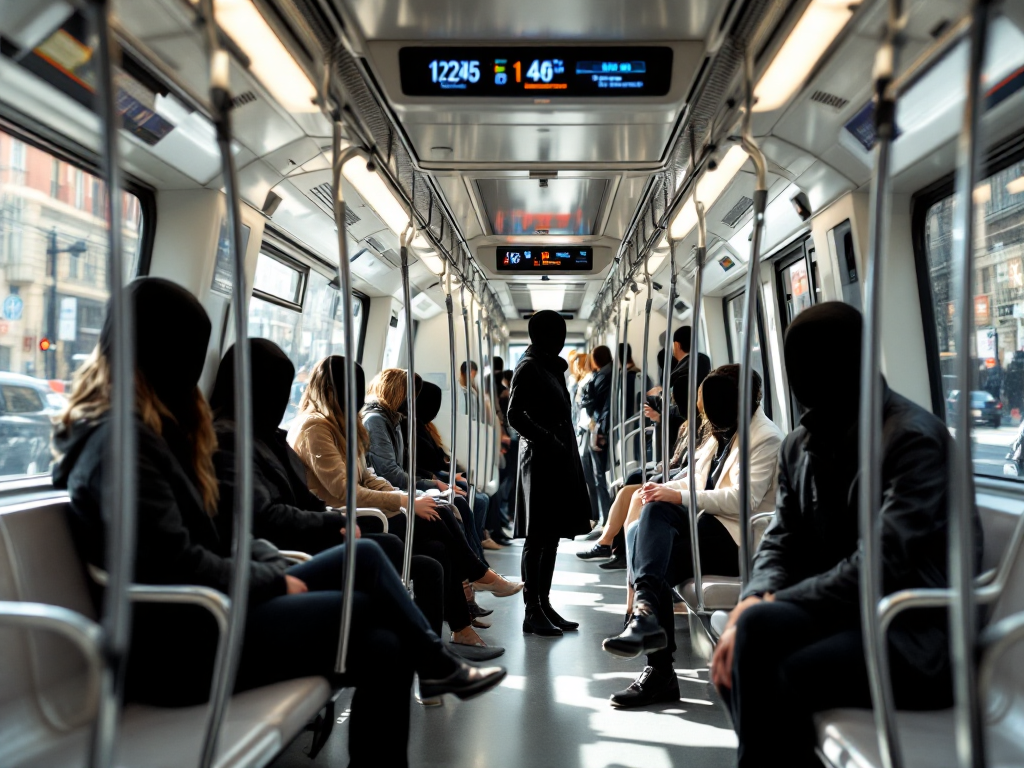
- Metro cars during rush hours—especially Line 3, which connects the port to the city center
- Las Ramblas itself—street performers and their "friends" work as teams
- Sagrada Familia queues—organized groups target people waiting to enter
- Crowded markets like La Boqueria
- Tourist hotspots like Plaça Reial
How to Protect Yourself:
- Wear a money belt under your clothing or a crossbody bag worn in front of your body, not behind your back
- Keep your real wallet with minimal cash ($20–30 equivalent) separate from your main money
- Leave your cruise ship ID card and passport in your cabin safe. Carry a photocopy instead
- On the metro, stand away from doors and hold your bags tight. Don't look drowsy or distracted
- Avoid Las Ramblas late in the evening—stick to daytime and move with purpose
- Keep your phone in an interior pocket, never a back pocket or visible in your hand
- Travel with at least one other person when possible—thieves target solo travelers
I've never been pickpocketed in Barcelona (knock on wood), but I've watched the professionals work. They're fast, coordinated, and genuinely skilled. Prevention is 100 times easier than dealing with a stolen passport while your ship departs.
Sagrada Familia: The Masterpiece Everyone Wants to See
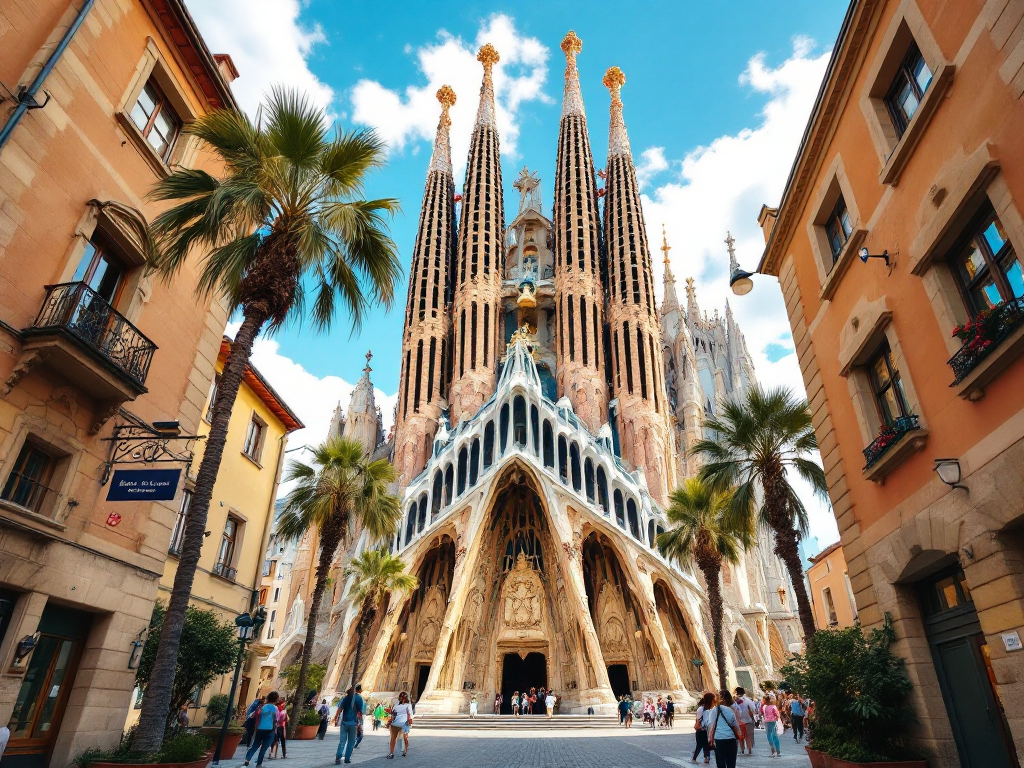
Gaudí's unfinished cathedral is the reason many cruisers visit Barcelona. It's stunning, spiritual, and absolutely worth your time—but logistics matter.
Getting There:
From the port, take the metro Line 3 from Drassanes → Passeig de Gràcia (5 minutes), then Line 2 one stop to Sagrada Familia station. Total journey: about 15 minutes. Cost: about €2.15 with your T-10 ticket.
Alternatively, grab a taxi directly from the port for €14–18.
Tickets and Entry:
Buy your ticket online before your cruise at sagradafamilia.org. In 2026, expect to pay €25–35 depending on what you include (basic entry vs. tower access vs. guided tour). This is non-negotiable—showing up without a ticket and expecting to enter is a fantasy.
Online tickets let you skip the enormous queue outside. I've seen lines of 500+ people in summer months, and cruise ship passengers can't afford that kind of wait.
How Much Time Do You Need?
- Basic visit (just inside the basilica): 45 minutes to 1 hour
- With a tower (Nativity or Passion side): 1.5 to 2 hours
- With a guided tour: 2 to 2.5 hours
If your ship leaves at 6 PM, plan to be back at the port by 4:30 PM at the absolute latest. That means leaving Sagrada Familia by 3 PM. The metro can get delayed, and you don't want to rush.
Inside the Cathedral:
The interior is breathtaking—soaring ceilings, colored light streaming through stained glass, and the sense that you're standing inside one man's 30-year obsession with geometry and faith. Audio guides are available and worth the extra €3–5. They explain Gaudí's symbolism and the ongoing construction (yes, it's still being built in 2026).
The Nativity Facade (northeast side) is more ornate and completed. The Passion Facade (southwest side) is starker and more controversial. Most cruisers prefer the Nativity side, but the Passion side offers fewer crowds.
The Crypt:
This is where Gaudí lived and worked. It's small, atmospheric, and shows his personal space. Definitely worth seeing if you have time.
Honest confession: On my third Barcelona visit, I skipped Sagrada Familia entirely and spent the day exploring the Gothic Quarter instead. Sometimes the crowds aren't worth it, and there's plenty of other Gaudí architecture (Park Güell, Casa Batlló, Casa Milà) scattered through the city. Don't feel obligated to hit this one box if it doesn't feel right for your day.
Other Must-See Attractions (That Aren't Sagrada Familia)
Park Güell
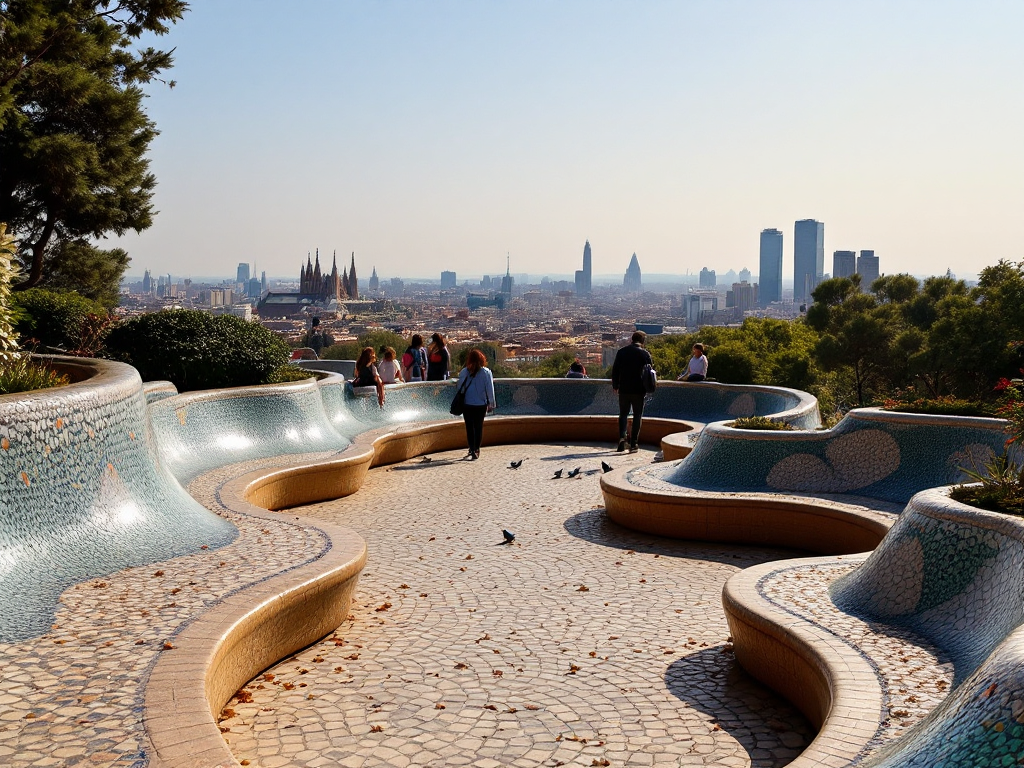
Another Gaudí masterpiece—a hilltop public park with mosaicked terraces, quirky pavilions, and panoramic city views. It's further from the port than Sagrada Familia (metro + funicular, about 30 minutes total), so it's better suited for a longer port day. Timed tickets are required (€10–15). The crowds are real, but honestly, the views make it worth it.
Gothic Quarter (Barri Gòtic)
Narrow medieval streets, hidden plazas, the Barcelona Cathedral, and excellent tapas bars. This is where I often spend my Barcelona port time—it feels like actual Barcelona, not a tourist trap. The metro drops you at Jaume I, and you can wander for hours without a plan. Zero entry fees.
La Boqueria Market
A sensory explosion of fresh produce, seafood, jamón, cheese, and local everything. Perfect for grabbing fresh fruit, tapas, or just experiencing Barcelona's food culture. Watch your bag, though—it's a pickpocket hotspot.
Plaça Reial
A stunning plaza off Las Ramblas with symmetric arcades and a central fountain. Beautiful to look at, but it's a tourist-trap area with overpriced restaurants. Grab a coffee, admire the architecture, and move on.
Food: Where Actually Good Meals Happen
Barcelona's food scene is world-class, but the tourist restaurants on Las Ramblas are overpriced and mediocre. Here's where locals (and smart cruisers) eat:
Tapas Bars in the Gothic Quarter: Order jamón ibérico, patatas bravas, croquetas, and alioli. Small plates, big flavors, €2–5 each. The experience is authentically Barcelona.
Seafood near the Port: If you eat near the old harbor, order grilled langoustines or gambas (shrimp). This is where Spain's fishing heritage lives.
Vermouth Bars: Vermouth is Barcelona's pre-dinner drink. A small glass costs €2–3, and it comes with olives and anchovies. It's a local ritual.
Bocadillos (Spanish Sandwiches): Cheap, filling, and authentic. A jamón bocadillo with a beer is basically the Barcelona working lunch.
Skip: Las Ramblas restaurants. Overpriced, mass-produced, slow service. I've never had a good meal there.
Currency, Language, and Practical Details
Barcelona uses the euro (€). One euro ≈ $1.08 USD in 2026, but exchange rates fluctuate. ATMs are everywhere. Spanish is the official language, but Catalan is spoken locally and preferred by many residents. English is widely spoken in tourist areas, but learning a few phrases ("Merci," "Por favor," "Gracias") goes a long way.
Public Restrooms: Pay toilets (€1–1.50) are at metro stations, parks, and restaurants. There's no such thing as free public restrooms in Barcelona—plan accordingly.
Sun and Heat: Barcelona in peak season (May–September) gets hot. Sunscreen, a hat, and water are non-negotiable. Many cruisers don't account for the heat and end up exhausted.
Time: Barcelona is on Central European Time (UTC+1), two hours ahead of London, six hours ahead of New York.
Final Honest Take
Barcelona is worth the effort. The architecture is genuinely transformative, the food is spectacular, and the Catalan culture is distinct and fascinating. But it requires more planning and caution than, say, docking in Cozumel. You'll benefit from buying metro tickets in advance, booking Sagrada Familia online, staying alert to theft, and having a rough itinerary.
Don't try to cram everything into one port day. Pick one or two major attractions (Sagrada Familia, Park Güell, or Gothic Quarter) and let the rest unfold. Some of my best Barcelona memories aren't from famous landmarks—they're from stumbling into a family-run tapas bar, ordering in broken Spanish, and eating alongside fishermen and office workers.
One more thing: if your ship is docking overnight, you're in luck. Sleep onboard, wake up early, and explore Barcelona without the cruise ship crowd. The city feels completely different when it's 7 AM and the metro is empty.
Share your Barcelona tips and experiences in our Europe Ports forum! What's your favorite hidden spot, best meal, or epic pickpocket close-call? Let's help other cruisers make the most of their Barcelona days.