

The Problem Nobody Talks About Openly
I've been on 40+ cruises, and I've watched this issue grow quietly year after year: able-bodied passengers booking accessible cabins because they're cheaper, larger, or just convenient—leaving guests who genuinely need them scrambling at embarkation.
Let me be direct: this is a real problem that affects real people with mobility challenges, visual impairments, hearing loss, and chronic conditions. But it's also complicated, because cruise lines designed the system to make this problem nearly inevitable.
Why Accessible Cabins Are So Tempting to Book (and That's the Real Issue)
Accessible staterooms on most cruise lines are cheaper than comparable regular cabins. You read that right. On Royal Caribbean's Oasis-class ships, an accessible inside cabin might run you $899 for a week sailing, while a standard inside cabin is $1,100+. On Carnival and Disney, the price gap is similar—sometimes $200-$400 cheaper per week.
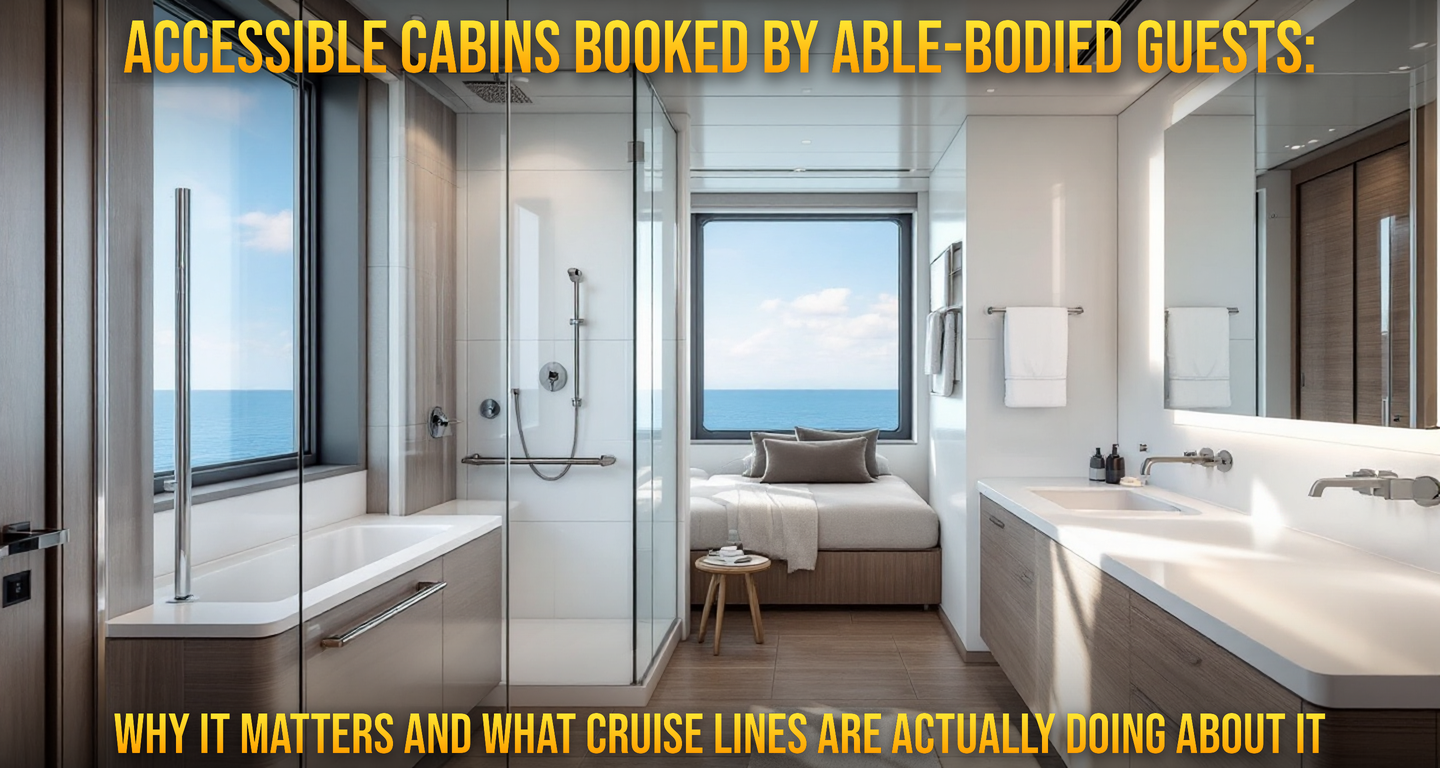
They're also significantly larger. An accessible cabin on Celebrity Cruises might be 300+ square feet with an accessible bathroom, roll-in shower, and grab bars throughout. A standard inside cabin? Around 170 square feet and claustrophobic by comparison.
Then there's the location advantage. Many accessible cabins are on midship decks with easier elevator access, away from noisy engine rooms and tender ports. For families traveling with kids or elderly parents, it's an upgrade at a discount.
The cruise line pricing strategy is the real culprit here. They've created perverse incentives. Instead of pricing accessible cabins fairly—recognizing their premium square footage and location value—they've underpriced them, assuming they'd have limited appeal. That assumption was wrong, and now their own pricing is driving the problem.
The Human Cost: What Happens When Someone Who Needs It Shows Up
Here's where theory meets reality, and it gets uncomfortable.
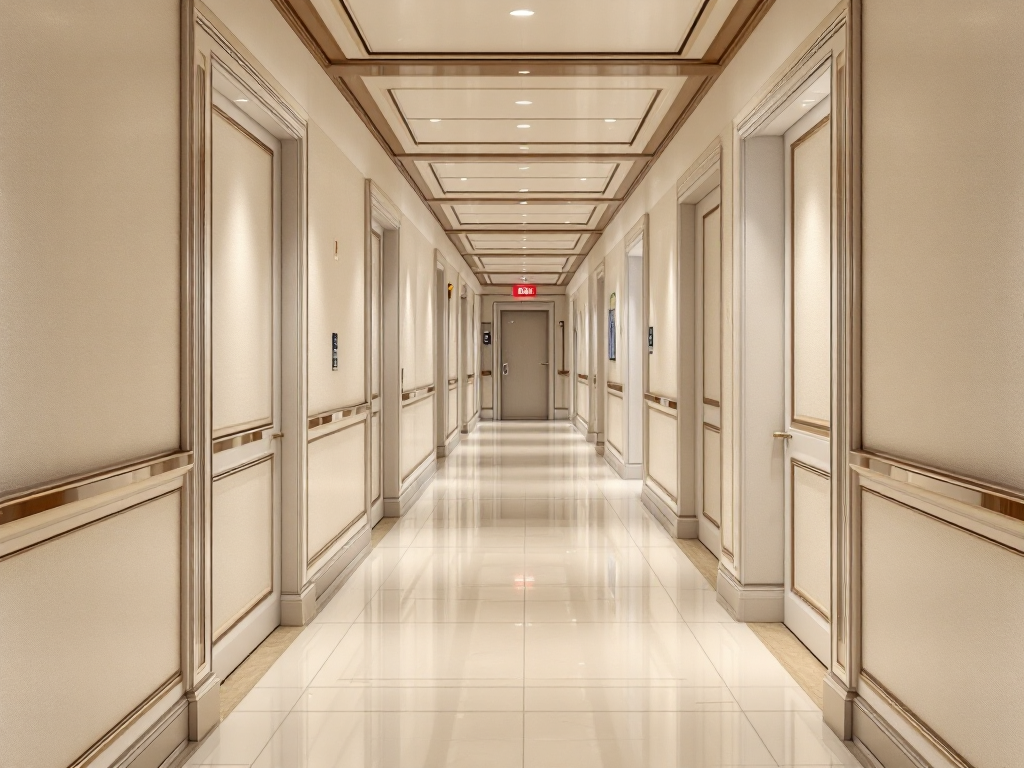
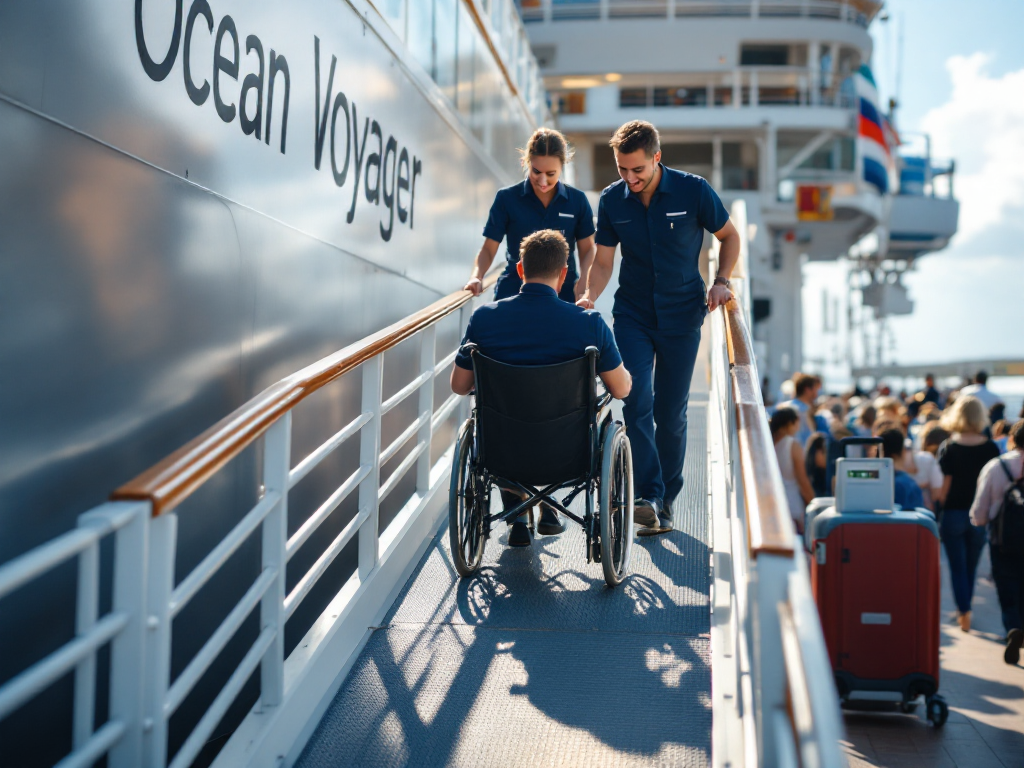
A guest in a wheelchair arrives at embarkation. The accessible cabins they booked are all occupied by a family of four with no accessibility needs. The cruise line offers alternatives: a cabin on a higher deck far from elevators, or a non-accessible cabin that's "similar." The guest spends their vacation in a cabin that wasn't designed for their needs—struggling with doorways, inaccessible bathrooms, poor sight lines to balconies.
Or worse: the cruise line oversells accessible inventory so aggressively (knowing some won't show up) that they literally run out. A hearing-impaired guest gets a cabin without a visual alert system for emergencies. A guest with mobility challenges gets stairs instead of ramps.
I've heard from multiple guests on our Health & Accessibility forum who've had these exact experiences. One family with a disabled child spent their vacation fighting for a cabin that was supposed to be theirs from day one. Another guest with chronic pain couldn't use the cabin they booked because the layout wasn't actually accessible despite being listed as such.
What Cruise Lines Are Actually Doing (And Not Doing)
The honest answer: very little, inconsistently.
- Royal Caribbean — RCL requires detailed information about accessibility needs at booking (good intention), but they don't strictly police occupancy. If you book accessible and show up without accessibility needs, they'll generally let you stay. No real enforcement.
- Carnival — Carnival Cruise Line asks disability status questions but relies largely on honor system. They've added notation to some bookings but don't have systematic overbooking controls.
- Disney Cruise Line — DCL has tighter controls and actually reviews reservations, but even they can't prevent 100% of misuse, and their accessible cabin inventory is limited on some ships.
- Norwegian Cruise Line — Norwegian has started asking more probing questions about specific accessibility needs, which is better. They're edging toward actual verification.
- Celebrity Cruises — Celebrity requires medical certification on some bookings, one of the few lines actually enforcing restrictions.
- Princess Cruises — Princess has inconsistent practices across their fleet; some ships enforce better than others.
None of the major cruise lines have universal, strict verification requirements at booking. Most rely on declarations of honor. Some verify only if you've requested specific accessibility equipment (service animal documentation, mobility devices, etc.). And almost none will deny a reservation retroactively if someone books falsely.
The Overbooking Problem Cruise Lines Don't Admit
Here's something cruise lines absolutely will not discuss publicly: they intentionally overbook accessible cabins.
Based on historical no-show data (which cruise lines absolutely track), they book more accessible cabins than they actually have, expecting a percentage won't materialize. This works fine statistically—until it doesn't. One year you're at 95% occupancy with healthy no-shows. The next year, a disability travel organization plans a group cruise, and suddenly you have 15 guests with genuine accessibility needs showing up for 8 cabins.
No-shows happen, sure. Some bookings do cancel. But when they overbook aggressively and then don't have inventory? Real guests with real needs lose out.
What Would Actually Fix This (And Why Cruise Lines Resist)
Option 1: Price Accessible Cabins Fairly
Stop underpricing them. An accessible cabin is larger, better-located, and premium real estate. Price it like one. At market rates, only guests who actually need the space book them. The price problem vanishes. But cruise lines worry this reduces occupancy and hurts their numbers, so they resist.
Option 2: Require Verification at Booking
Ask specific questions about accessibility needs. Do you need a roll-in shower? Grab bars? Visual alert systems? Accessible parking nearby? Require declarations under penalty of cancellation fees. Celebrity does this partially. It works. But most cruise lines say verification is "invasive" and don't want the operational hassle.
Option 3: Non-Refundable Accessible Cabin Policies
Make accessible cabin bookings non-refundable or heavily penalized if canceled. Suddenly overbooking becomes less attractive because no-shows drop. One cruise line actually trialed this with mixed results—it did reduce overbooking but also discouraged some legitimate accessible bookings from price-sensitive guests with disabilities.
Option 4: Stop the Underpricing
This is the simplest fix and the one most cruise lines will eventually have to do. Price accessible cabins at their true value: comparable square footage, midship location, and premium amenities. Yes, fewer people will book them. But those who do will actually need them.
What You Should Do If You're an Able-Bodied Traveler
Don't book an accessible cabin unless you have a genuine accessibility need. I know the price is tempting. I know the space is great. But you're potentially taking a cabin from someone who needs it medically.
If you're traveling with elderly parents or someone with mobility challenges, that counts. If you're traveling with a young child and just want the extra square footage? That doesn't count.
When you book, be honest about why you're selecting an accessible cabin. Some cruise lines are now flagging bookings where the passenger profile doesn't match the cabin type, and they're starting to ask follow-up questions.
What You Should Do If You Have Accessibility Needs
- Book early — Don't wait. Book 6-9 months in advance if possible. More inventory, better selection, fewer conflicts.
- Provide detailed information — When you book through a cruise line directly (or through our AI concierge at CruiseVoices, which can coordinate accessibility requests), don't just check "accessible cabin." Specify what you need: roll-in shower, grab bars, accessible parking, service animal, hearing loop systems, visual alert systems. Documentation matters.
- Request confirmation — Get written confirmation of your specific accessibility features, not just "accessible cabin." Many cruise lines will email photos or detailed specs of your assigned cabin before sailing. Request this.
- Call the cruise line accessibility department directly — Don't just rely on your travel agent. Call Royal Caribbean, Carnival, or Disney directly 2-3 weeks before sailing. Confirm your cabin number, specific features, and any special needs. This creates a paper trail.
- Arrive early — Get to embarkation early on your sailing date. If there's any issue, you have time to resolve it before the ship leaves.
And absolutely, join our Health & Accessibility forum before you book. Real guests share real experiences. You'll learn which ships have genuinely accessible cabins, which lines are problematic, and which have solved this better than others.
The Bottom Line: This Problem Exists Because Cruise Lines Created It
Accessible cabin overbooking and misuse isn't random or accidental. It's systemic, driven by pricing strategies and operational philosophy that treat accessible cabins as capacity problems instead of genuine accessibility solutions.
Some cruise lines are moving in the right direction. Celebrity's verification requirements, Norwegian's more detailed needs questions, and Disney's tighter controls show the industry can do better. But it requires them to:
- Price accessible cabins fairly (which means higher prices)
- Verify accessibility needs at booking (which means more work)
- Stop overbooking (which means lower occupancy numbers)
None of these are profitable moves. So progress will be slow.
In the meantime, if you're able-bodied and tempted by a cheap accessible cabin, resist. If you have genuine accessibility needs, book early, be specific, and verify everything. And if you've experienced this issue firsthand—either as someone denied an accessible cabin or as someone who saw the problem firsthand—share your story in our Health & Accessibility community. Real experiences drive real change.
I'll be watching what cruise lines do about this in 2026. And I'll be honest about who's actually solving it and who's ignoring it.