

Chloe_Banks
Moderator
The Stuff Nobody Talks About Until They Wish They Had
After 40+ cruises, I've learned that the difference between a great trip and a frustrating one isn't always about what you pack—it's about what you don't pack that you suddenly desperately need at sea. Sure, everyone knows to bring sunscreen and formal wear. But there are some genuinely unusual items that have quietly saved my vacation more times than I can count. And honestly? Most cruisers never think to pack them.

Let me walk you through the unexpected heroes that should be on your packing list—and why each one matters more than you'd think.
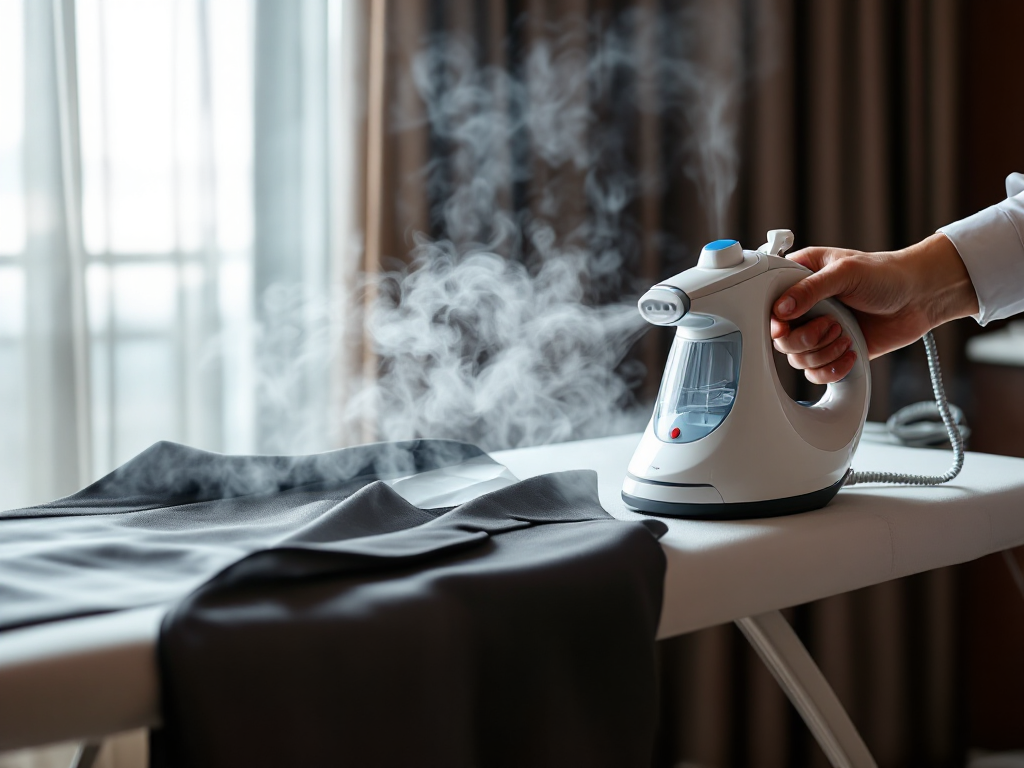
1. A Handheld Garment Steamer (Not Just An Iron)
Here's the thing about ship cabins: they're tiny, and your "formal night" outfit is probably wrinkled to oblivion after being vacuum-packed in your suitcase. Sure, most ships have irons, but they're slow, they're clunky, and you have to wait for them. Plus, on busy formal nights, getting one can feel like winning the lottery.
A handheld garment steamer changes everything. Brands like Rowenta or even budget-friendly options from Amazon (around $30-50) are small enough to fit in a carry-on corner. In 2026, these steamers work with dual voltage—just bring a plug adapter—and they'll have your dress or jacket looking sharp in literally two minutes. I keep mine running while I'm doing my hair, and it's honestly one of my best-kept cruise secrets.
Insider tip: Steamers also work great on wrinkled linen pants and polo shirts, not just fancy stuff. You'll use this thing constantly.
Share your cabin setup hacks in our packing essentials forum!
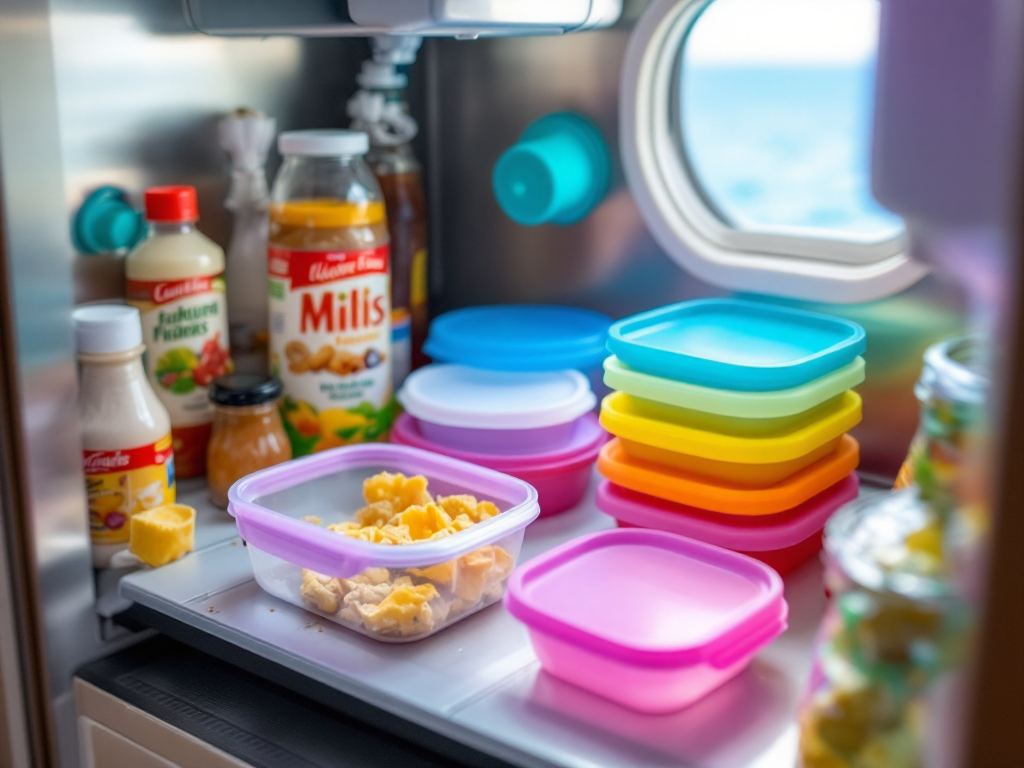
2. A Reusable Silicone Lid (The Food Saver Hack)
Let's be real: you're going to hit the buffet, grab a late-night pizza from the poolside, or score some leftovers from specialty dining. But cruise ship cabins don't come with plastic wrap, foil, or proper food storage solutions. And those tiny minifridge shelves? They fill up fast.
Reusable silicone lids (like Stretch Lids or Silicone Stretch Covers—around $15-20 for a set) are game-changers. They fit over bowls, plates, and cups, seal tightly, and let your food breathe so it doesn't get that weird stale taste. I bring a set of three in different sizes, and they save me from wasting food and from running to grab a snack later.
Real-world example: On a recent Carnival Celebration sailing, I grabbed muffins at breakfast to eat later. With a silicone lid, they stayed fresh in my minifridge for two days. Without one? They'd have been rock-hard.
Bonus: These lids also work as plate covers if you're avoiding spills while walking the corridor back to your cabin—helpful on rough sea days.
3. A Non-Electric Earplugs System (Moldable Wax or Foam Variety)
You'd think noise wouldn't be a cruise ship problem, but here's what veteran cruisers know: shared cabin walls are thin. Your neighbor's shower at 6 AM? The vibration from the nightclub below? The thump of the fitness center above? All very real.
I'm not talking about basic foam earplugs—those fall out and get uncomfortable. I'm talking about moldable silicone or wax-based earplugs (like Mack's Pillow Soft or Quies) that you mold to your ear shape. They actually stay in, they block serious noise (we're talking 20+ decibels), and they don't feel like you have stuff jammed in your ears.
I bring two sets—one backup—and they've literally saved entire nights of sleep on sea days when I wasn't sailing from my home port.
Important note: Don't rely on over-the-ear noise-canceling headphones on a cruise. They're bulky, they encourage you to stay plugged in instead of enjoying the ship, and honestly, they're overkill for what you actually need.
4. A Small Dry Bag or Ziplock Variety Pack (Seriously—Multiple Sizes)
Water bottles burst. Sunscreen leaks. That souvenir rum you bought in Cozumel starts weeping halfway through the flight home. Your phone gets hit by a wave at the beach club. Your medications get humidity damage. Your hair products saturate your entire suitcase.
Instead of hoping nothing goes wrong, bring a variety pack of high-quality ziplock bags and a small dry bag. I'm talking gallon-size, quart-size, and sandwich-size. They weigh almost nothing, take up barely any room, and solve SO many problems.
Use them for:
- Leaking toiletries separated from clothes
- Electronics protection in wet environments
- Keeping medications moisture-free
- Storing opened food to prevent cabin smells
- Protecting souvenirs during travel
- Organizing small items in your tiny cabin drawers
Yes, the ship sells ziplock bags if you're desperate. They cost about $8 for a tiny box. Just bring them from home.
5. A Small First Aid Kit Beyond The Basics[/B] (Specifically: Antacid Tablets, Hydrocortisone Cream, and Blister Pads)
Ship medical centers are great, but they're not exactly convenient at 2 AM when your stomach is upset from trying that new specialty restaurant, or when you get a weird rash from the salt water, or when you've been exploring ports in borrowed shoes and your feet are screaming.
I keep a small ziplock of personal essentials:
- Antacid tablets (Tums, Rolaids, or the generic equivalent)—buffet food is rich, and your stomach knows it
- Blister pads and good bandages (Moleskin, Blister Block)—port exploration equals unexpected foot pain
- Hydrocortisone cream 1%—for weird rashes, minor skin irritation, or sun-related itching
- Anti-diarrheal medication (Imodium)—because honestly, traveler's stomach is real
- Antihistamine cream (for bug bites at ports)
I also bring my own pain reliever (ibuprofen or acetaminophen) because the ship's price markup is wild, and prescription-strength antacids if I know I have a history of issues.
The reality: Ship infirmaries charge consultation fees ($150-300) plus medication costs. A $12 first aid kit you assemble at home prevents those charges completely.

Bonus Item: A Lightweight Microfiber Travel Towel
Okay, this isn't exactly "weird," but most people don't think about it. Cruise ship towels are provided, yes—but they're often rough, and if you're doing water sports, beach club days, or going straight from your cabin to dinner, you'll want an extra absorbent layer.
A microfiber travel towel (REI, Amazon, around $15-25) is ultra-compact, dries fast, and packs down to literally the size of a soda can. I use mine for beach days, gym sessions, and even as a lightweight shawl at casual dinners when the ship is cold.

Pack Smart, Cruise Smarter
The best cruisers aren't the ones with the most luggage—they're the ones who thought about what might go wrong and packed one smart solution for each potential problem. These five items take up minimal space and zero weight, but they solve real issues that 90% of cruisers don't anticipate until they're already at sea.
When you're planning your next cruise and thinking about what to pack, grab a garment steamer, silicone lids, quality earplugs, a variety of ziplock bags, and a targeted first aid kit. Your future self will be incredibly grateful.
Head to our packing lists and essentials forum to share your own unusual cruise packing discoveries—I bet you've got some gems the rest of us haven't discovered yet!